Nepal's Tigers Triple Since 2009 Despite Growing Conflicts
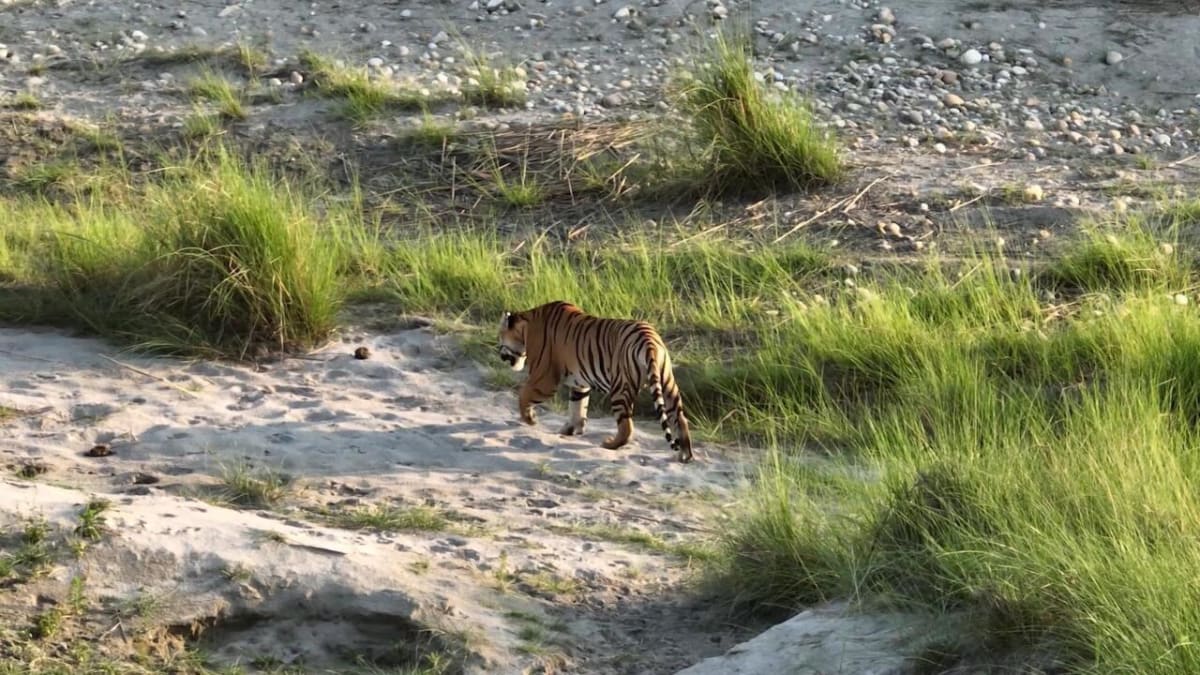
Nepal's Bengal tiger population has soared from 121 to 355 in just 13 years, a conservation win that comes with new challenges. The government is now planning a 124-acre park to house tigers involved in human conflicts, moving them from cramped cages to natural habitats.
Nepal just proved that saving endangered species is possible, even when things get complicated.
The country's Bengal tiger population has nearly tripled since 2009, jumping from 121 to 355 tigers in 2022. It's one of the most dramatic conservation comebacks for these endangered big cats, showing that protection efforts actually work.
But success brings its own challenges. As tiger numbers grow, so do encounters with humans living near their habitat. Between 2019 and 2023, 38 people died in tiger attacks, and authorities captured 15 tigers involved in these conflicts.
Right now, those captured tigers sit in temporary holding centers that cost about $10,000 per tiger each year to maintain. The animals live in cramped cages with minimal space to move, far from the tall grass and open areas they'd roam in the wild.
The government's solution is a proposed 50-hectare park near Chitwan National Park specifically for these "problem" tigers. Unlike the current holding centers, the facility would give the animals room to roam and hide in natural vegetation while keeping communities safe.
The park would fund itself through tourism revenue from ticket sales, covering food and veterinary care without draining government budgets. It's a model that treats conservation as sustainable rather than just an expense.
Research shows only a tiny fraction of Nepal's tigers come into conflict with people. A 2017 study found fewer than 5% of tigers caught on camera traps were involved in conflicts. These are typically tigers without territories or physically impaired animals that can't hunt wild prey and turn to easier targets like livestock.
The Bright Side: Nepal's tiger recovery shows that conservation goals aren't impossible dreams. When countries commit to protecting endangered species, populations can bounce back even in densely populated areas. The challenge now is figuring out how humans and wildlife share space as conservation succeeds.
The proposal faces criticism from some experts who worry about relying on tourism money after COVID showed how vulnerable that funding can be. Others question whether keeping tigers in semi-captive conditions, even with more space, truly solves the problem or just moves it elsewhere.
Still, the conversation itself marks progress: Nepal is wrestling with how to manage conservation success, not failure.
More Images


Based on reporting by Mongabay
This story was written by BrightWire based on verified news reports.
Spread the positivity!
Share this good news with someone who needs it