Electric Fences Help Elephants and Farmers Share Zambia Land
Bright orange electric wires are solving a decade-old challenge in Zambia, letting elephants safely cross farmland while protecting crops from hungry herds. The simple solution is creating peace between people and wildlife in an area where both once struggled to survive together.
Two thin strands of orange wire are transforming life for farmers and elephants along the Zambia-Malawi border, proving that wildlife and people can share the same space.
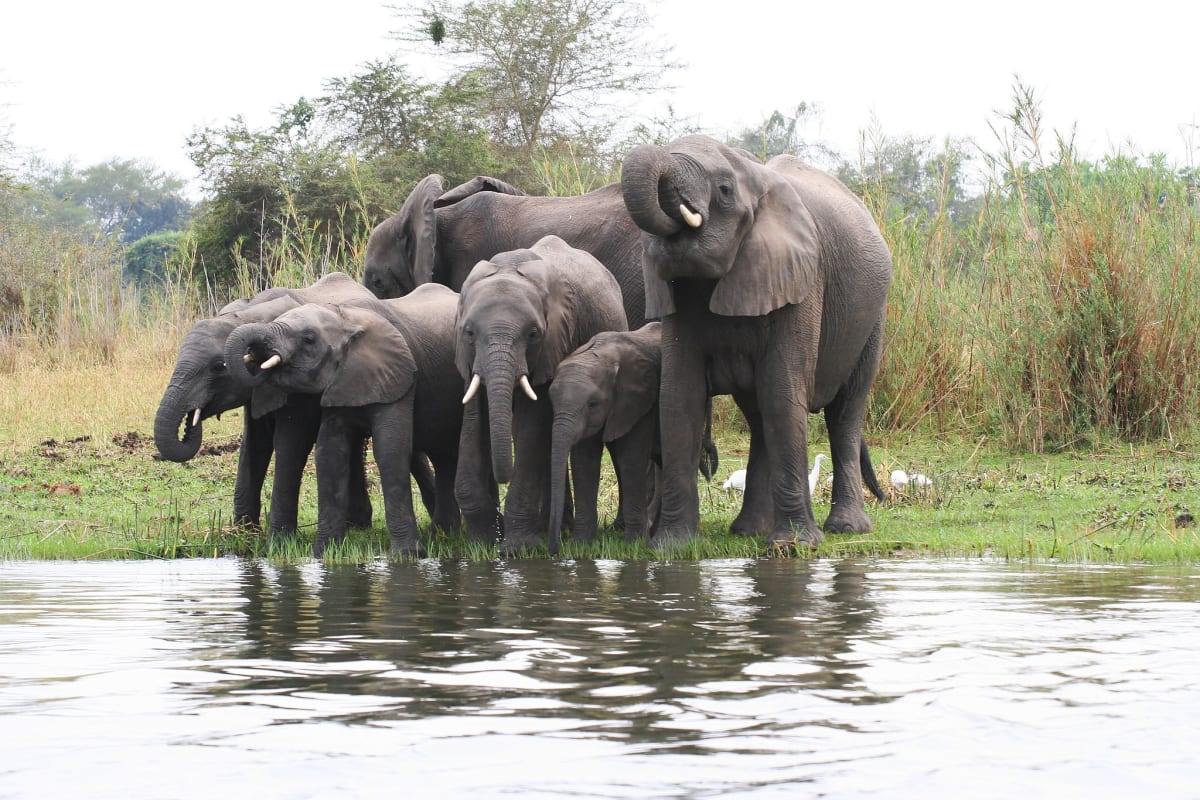
Esnart Banda's maize and tobacco fields sit just 16 feet from Malawi's Kasungu National Park, home to roaming elephant herds. Until recently, the elephants regularly trampled her crops on their journey to feeding grounds in Zambia's Lukusuzi National Park.
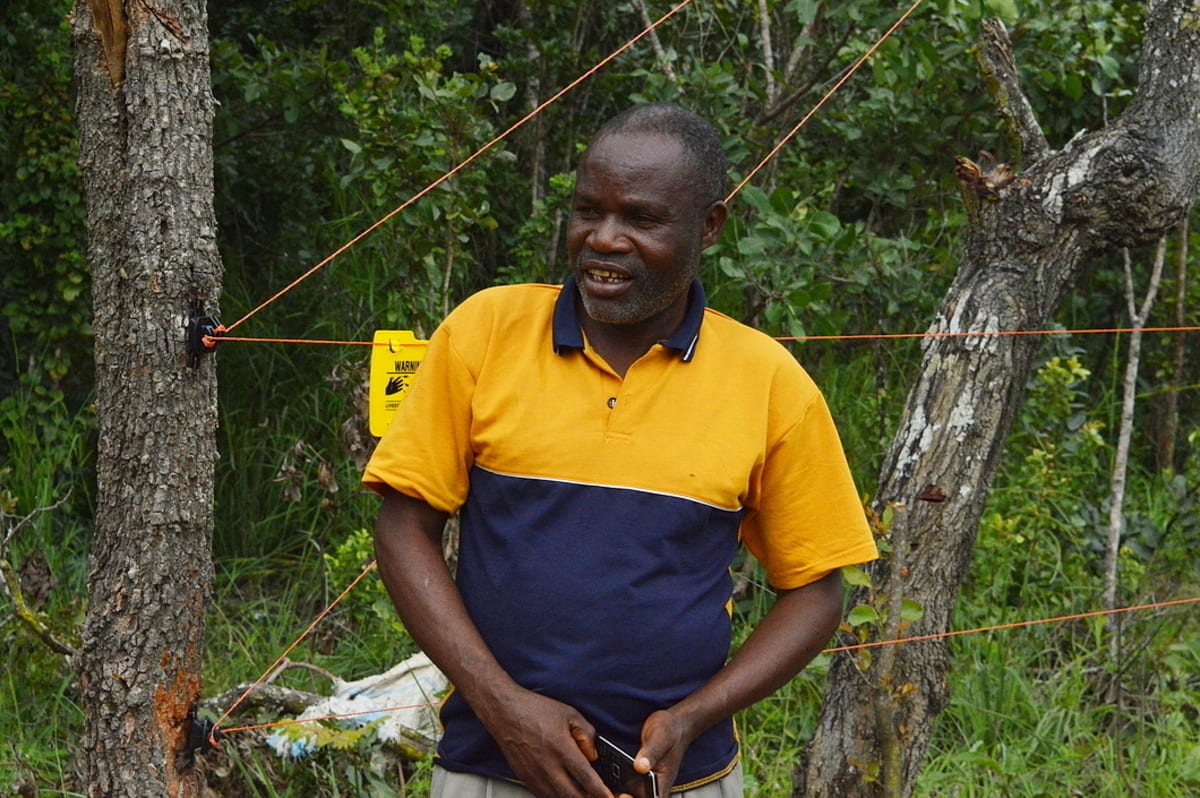
Now, electric polywire fencing surrounds her farm and those of her neighbors. The wires carry powerful pulses of electricity powered by solar batteries, creating an invisible barrier that elephants quickly learn to avoid.
"It's strong, it helps us," Banda says. Farmers report seeing elephant footprints circling their crops, tracing the bright orange lines, but never breaking through.
Neighbor Harry Msimuko powers nearly 4 miles of fencing from two solar batteries in his living room. The wire protects not just his crops but those of 19 neighboring families. The only recent trouble has come from hyenas, he says, while the elephants now keep their distance.
The fencing is part of a larger effort by conservation group IFAW and Zambia's Department of National Parks and Wildlife to connect protected areas. Eleven years ago, Malawi and Zambia signed a treaty creating a transfrontier conservation area, allowing wildlife to move freely between parks across the border.
But elephants must cross populated farmland to make that journey. Traditional solutions like relocating farmers aren't realistic, says Chieftainess Letesiya Phiri. "To say 'Move, so that the animals can pass through,' they will come to me asking for alternative land. I don't have any more land for them to be given."
The conservation team also tracks satellite-collared elephant herds to warn farmers of approaching animals. Radio programs let farmers share experiences and learn how to safely coexist with wildlife.
The Ripple Effect
The success of these electric fences shows how simple technology can solve complex conservation challenges. Instead of choosing between protecting elephants or supporting farmers, the project proves both goals can advance together.
The approach creates wildlife corridors without displacing communities. It gives elephants safe passage to 1,050 square miles of protected woodland while securing food sources for farming families.
Challenges remain as the human population grows and more forest gets cleared for farmland. But for now, farmers and elephants are finding ways to share the landscape, one electrified wire at a time.
More Images


Based on reporting by Mongabay
This story was written by BrightWire based on verified news reports.
Spread the positivity!
Share this good news with someone who needs it