Malawi Farmers Turn Crisis Into Soil Revolution
When fertilizer prices spiked and shipping routes became uncertain, Malawi's farming experts saw something unexpected: a chance to rebuild healthier soil and reduce dependence on expensive imports. The country just launched a 10-year plan to restore fertility and help millions of small farmers grow more food sustainably.
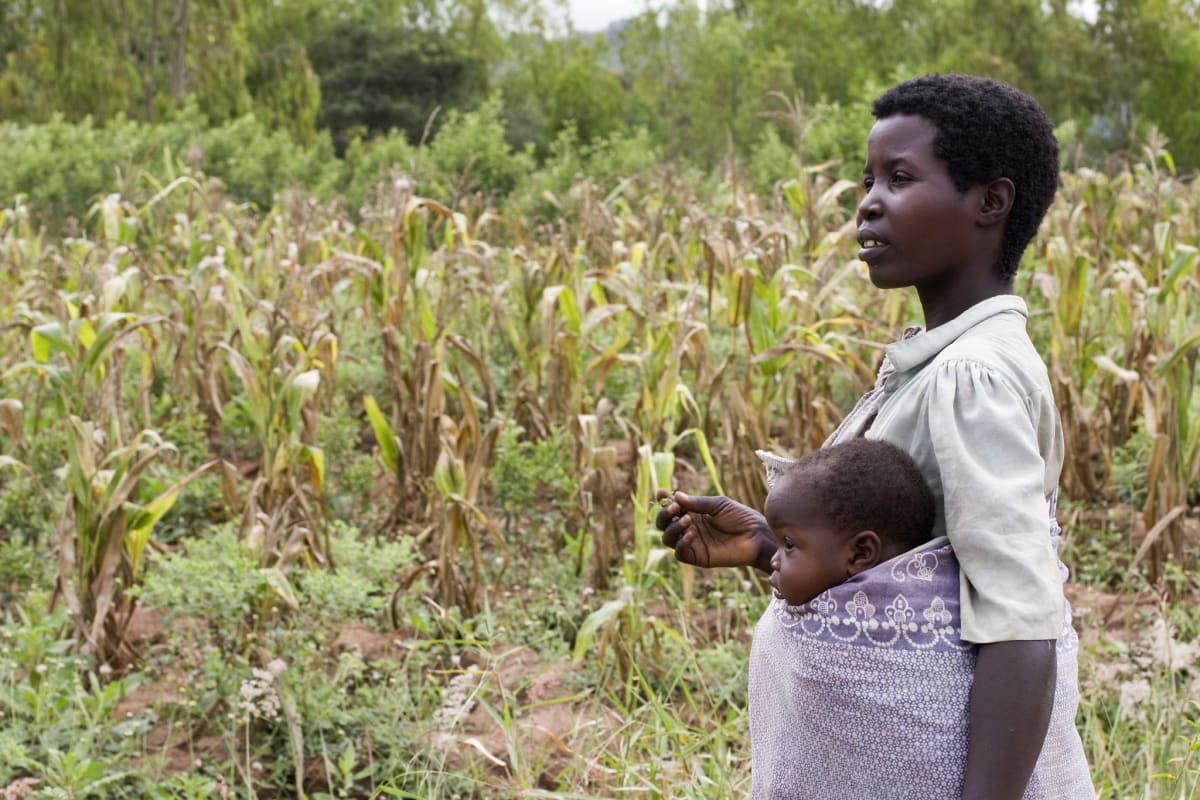
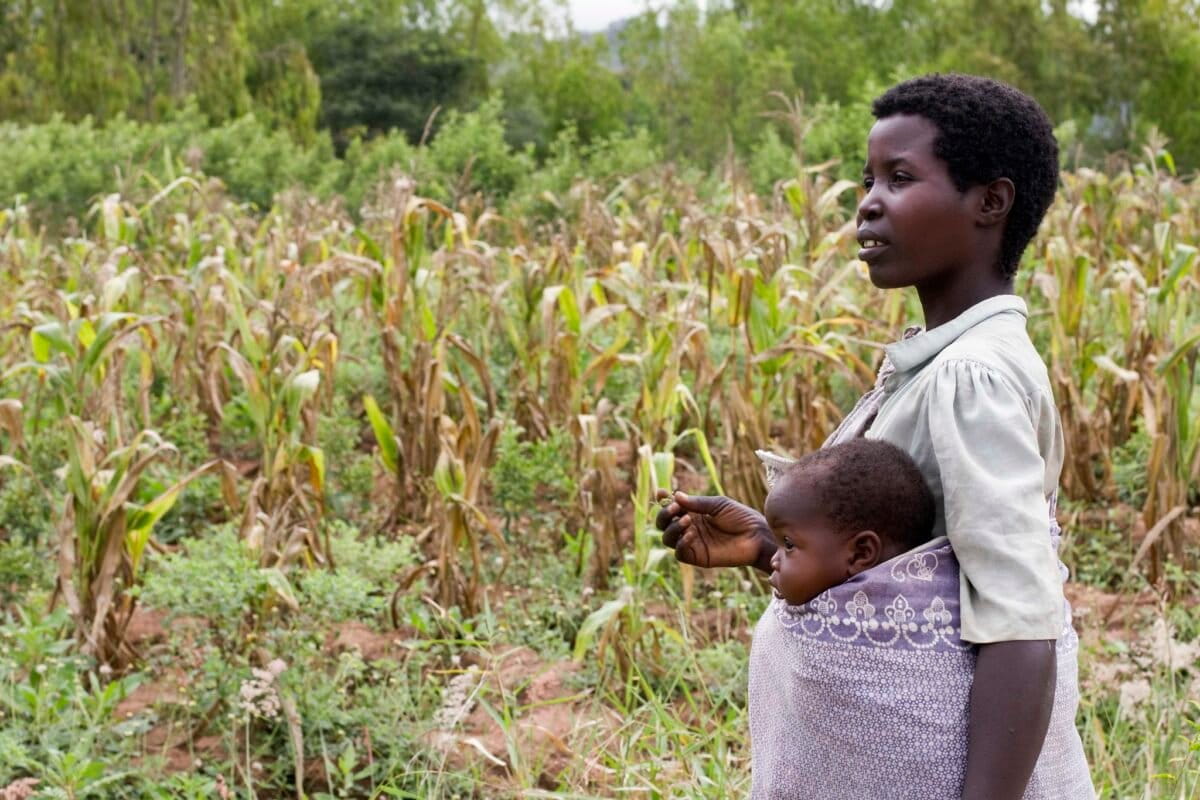
James Singano swings his hoe through the morning mist, clearing land he's farmed for 21 years, watching it produce less each season despite more fertilizer. He's one of 4 million small farmers in Malawi who grow 80% of the nation's maize on tiny plots, struggling as soil loses its natural fertility and fertilizer costs climb beyond reach.
A 50-kilogram bag of urea fertilizer jumped from $96 to $103 in recent months, with prices expected to rise further. Tensions in the Middle East threaten shipping through the Strait of Hormuz, where much of the world's fertilizer passes on its way to countries like Malawi, which imports over 90% of the 400,000 tons it uses annually.
But agricultural experts see opportunity in the uncertainty. Agroecologists across Malawi are advocating for a shift toward manure, compost, and crop diversification strategies that worked for generations before synthetic fertilizers became the norm.
The timing aligns with Malawi's launch of a comprehensive 10-year soil health plan in August 2025. The initiative aims to reverse decades of degradation that cost the country 2.3 million tons of maize annually, addressing problems caused by acidification, floods, droughts, and overreliance on chemical inputs.
Over 40% of Malawi's soils have lost productivity due to poor farming practices, according to research from the MwAPATA Institute. Farmers like Singano remember when their parents grew abundant crops without fertilizer on the same land that now struggles even with chemical help.
The Bright Side
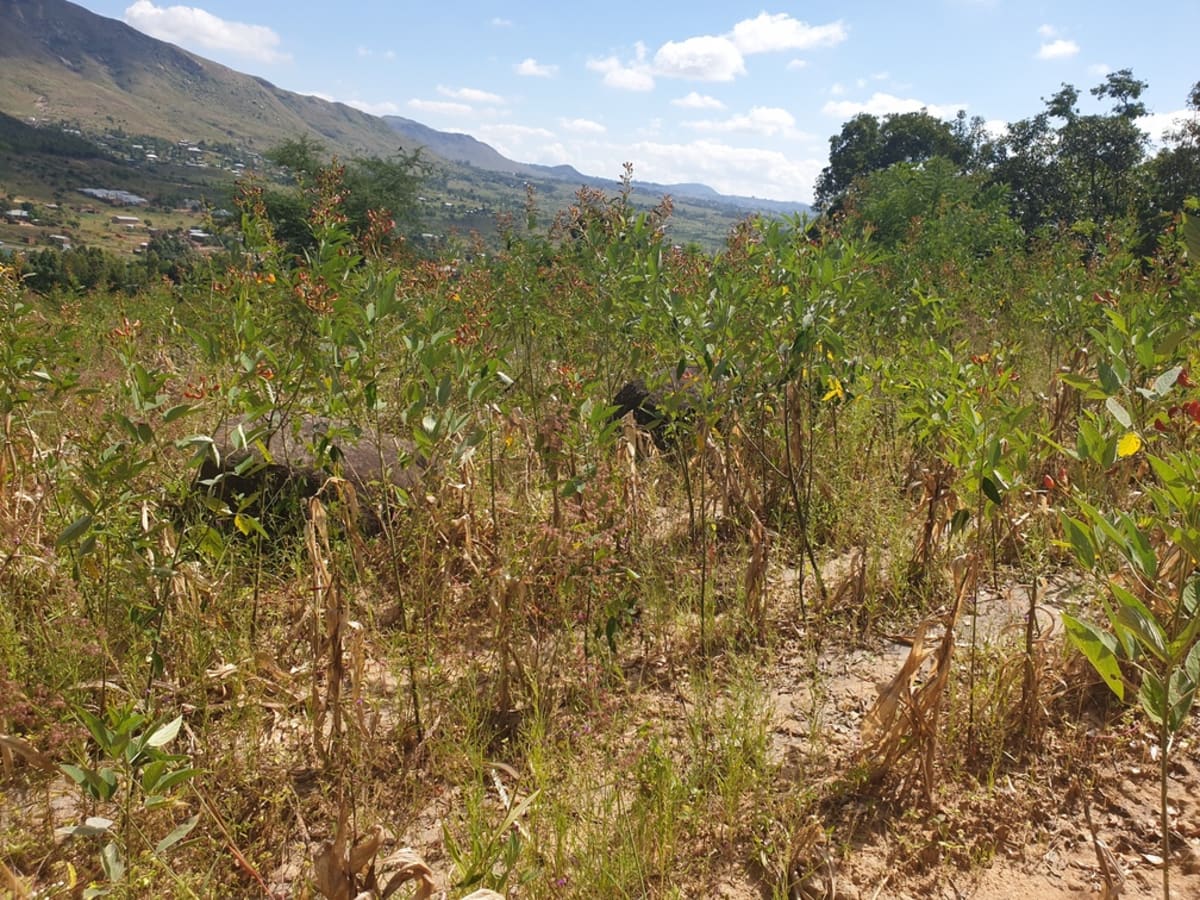
The crisis is pushing innovation that could strengthen food security for the long term. Nitrogen-fixing trees are already improving harvests in some districts, showing farmers that alternatives can work.
The Farmers Union of Malawi, representing over a million farmers, is working with the Fertilizer Association to balance immediate needs with sustainable solutions. While synthetic fertilizers remain important during the transition, the focus is shifting toward soil health that doesn't depend on unpredictable global supply chains.
Food systems researchers note that building soil fertility through organic methods reduces vulnerability to price shocks and geopolitical disruptions. The approach takes time but creates resilience that imported chemicals never could.
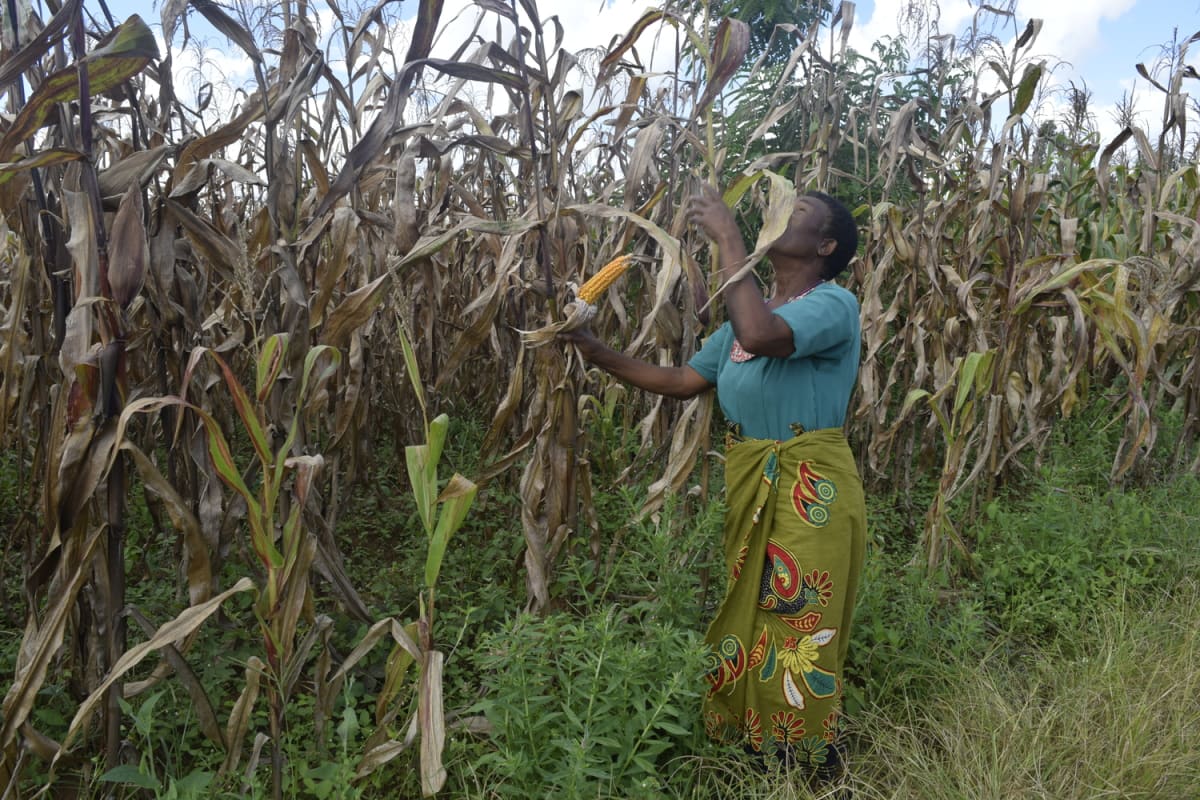
Singano continues preparing his field, intercropping maize with pigeon peas, a practice that adds nitrogen to soil naturally. His harvest may be modest this year, but the ground beneath his feet is learning to feed itself again.
Malawi's small farmers are discovering that sometimes the best path forward leads back to wisdom their grandparents knew all along.
More Images

Based on reporting by Mongabay
This story was written by BrightWire based on verified news reports.
Spread the positivity!
Share this good news with someone who needs it