Brazilian Family Turns Seaweed into Restaurant Success
A traditional fishing family in Brazil transformed a struggling livelihood into a thriving seaweed restaurant after fish stocks declined. Their venture is now empowering women, teaching visitors about ocean health, and proving sustainable farming can taste delicious.
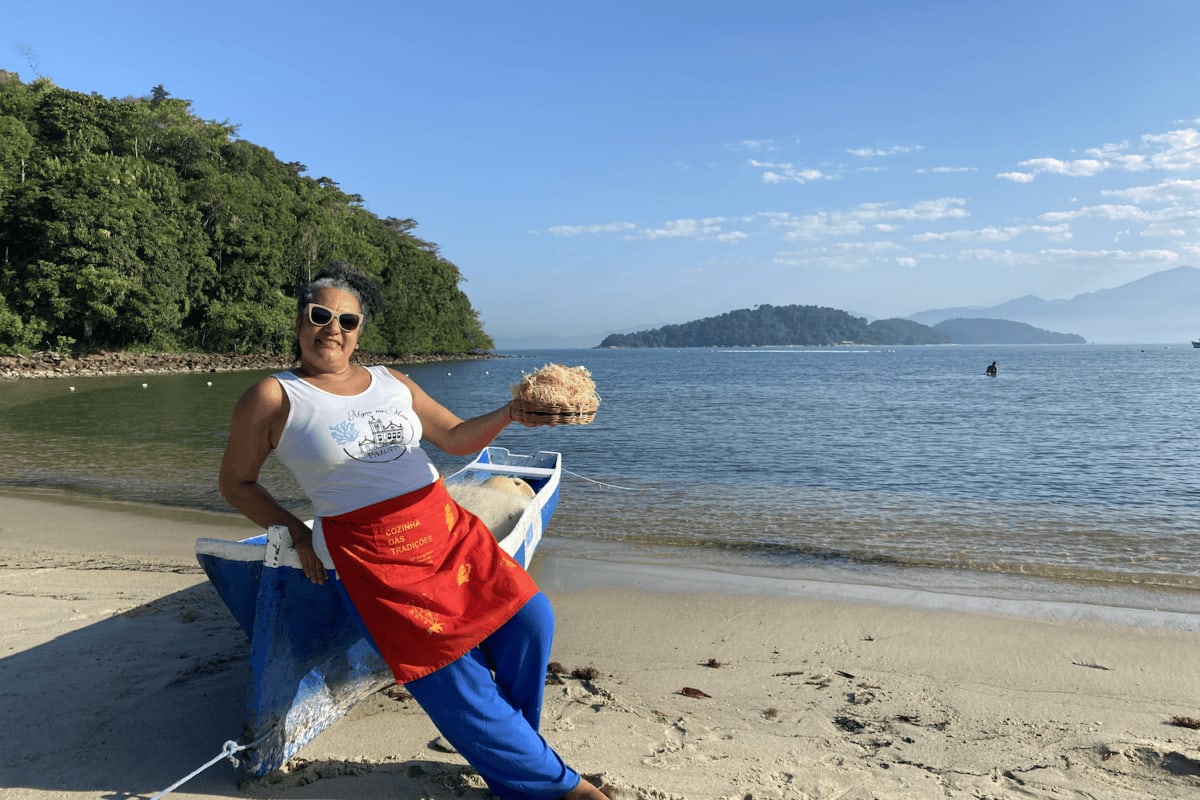
When fishing became harder and harder in Paraty, Brazil, Aparecida Rosa Ayres found an unexpected solution growing right in the ocean around her.
The 47-year-old Caiçara woman took a university course in 2021 about seaweed farming and saw a lifeline for her family. Her husband was traveling farther each day to catch fewer fish, and they needed another source of income.
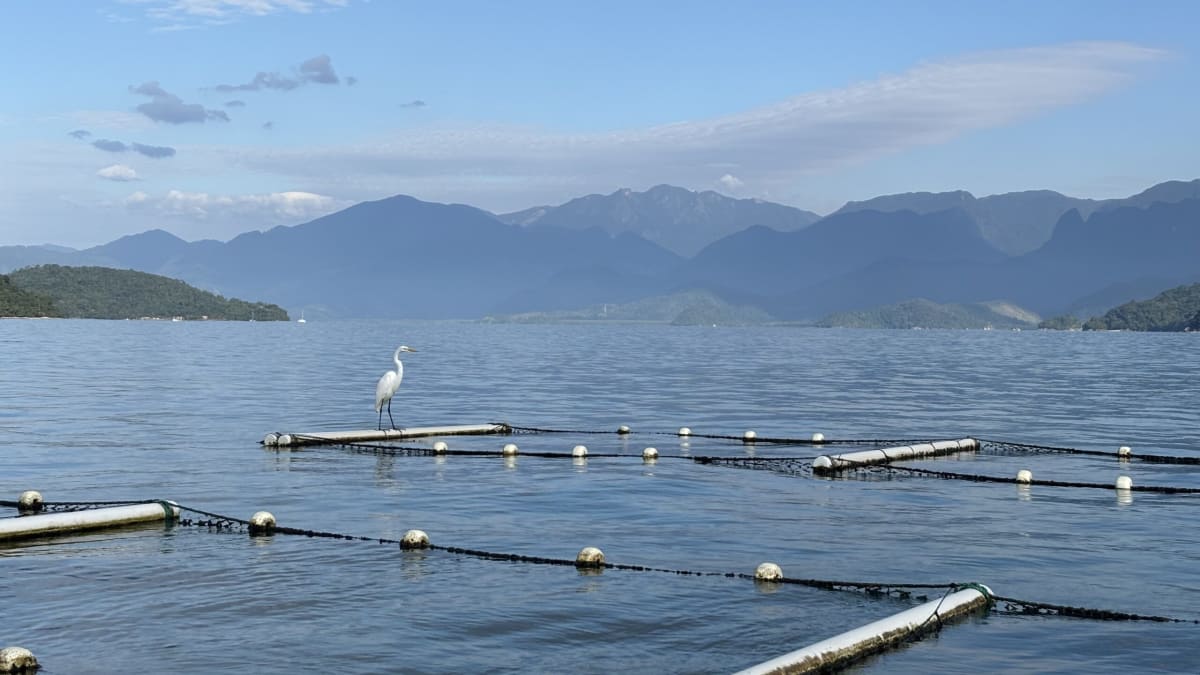
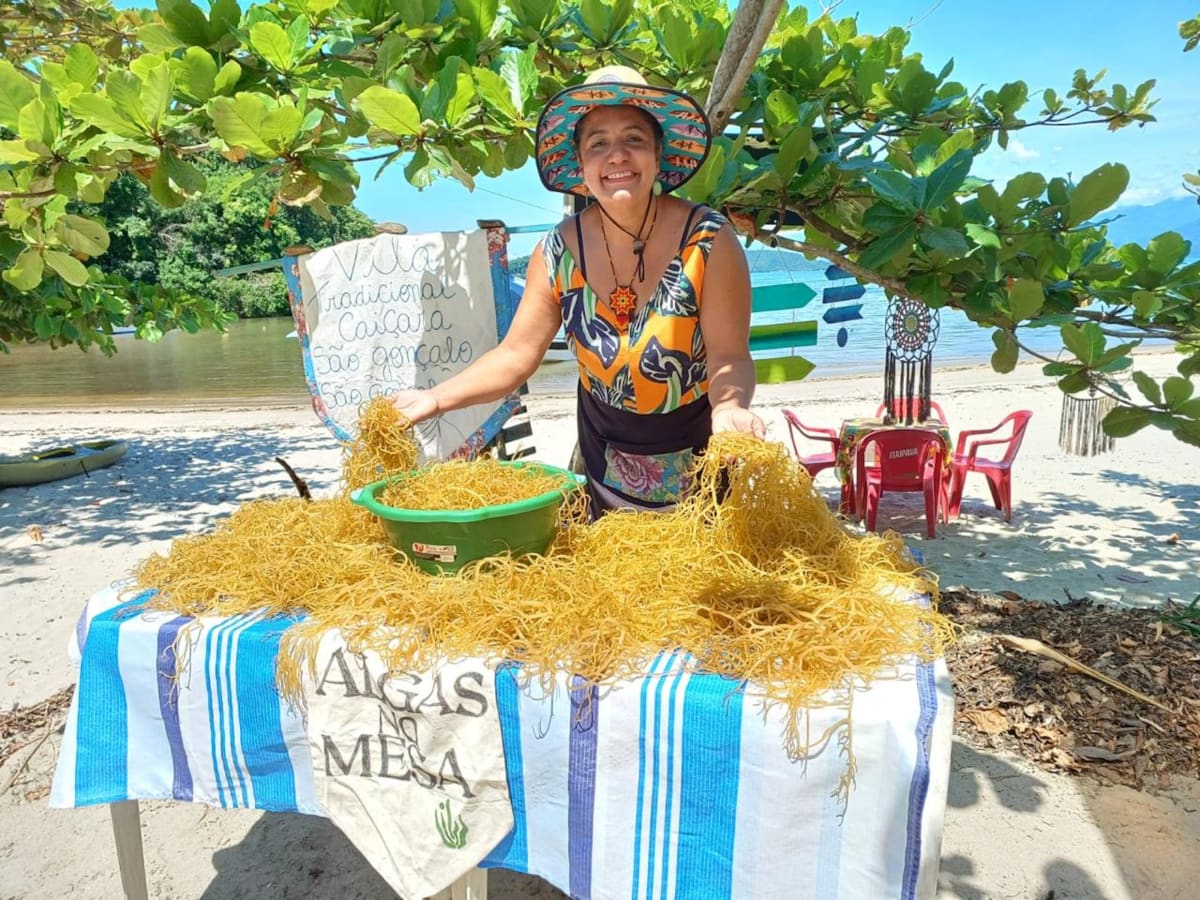
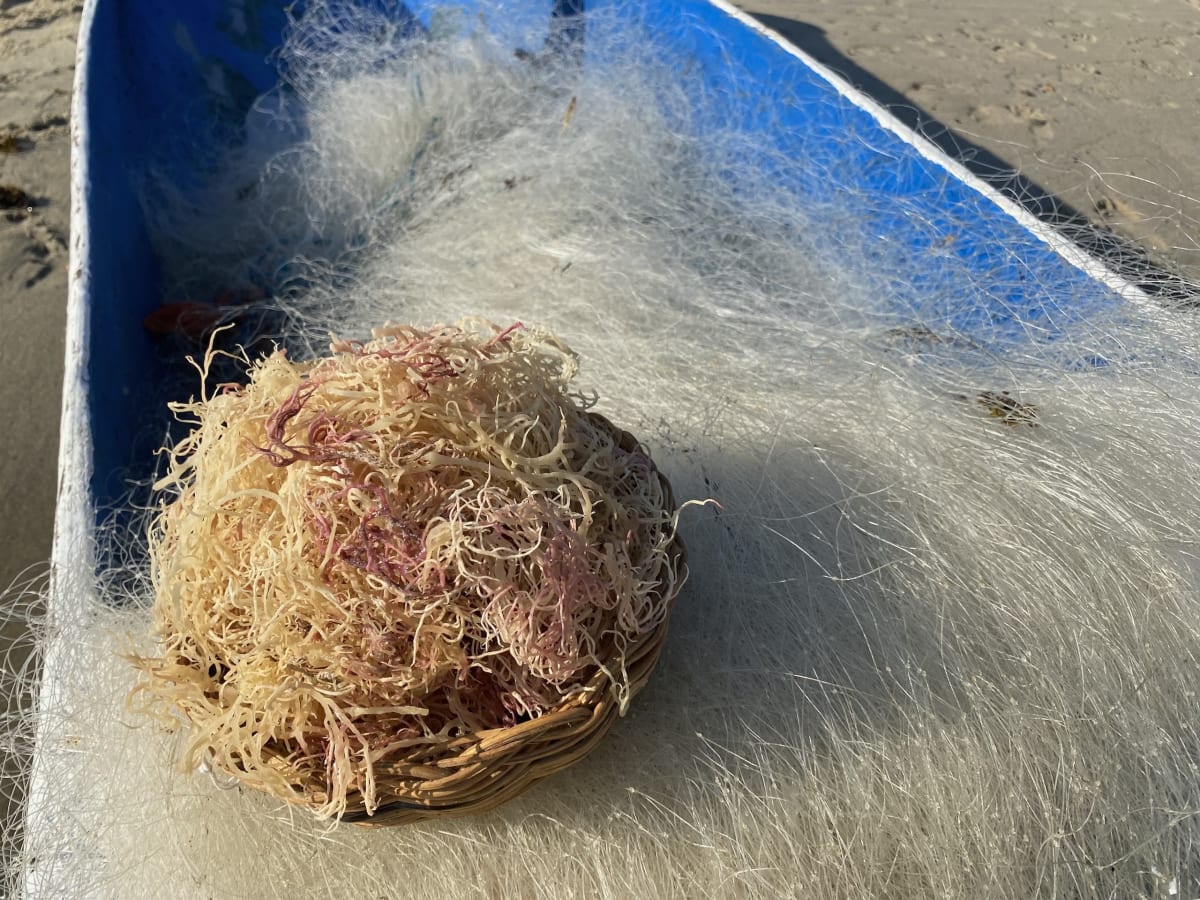
Today, Aparecida runs Rancho Ayres, a beachside restaurant where seaweed stars in everything from tempura to brownies. She uses Kappaphycus alvarezii, a macroalgae originally from the Philippines that thrives in Brazilian waters.
The menu features creative dishes like seaweed couscous, vegan mayonnaise, coconut candy, and her favorite ingredient: seaweed gel, which serves as a base for countless recipes. Her "tempuralgas" (seaweed tempura) has become a customer favorite.
But the family's venture goes beyond food. They offer educational tours where visitors learn how seaweed produces oxygen, absorbs carbon, and filters excess nutrients from the water. They changed their net mesh sizes after sea turtles got trapped, showing how farming can adapt to protect wildlife.
Aparecida's daughter Ísis, now an anthropology student, helps run the business and sees it as more than a restaurant. The initiative has become a way for women to lead in a traditionally male-dominated fishing industry.
"Most of the people managing it are women, not only in my family but in others as well," Ísis says. Aparecida also offers thalassotherapy sessions where visitors experience seaweed-based massages in canoes, with plans to sell cosmetics next.
The Ripple Effect
The Ayres family is part of a growing seaweed movement in Brazil. The country now produces around 1,100 metric tons annually, concentrated in three coastal states. What started as an ingredient for industrial food additives is becoming a sustainable food source that supports ocean health.
Other entrepreneurs like Tatiana da Gama Cunha in Florianópolis are also creating seaweed breads, cookies, and chocolate mousse. Experts say the industry faces challenges in credit access, marketing, and regulations, but new research networks and policies are organizing the sector.
For Aparecida, the work connects her to her mother, who played with native seaweed on the same beaches as a child. Her family was displaced when a federal road was built decades ago, but they never stopped using the ocean.
"We are the daughters of the waters," Aparecida says. "The use of seaweed comes as a form of resistance and permanence to preserve the territory."
Visitors from all backgrounds leave grateful for what they learn, and the family can tell the appreciation comes from the heart.
More Images

Based on reporting by Mongabay
This story was written by BrightWire based on verified news reports.
Spread the positivity!
Share this good news with someone who needs it