Brain Cancer Vaccine Doubles Survival in Early Trial
A personalized DNA vaccine for glioblastoma, one of the deadliest brain cancers, helped patients live twice as long as usual in a groundbreaking trial. One patient remains cancer-free nearly five years later.
Researchers at Washington University School of Medicine just gave hope to patients fighting glioblastoma, an aggressive brain cancer that has long defied treatment.
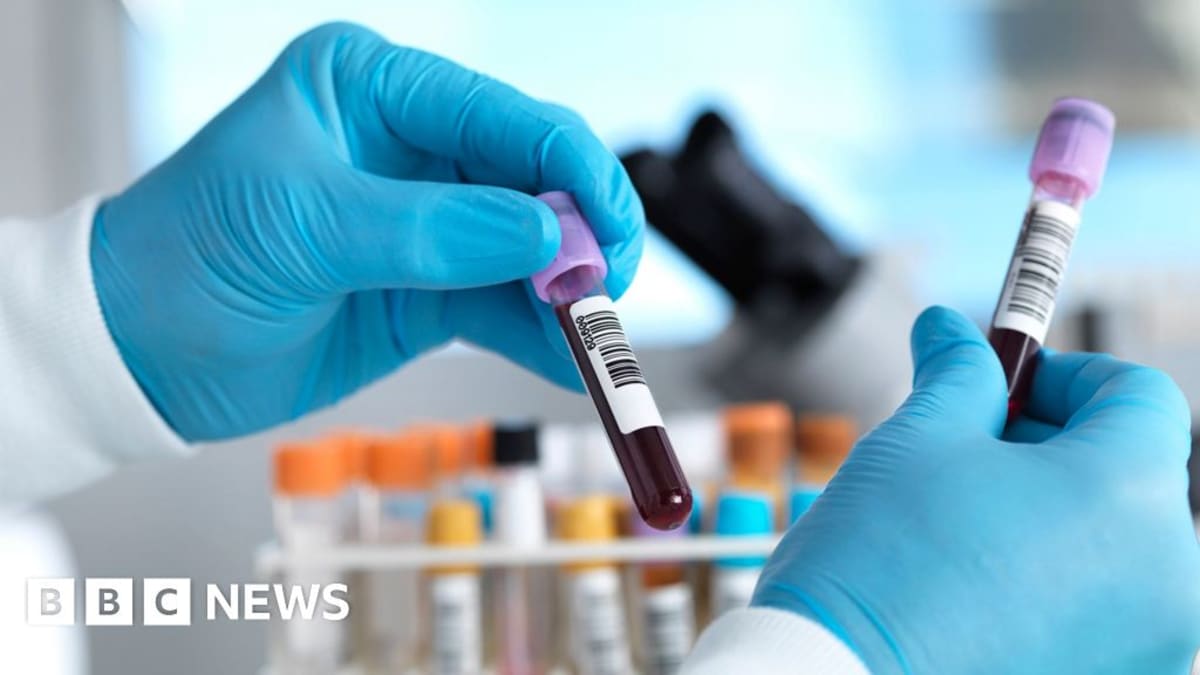
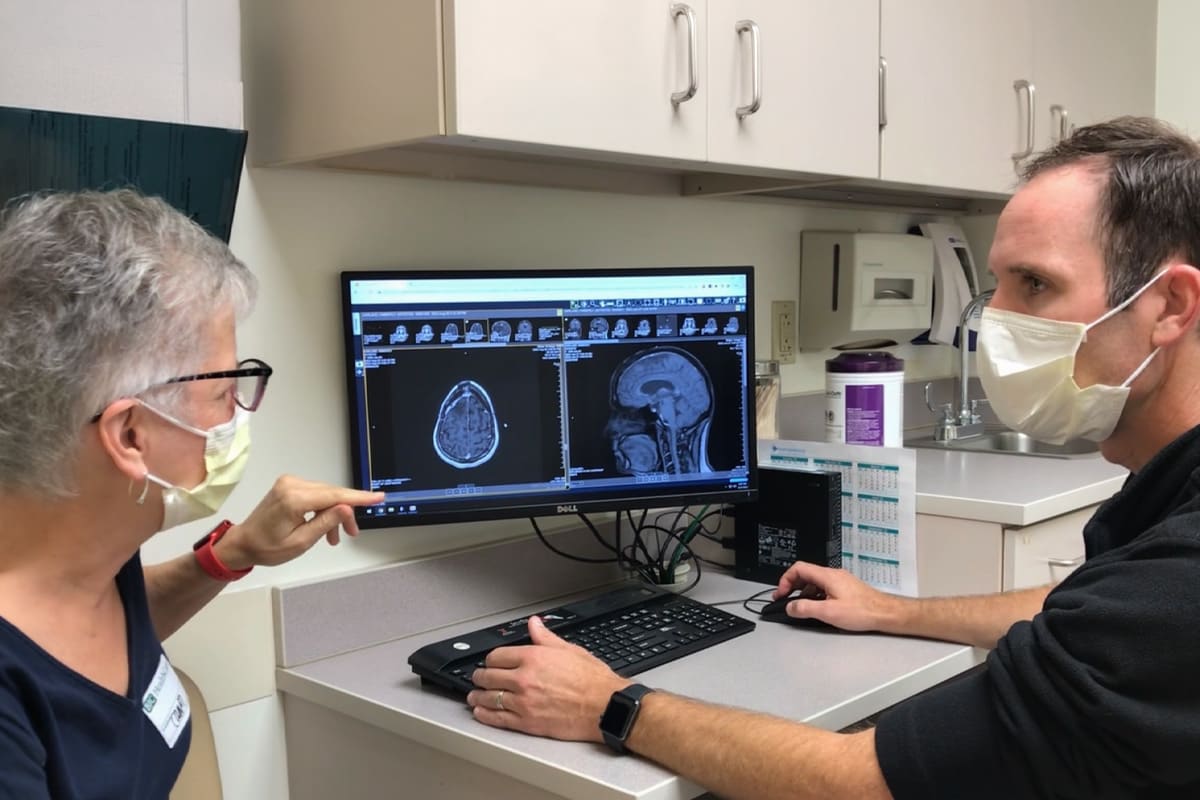
In a phase 1 trial at Siteman Cancer Center in St. Louis, nine patients received a personalized vaccine designed specifically for their unique tumors. The results published in Nature Cancer show something remarkable: two-thirds of patients survived at least one year, compared to the typical 40%.
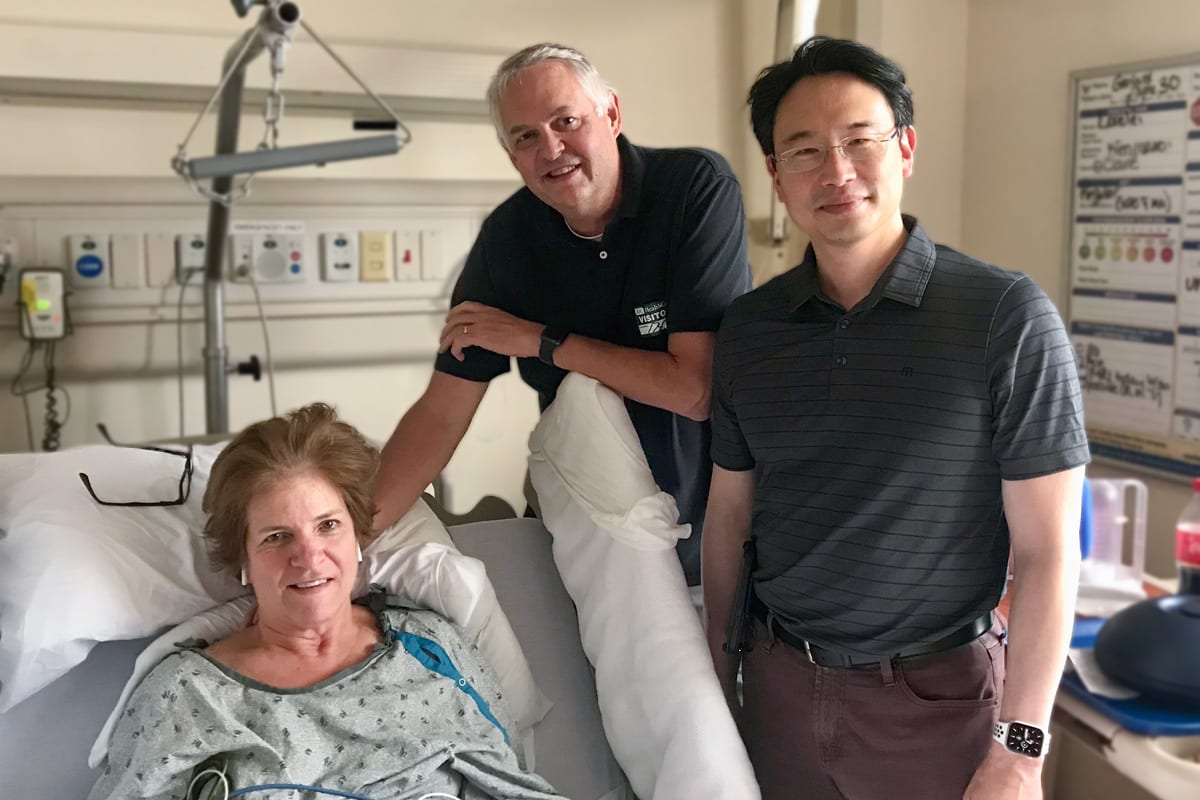
Even more encouraging, one-third were still alive after two years, double the historical survival rate. One participant remains completely cancer-free nearly five years after her diagnosis, a milestone almost unheard of for this disease.
The vaccine works differently than any previous attempt. Each patient's tumor contains unique proteins that act like fingerprints. The DNA-based vaccine teaches the immune system to recognize up to 40 of these proteins, twice as many targets as any cancer vaccine before it.
Dr. Tanner Johanns, who led the study, explained that glioblastoma tumors are "cold," meaning they hide from the immune system. This vaccine transforms them into "hot" tumors that immune cells can find and destroy.
The treatment started about 10 weeks after surgery, while patients recovered from radiation therapy. Vaccines were given every three weeks initially, then every nine weeks. All but one patient showed strong immune responses.
The manufacturing happened right at Siteman's Biologic Therapy Core Facility. Computational biologists Obi Griffith and Malachi Griffith developed an algorithm to identify which tumor proteins to target for each individual patient.
Why This Inspires
This breakthrough represents something bigger than just one cancer treatment. The personalized approach proves that medicine can now be tailored to each person's unique disease, turning what was once impossible into achievable.
The research team drew inspiration from similar DNA vaccine work on breast cancer at the same institution. Now they're testing combination therapies to see if they can push results even further.
For the estimated 12,000 Americans diagnosed with glioblastoma each year, this trial offers the first real hope in decades that this devastating disease might finally meet its match.
More Images
Based on reporting by Google News - Vaccine Success
This story was written by BrightWire based on verified news reports.
Spread the positivity!
Share this good news with someone who needs it