New Therapy Restores Joy in 90% of Depression Patients
Scientists have developed a groundbreaking treatment that helps people with depression regain their ability to feel joy, targeting a symptom that affects nearly 90% of patients but is rarely treated directly. The therapy rewires the brain's reward system to rebuild positive emotions, showing better results than conventional approaches.
Imagine waking up one day unable to feel joy from your favorite song, a sunset, or even a hug from someone you love. That's the reality for nearly 90% of people with major depression who experience anhedonia, a condition that steals the brain's ability to feel positive emotions.
For decades, depression treatment focused almost entirely on reducing sadness and negative feelings. But researchers at Southern Methodist University and UCLA discovered something crucial: taking away the bad doesn't automatically bring back the good.
Their solution is Positive Affect Treatment, a 15-session therapy designed to retrain the brain's reward system. Instead of fighting negative emotions, PAT helps patients reconnect with activities that bring meaning, joy, and purpose back into their lives.
The therapy includes exercises that strengthen habits like gratitude, savoring positive moments, and practicing loving kindness. These aren't just feel-good activities. They actually rewire how the brain processes rewards and learns from positive experiences.
In a clinical trial with 98 adults suffering from severe anhedonia, depression, and anxiety, PAT outperformed conventional therapy focused on negative emotions. Patients showed greater improvement in overall clinical status, and those gains lasted at least a month after treatment ended.
What makes these findings remarkable is that PAT worked entirely through positive emotion exercises, yet patients improved on both positive and negative measures. Depression and anxiety symptoms dropped significantly, even though the therapy never directly targeted those negative feelings.
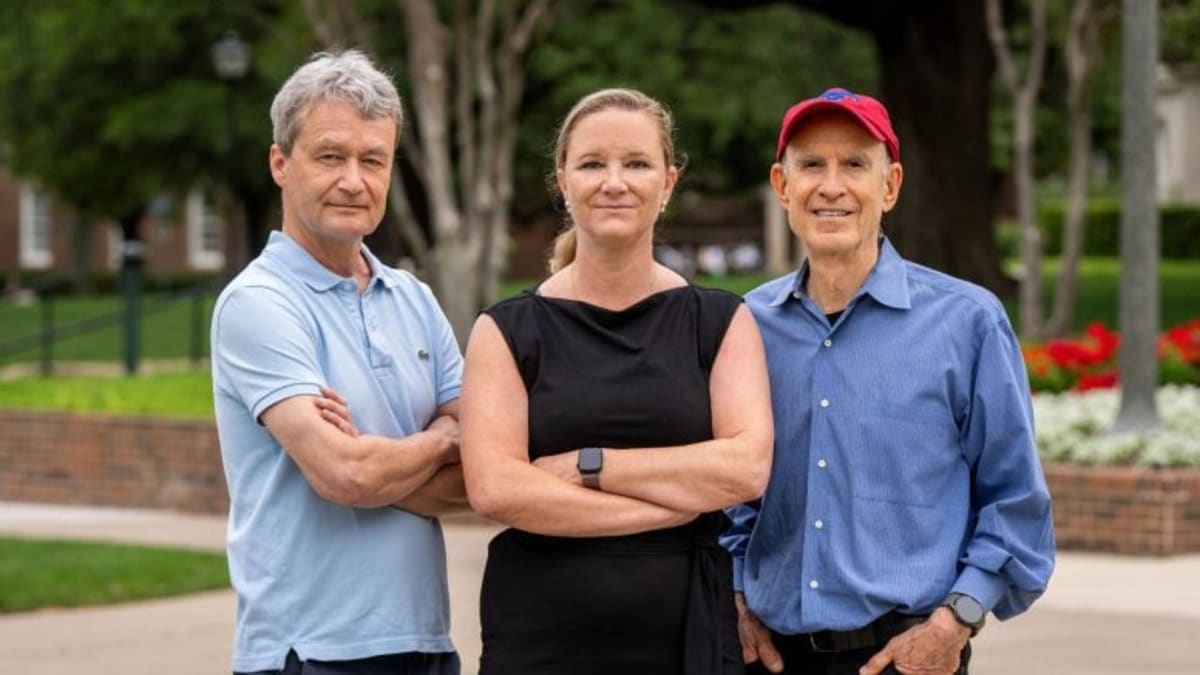
"When people feel hopeless, they don't believe anything will change," said Dr. Alicia Meuret, who leads the Anxiety and Depression Research Center at SMU. "Taking away negative emotions doesn't fix that."
The researchers tracked nine different measures of reward sensitivity, from anticipation and motivation to how the brain learns from positive experiences. They found that improving the brain's impaired reward processing reduced major risk factors in depression, including suicidality and relapse.
Why This Inspires
This research challenges everything we thought we knew about treating depression. For years, millions of patients sat in therapy sessions focused on what was wrong, when what they really needed was help remembering what feels right.
The therapy asks questions that sound simple but are revolutionary: Is this activity meaningful to you? Will it give you joy or a sense of accomplishment? Does it foster connection? These questions acknowledge that recovery isn't just about surviving. It's about learning to thrive again.
The study was supported by the National Institute of Mental Health and published in JAMA Network Open, giving hope to the estimated 280 million people worldwide living with depression.
Treatment that rebuilds joy isn't just about feeling better—it's about remembering what it means to feel alive.
More Images

Based on reporting by Google News - New Treatment
This story was written by BrightWire based on verified news reports.
Spread the positivity!
Share this good news with someone who needs it