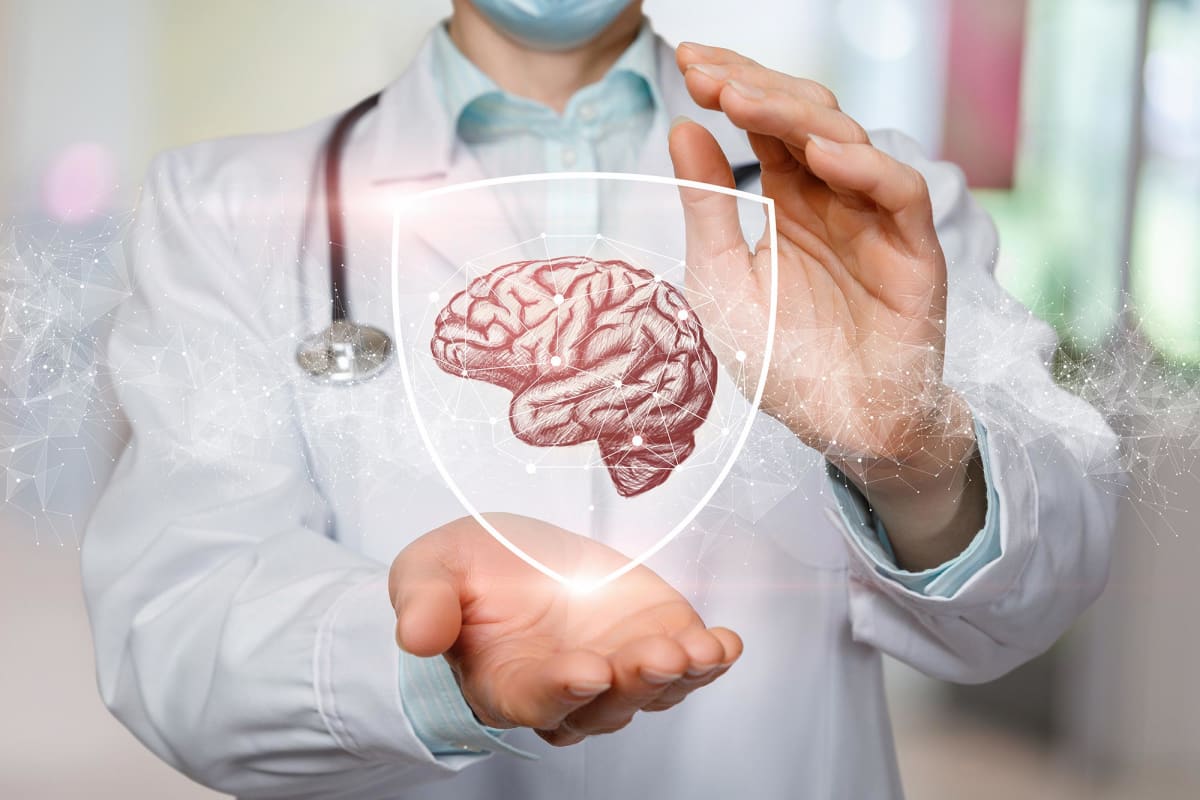
Brain Cells May Protect 30% of Seniors From Alzheimer's
Scientists discovered special immature brain cells that help 30% of older adults resist Alzheimer's symptoms, even when the disease is present in their brains. The cells activate protective programs that reduce inflammation and support surrounding tissue.
Imagine carrying all the hallmarks of Alzheimer's disease in your brain but never losing a single memory. For three in ten older adults, that's exactly what happens.
Scientists at the Netherlands Brain Bank have discovered a potential reason why. They found that certain immature brain cells, which resemble young developing neurons, may help some people's brains stay sharp even when Alzheimer's pathology is present.
The research team studied donated brain tissue from three groups: healthy older adults, Alzheimer's patients with dementia, and people who had Alzheimer's brain changes but never developed symptoms. All participants averaged over 80 years old.
Lead researcher Evgenia Salta and her team focused on a tiny memory region in the brain where new neurons might form. Finding these rare cells required developing new detection methods and zooming in on exact spots where they expected to find them.
The discovery surprised the researchers. Resilient individuals didn't have more of these immature neurons than Alzheimer's patients. Instead, the cells functioned completely differently.
In resilient brains, the immature neurons activated survival programs and showed lower signals for inflammation and cell death. Rather than simply replacing lost neurons, these cells appeared to nourish surrounding tissue like fertilizer in a struggling garden.
Why This Inspires
This research marks a major shift in how scientists approach Alzheimer's disease. Instead of only studying how the disease destroys the brain, researchers are now exploring what makes some brains resistant to its effects.
The findings suggest our aging brains may be far more adaptable than previously believed. These immature neurons could represent the brain's built-in repair system, working quietly to maintain function even as disease processes unfold.
Salta emphasizes this is one piece of a large puzzle. No single factor explains why some people develop dementia while others remain stable despite similar brain changes. Future studies will examine how these protective cells interact with other brain cells.
The implications reach beyond understanding. If researchers can figure out what triggers these protective programs in resilient brains, they might develop new treatments that activate the same defenses in everyone.
For now, the research offers something precious: evidence that the aging brain holds surprising reserves of resilience and hope.
More Images
Based on reporting by Google News - Scientists Discover
This story was written by BrightWire based on verified news reports.
Spread the positivity!
Share this good news with someone who needs it