Brain Clue Could Speed Up Leigh Syndrome Diagnosis
Virginia Tech researchers discovered early brain changes in Leigh syndrome that could help doctors identify affected children months before symptoms appear. The breakthrough offers hope for earlier treatment of this devastating genetic disorder.
Babies born with a rare genetic disease called Leigh syndrome often seem perfectly healthy at first, only to experience devastating neurological decline before their first birthday. Now scientists have discovered a way to spot the disease much earlier, opening a path to faster diagnosis and treatment.
Researchers at Virginia Tech found telltale signs of Leigh syndrome hiding in the brain's neural stem cells shortly after birth. The discovery, published in EMBO Molecular Medicine, could change how doctors screen for this severe disorder that attacks the body's energy-producing mitochondria.
Currently, most children with Leigh syndrome aren't diagnosed until around 9 or 10 months old, when symptoms suddenly emerge and worsen rapidly. Without family history suggesting genetic testing, these babies appear to develop normally until the disease reveals itself through motor and respiratory problems.
Associate Professor Alicia Pickrell and her team suspected earlier clues existed. A recent clinical study from the Children's Hospital of Philadelphia had already shown subtle neurodevelopmental delays before major symptoms appeared, suggesting the disease was active from birth.
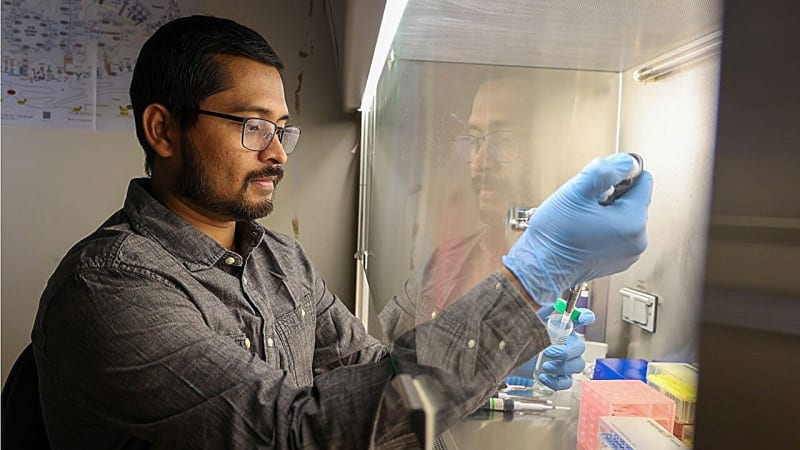
The Virginia Tech team studied a mouse model of Leigh syndrome and discovered malformed areas in the corpus callosum, the thick bundle of nerve fibers connecting the left and right sides of the brain. Using microscopy, they observed that neural stem cells weren't generating the right types of cells during development.
"From the data we've been collecting, it looks like it's just not developing the way it should," Pickrell explained. The neural stem cells showed sluggish activity and created faulty connections in this critical communication pathway.
Why This Inspires
This research represents more than just scientific progress. It's about giving families precious time. With earlier identification, children could enter clinical trials sooner and potentially benefit from emerging treatments before the disease progresses.
The study also demonstrates how looking at familiar problems from new angles can reveal hidden solutions. By focusing on specific brain regions and using advanced microscopy tools, the researchers found markers that previous studies had missed.
Now that scientists know where and what to look for, the next steps involve developing screening methods that could be used in clinical settings. The goal is transforming this discovery into practical diagnostic tools that pediatricians can use to identify at-risk infants.
For families facing Leigh syndrome, this breakthrough offers something invaluable: hope that their children might be identified and treated before precious developmental time is lost.
More Images



Based on reporting by Medical Xpress
This story was written by BrightWire based on verified news reports.
Spread the positivity!
Share this good news with someone who needs it