Brain Corp and UC San Diego Advance Smarter Robot Systems
A groundbreaking partnership between Brain Corp and UC San Diego is helping robots better understand their surroundings, making autonomous systems safer and more reliable in real-world commercial spaces. The collaboration could transform how 50,000 deployed robots worldwide navigate complex environments.
📺 Watch the full story above
Robots are about to get a major intelligence upgrade, thanks to a research partnership that's teaching machines to truly understand the spaces they work in.
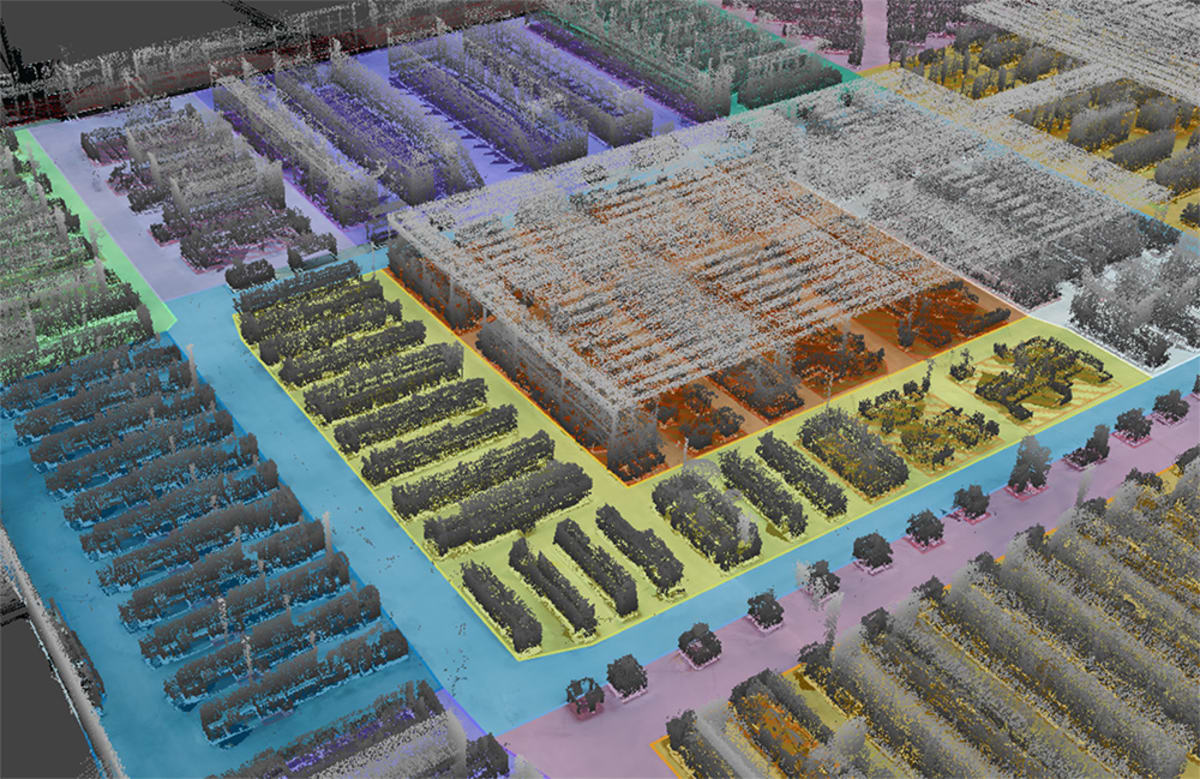
Brain Corp, a San Diego-based robotics company, has expanded its collaboration with the University of California, San Diego to develop what they call a "contextual grounding layer" for robots. Think of it as giving robots the situational awareness to not just see their environment, but actually understand it.
The technology goes beyond basic navigation. Instead of simply avoiding obstacles, robots will grasp context about what's happening around them and respond more intuitively to changing conditions.
Dr. Nikolay Atanasov, who leads UC San Diego's Existential Robotics Laboratory, explained that while mapping technology helped robots leave factory floors, today's challenge is making AI systems that can handle the unpredictability of real-world spaces. "We believe contextual 3D semantic maps remain essential for robust autonomy in complex physical spaces," he said.
Brain Corp brings serious real-world experience to the partnership. The company already has more than 50,000 autonomous mobile robots deployed globally, logging over 25 million operating hours across commercial sites like warehouses, airports, and retail stores.
That massive dataset gives researchers invaluable insight into how autonomous systems actually behave when conditions change unexpectedly. It's the difference between lab testing and real-world problem-solving.
The collaboration aims to integrate these advances into Brain Corp's BrainOS platform, which manages fleets of autonomous robots across entire facilities. The goal is helping customers deploy robots more safely and efficiently at enterprise scale.
The Ripple Effect
This partnership represents more than just smarter robots. It's about making autonomous systems reliable enough for widespread commercial use, which could transform industries from healthcare to logistics.
When robots can better understand their environment, they work more safely alongside people. That means autonomous systems can take over repetitive or physically demanding tasks while humans focus on work requiring creativity and judgment.
The collaboration also bridges the often-wide gap between academic research and commercial deployment. By combining UC San Diego's cutting-edge robotics research with Brain Corp's operational experience, innovations can move from lab to real-world application faster.
John Black, Brain Corp's chief technology officer, summed up the vision: "The industry is entering a new era of AI-powered robotics, but deploying these systems safely and reliably in real-world environments requires a much deeper layer of contextual intelligence."
The future of work isn't humans versus robots, but humans working alongside machines that truly understand their role.
More Images


Based on reporting by The Robot Report
This story was written by BrightWire based on verified news reports.
Spread the positivity!
Share this good news with someone who needs it