Brain Magnet Therapy Helps 45 Smokers Quit in New Study
Scientists used magnetic pulses to rebalance brain chemistry in smokers trying to quit, and participants cut their daily cigarette use by up to 11 cigarettes. The noninvasive treatment could offer new hope for the millions who struggle to beat nicotine addiction.
Quitting smoking is brutally hard, with only one in ten smokers succeeding despite two-thirds desperately wanting to stop. But researchers at the Medical University of South Carolina just discovered something that could change those odds: a brain treatment using powerful magnets that dramatically reduced cigarette cravings.
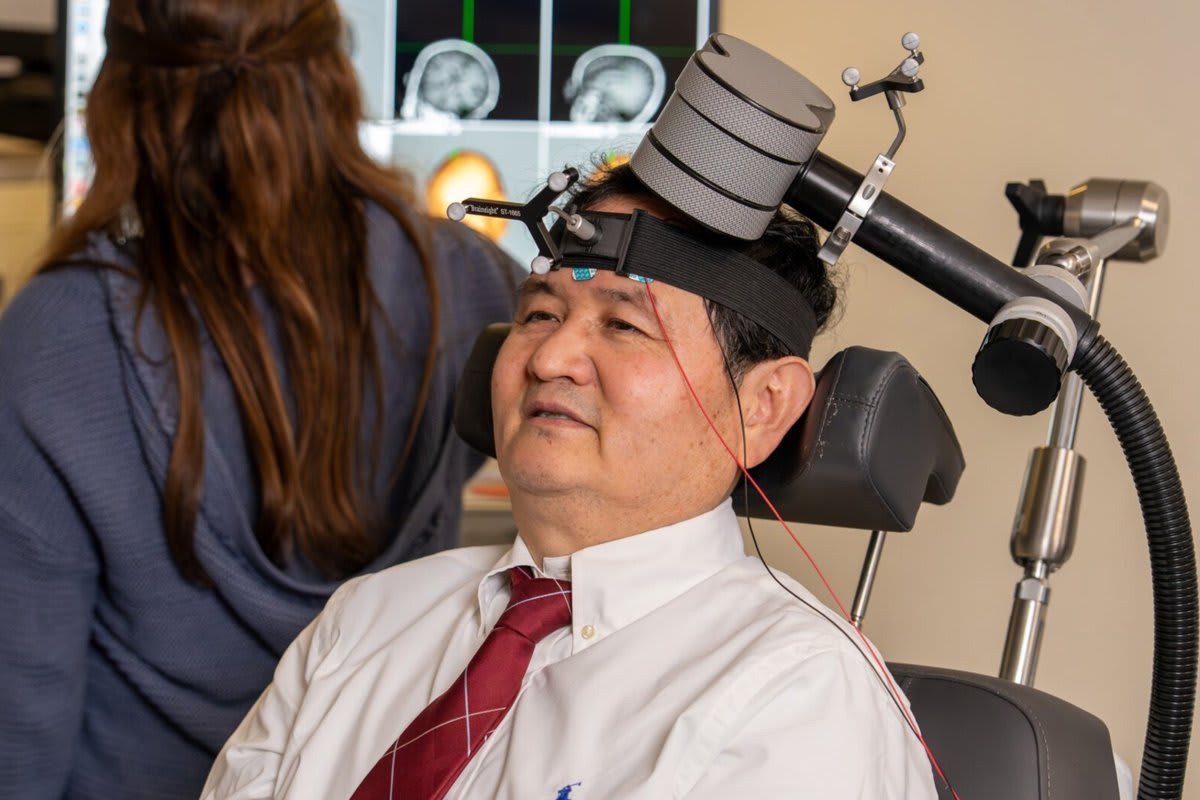
The technique, called repetitive transcranial magnetic stimulation, sends magnetic pulses into specific parts of the brain to rebalance neural activity. No surgery, no needles, just targeted electromagnetic bursts that help restore the brain's natural balance.
Professor Xingbao Li and his team tested the approach on 45 smokers trying to quit, giving each person 15 treatment sessions. The results were striking: participants who received magnetic stimulation to their brain's decision-making center cut their daily cigarette use by an average of 11 cigarettes.
Here's how it works: addiction throws the brain out of balance. The reward and craving system becomes overactive while the control and decision-making system weakens. Li's magnetic pulses target the dorsolateral prefrontal cortex, the brain region responsible for self-control, essentially giving that weakened system a boost.
The team also tested stimulation on a different brain region tied to rewards and cravings. Those participants reduced smoking by about five cigarettes daily, compared to six in the control group who received fake treatment.
The Bright Side
This isn't just about smoking. The same magnetic stimulation technique has already shown promise treating depression, chronic pain, and obsessive compulsive disorder. Li is now investigating whether it can help people break free from methamphetamine and alcohol addiction too.
What makes this approach exciting is its precision. Li calls it personalized medicine, tailoring the magnetic treatment to each person's brain and their specific addiction patterns. Instead of relying solely on willpower or one-size-fits-all medications, smokers could have a tool that directly addresses the brain chemistry working against them.
The technology is noninvasive and already FDA-approved for other conditions, meaning it could reach patients relatively quickly if larger studies confirm these promising results.
For the millions who've tried and failed to quit smoking, this magnetic approach offers something precious: genuine hope backed by science.
More Images
Based on reporting by Futurism
This story was written by BrightWire based on verified news reports.
Spread the positivity!
Share this good news with someone who needs it