Brain Science Reveals Your Personality Can Change at Any Age
For decades, scientists believed our brains and personalities became fixed in childhood. New research on neuroplasticity shows that's wrong—and the discovery is helping people reshape patterns they thought were permanent.
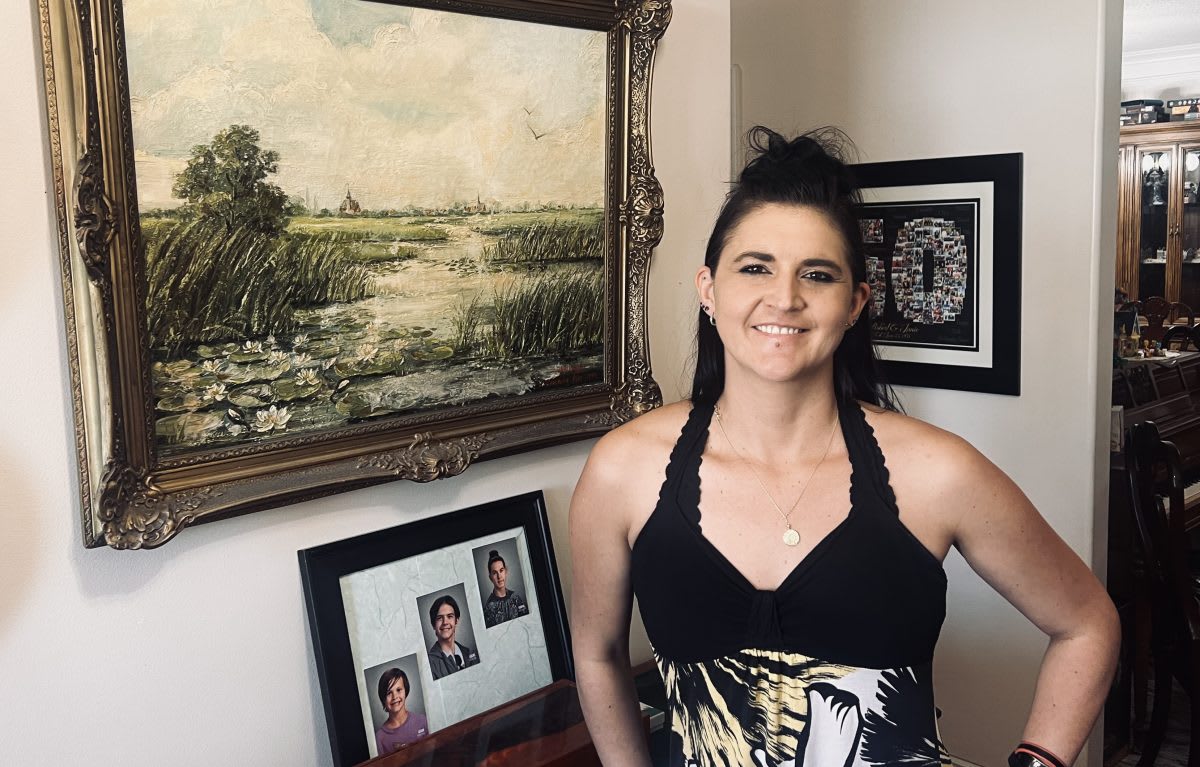
A psychology researcher spent years believing her anxious, restless personality was simply who she was. Then she learned what neuroplasticity actually means, and everything changed.
The human brain contains up to 100 billion neurons, each forming thousands of connections. For most of the twentieth century, scientists believed these connections solidified in childhood, making personality essentially permanent. That turned out to be wrong.
Neuroplasticity isn't just about recovery from brain injury. It's the normal state of the brain throughout life, constantly reshaping itself based on what we do repeatedly, what we pay attention to, and what we practice.
The researcher realized she'd been "maintaining herself like a finished product instead of a living system." Every time she felt anxious, she filed it under "this is who I am" rather than "this is what I'm currently doing." That distinction changed everything.
When you treat a pattern as identity, it becomes something to accept. When you recognize it as behavior reinforced through repetition, it becomes something you can change.
Neuroscientist Michael Merzenich's research demonstrates that gray matter can shrink or thicken and neural connections can form or dissolve in response to ordinary experience. The brain doesn't wait for injury to reorganize. It reorganizes based on everyday attention and repetition.
The patterns we treat as fixed personality traits are actually being actively maintained through habit. The automatic feels like identity, but autopilot and identity aren't the same thing.
A 2022 review in Innovation in Aging confirms that personality traits, while relatively stable, show meaningful change in response to life events, environmental influences, and deliberate effort. The idea that your personality at 25 stays the same at 45 hasn't held up in longitudinal studies.
Why This Inspires
This research offers something powerful: the recognition that we're not finished products to be managed, but living systems that respond to how we engage with them. The habits we repeat become the patterns we experience as personality.
For someone who spent years believing their anxiety was simply part of their wiring, learning that those neural pathways strengthen with repetition—and can weaken with different practices—opened a door that seemed permanently closed. Not a quick fix, but a genuine possibility.
The shift wasn't dramatic transformation. It was a persistent question: if this pattern exists because I keep creating it, what happens if I don't? Not by forcing it away, but by noticing it as behavior rather than confirming it as identity.
The science suggests we're more changeable than we thought, which means the patterns we've accepted as permanent might simply be the ones we haven't questioned yet.
More Images




Based on reporting by Google News - Science
This story was written by BrightWire based on verified news reports.
Spread the positivity!
Share this good news with someone who needs it