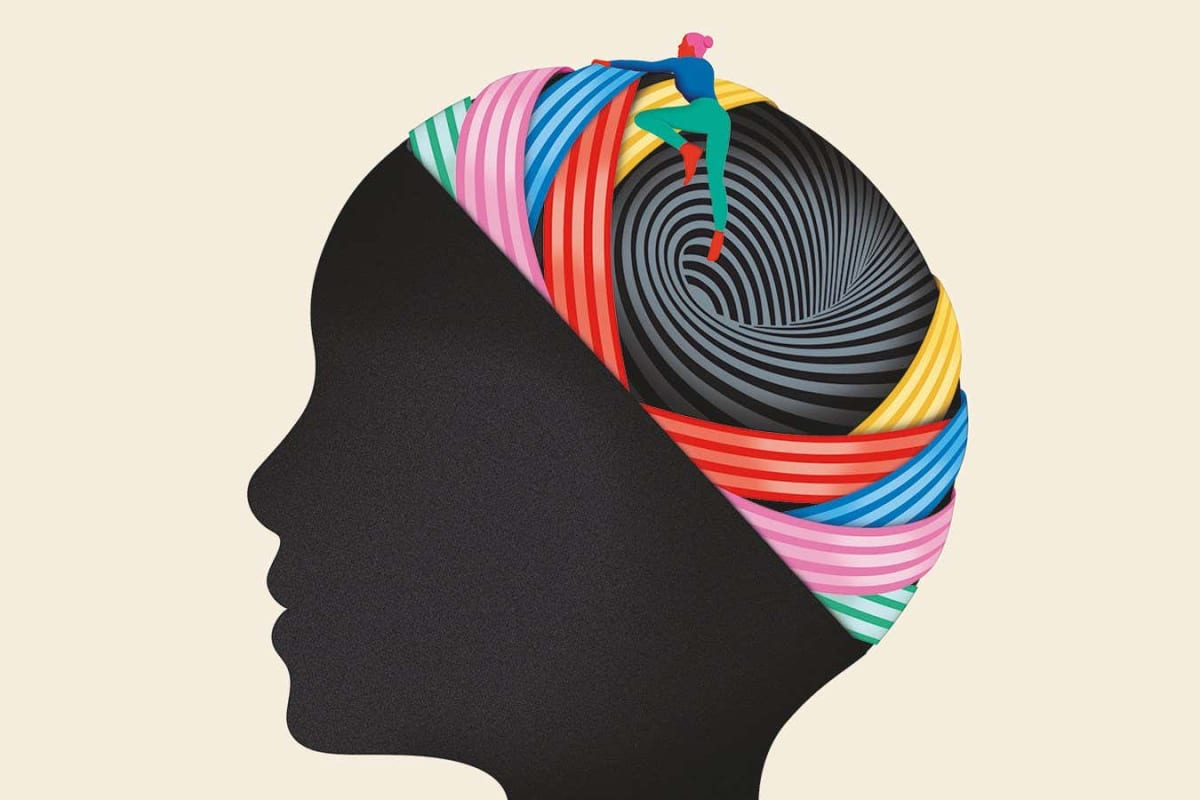
Brain Science Unlocks Hope for Anorexia Recovery
Scientists are discovering how anorexia changes the brain's reward and emotion circuits, opening doors to promising new treatments. After decades of limited options, breakthrough therapies like brain stimulation could help the third of patients who don't recover with current care.
Thirteen years ago, Vicki Turner was rushed to the emergency room with a failing heart, but all she wanted was to go home and eat the two strawberries she'd allowed herself for her 15th birthday. Today, she's recovered and part of a hopeful shift in how we understand and treat one of the deadliest mental health conditions.
Researchers at King's College London and Columbia University are making breakthrough discoveries about anorexia nervosa, which affects up to 4 percent of women during their lifetime. They've found that the condition physically changes brain circuits controlling reward, habit, and emotion, which helps explain why eating becomes so difficult even for people desperately wanting to recover.
The progress builds on a famous 1940s experiment where healthy young men were put on restricted diets. After six months, they developed many behaviors seen in anorexia, obsessing over food and becoming anxious and withdrawn. This revealed that starvation itself causes many of anorexia's symptoms, transforming treatment to focus first on restoring weight and nutrition.
A major 2022 study of 685 women with anorexia found their brain's outer layer was significantly thinner than in people without eating disorders. The reduction was two to four times greater than seen in depression or OCD. The exciting news? The changes reversed in participants who had started regaining weight, proving the brain can heal.
"We could do much, much better. That is clear," says researcher Ulrike Schmidt. Current treatments help about two thirds of patients recover, but the remaining third have lacked clear options until now.
The Bright Side
These brain discoveries are already inspiring new therapies. Scientists are testing brain stimulation techniques and experimental medications targeting the specific circuits affected by anorexia. For the first time, doctors have concrete targets beyond traditional talk therapy and supervised eating.
The research also removes stigma by showing anorexia is a biological condition, not a choice or character flaw. Understanding that starvation physically alters the brain helps families and patients approach recovery with compassion rather than frustration.
Clara Moreau at the University of Montreal explains that the brain is strongly affected by food restriction because it's mainly made of fat. Her team studied 290 children to separate starvation effects from pre-existing brain differences, providing crucial insights into how and when intervention works best.
While it's still early days, the wave of neuroscience research represents the most promising advancement in anorexia treatment in decades. Scientists finally have the tools to understand why the condition grips some people so tightly and the roadmap to develop therapies that could reach those who've run out of options.
Recovery is possible, and science is making it more attainable every day.
More Images



Based on reporting by Google News - New Treatment
This story was written by BrightWire based on verified news reports.
Spread the positivity!
Share this good news with someone who needs it