Lung Disease Drug May Turn Back Biological Aging 4 Years
A drug created to treat lung scarring made patients appear biologically younger by up to four years in early trials. Scientists say the surprising discovery could open new doors in aging research.
Scientists developing a lung disease treatment just stumbled onto something that could change how we think about aging.
Rentosertib, an experimental drug designed to treat idiopathic pulmonary fibrosis (a serious lung scarring disease), showed an unexpected bonus in a small clinical trial. Patients taking the medication showed changes in their blood proteins that made them appear biologically three to four years younger, with one patient appearing six years younger.
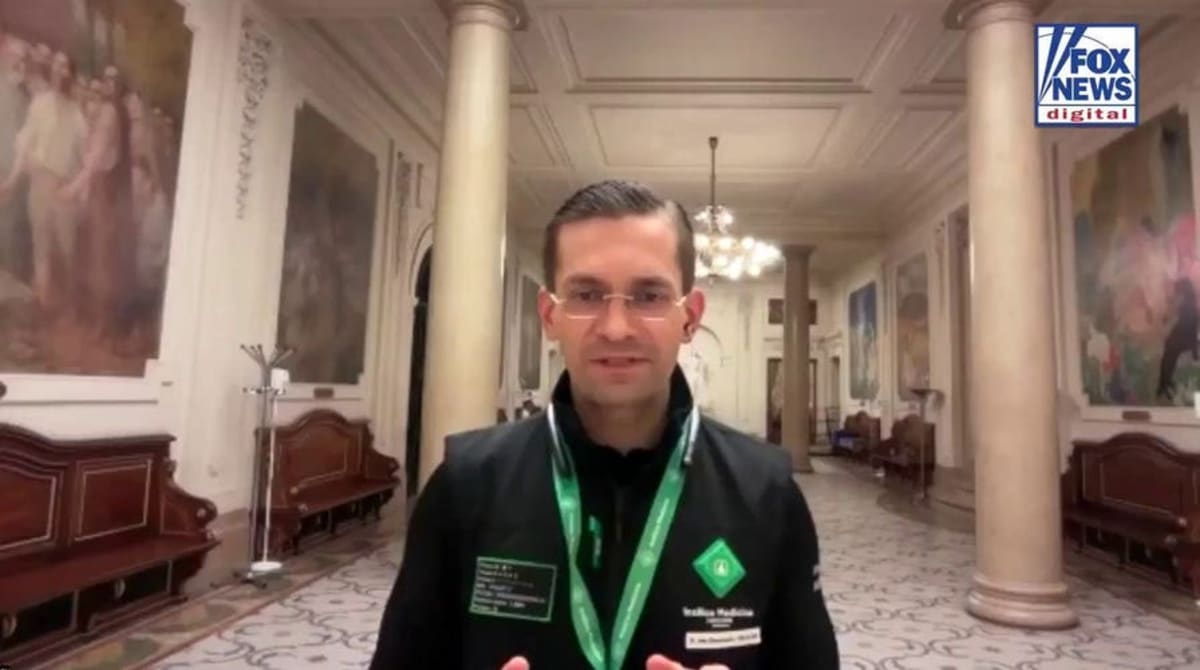
"There is a promising trend in age reversal in addition to treating the disease, and it came as a bonus," said Dr. Alex Zhavoronkov, founder of Insilico Medicine, the Massachusetts company developing the drug. The company used artificial intelligence to discover the treatment.
The study tracked 42 patients over 12 weeks. Six different aging tests showed the same pattern: people taking rentosertib "scored" biologically younger than those who received a placebo. The strongest effect appeared after four weeks in patients taking 30 mg twice daily.
Researchers compared their results with data from more than 55,000 people in the UK Biobank. They found that rentosertib changed several blood proteins in the opposite direction from what normally happens with aging. The drug also appeared to affect how cells function and respond to damage at the cellular level.
The study included researchers from Harvard Medical School, Stanford University, and several international universities. They published their findings Monday in Nature Biotechnology and presented them at a conference in Paris.
Before anyone gets too excited, the scientists urge caution. "It's early days," Zhavoronkov noted. "The drug is still investigational." The small sample size and short duration mean more research is needed.
Side effects were manageable, according to Dr. Carol Ann Satler, senior vice president of clinical development at Insilico Medicine. The most common issues included mild diarrhea, slightly lower potassium levels, and temporary increases in liver enzymes. "Once you stop the drug, essentially, they return to normal," she said.
Why This Inspires
This discovery represents something bigger than just one drug. It shows that treatments designed for specific diseases might unexpectedly help us understand and potentially slow aging itself. The combination of artificial intelligence and medical research is opening doors scientists didn't even know existed a few years ago.
The next step is a year-long phase 3 study involving more than 300 patients in China. Future trials will need to include healthy older adults without lung disease to determine whether the anti-aging effects work beyond the original disease.
While we're years away from knowing if this drug truly extends healthy lifespan, the preliminary results give researchers new hope and direction in the fight against aging.
More Images



Based on reporting by Fox News Health
This story was written by BrightWire based on verified news reports.
Spread the positivity!
Share this good news with someone who needs it