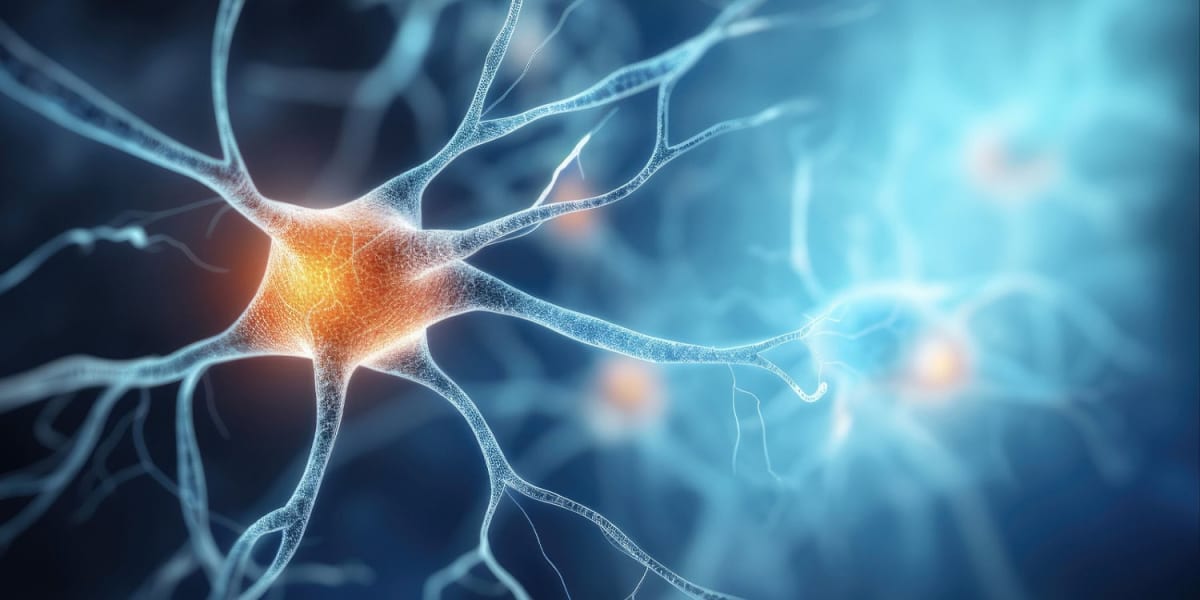
Brain Stimulation Physically Rewires Depression Patients
Scientists discovered that deep brain stimulation doesn't just zap depression away. It actually rebuilds the brain's physical wiring, explaining why patients keep getting better months after treatment starts.
For years, doctors noticed something strange about treating severe depression with brain stimulation. Patients improved quickly at first, then kept getting better for months afterward, even though the electrical pulses stayed the same.
Now scientists at Mount Sinai have solved the mystery. The treatment physically reshapes the brain's wiring.
Deep brain stimulation works by implanting tiny electrodes that send gentle electrical pulses into specific brain areas. Doctors have used it for Parkinson's disease for decades. Recently, they started targeting a different part of the brain to treat depression that doesn't respond to medication or therapy.
The results have been remarkable. Between 70 and 80 percent of patients show significant improvement. Some become completely free from depression.
Dr. Helen Mayberg pioneered this approach twenty years ago. She noticed her successfully treated patients followed an unusual pattern. They felt better quickly, then continued improving gradually for weeks or months. The initial relief made sense based on electrical changes, but the long term gains puzzled researchers.
The Mount Sinai team used advanced MRI imaging to watch what happened inside the brain during treatment. They focused on white matter, the bundles of nerve fibers that act like the brain's information superhighway, connecting different regions so they can communicate.
After six weeks of stimulation, the scans revealed something groundbreaking. The white matter had physically changed. The nerve fibers became more organized, densely packed, and structurally sound. The brain was literally rewiring itself.
This physical remodeling happened specifically in the cingulum bundle, a major pathway connecting areas involved in emotion and mood regulation. The treatment strengthened the very infrastructure the brain uses to process feelings.
Why This Inspires
This discovery transforms our understanding of mental health treatment. Depression isn't just a chemical imbalance that needs temporary adjustment. The brain can physically rebuild its communication networks, creating lasting structural changes that support recovery.
For the millions of people struggling with treatment resistant depression, this research offers profound hope. The finding that brains can physically rewire themselves suggests recovery isn't just managing symptoms. It's actual healing at the deepest structural level.
The study also explains why patience matters in treatment. Those weeks and months of gradual improvement aren't just waiting for medication to work. They're the time your brain needs to literally reconstruct itself, building stronger pathways for emotional health.
Understanding these physical changes could help doctors predict which patients will benefit most from treatment and optimize the timing and intensity of stimulation. Future treatments might be designed specifically to enhance this natural rewiring process.
The brain's ability to physically reshape itself in response to treatment reminds us that healing is possible, even when everything else has failed.
Based on reporting by Google News - Scientists Discover
This story was written by BrightWire based on verified news reports.
Spread the positivity!
Share this good news with someone who needs it