Brain Study Could Transform Hearing Aids for Noisy Spaces
Scientists discovered our brains stay engaged with stories even in noisy environments, a breakthrough that could revolutionize hearing aids and make public spaces more accessible for millions.
Your brain is working harder than you think when you're trying to follow a conversation at a busy coffee shop. Scientists just figured out exactly how it does it, and the discovery could transform life for anyone who struggles to hear in crowded places.
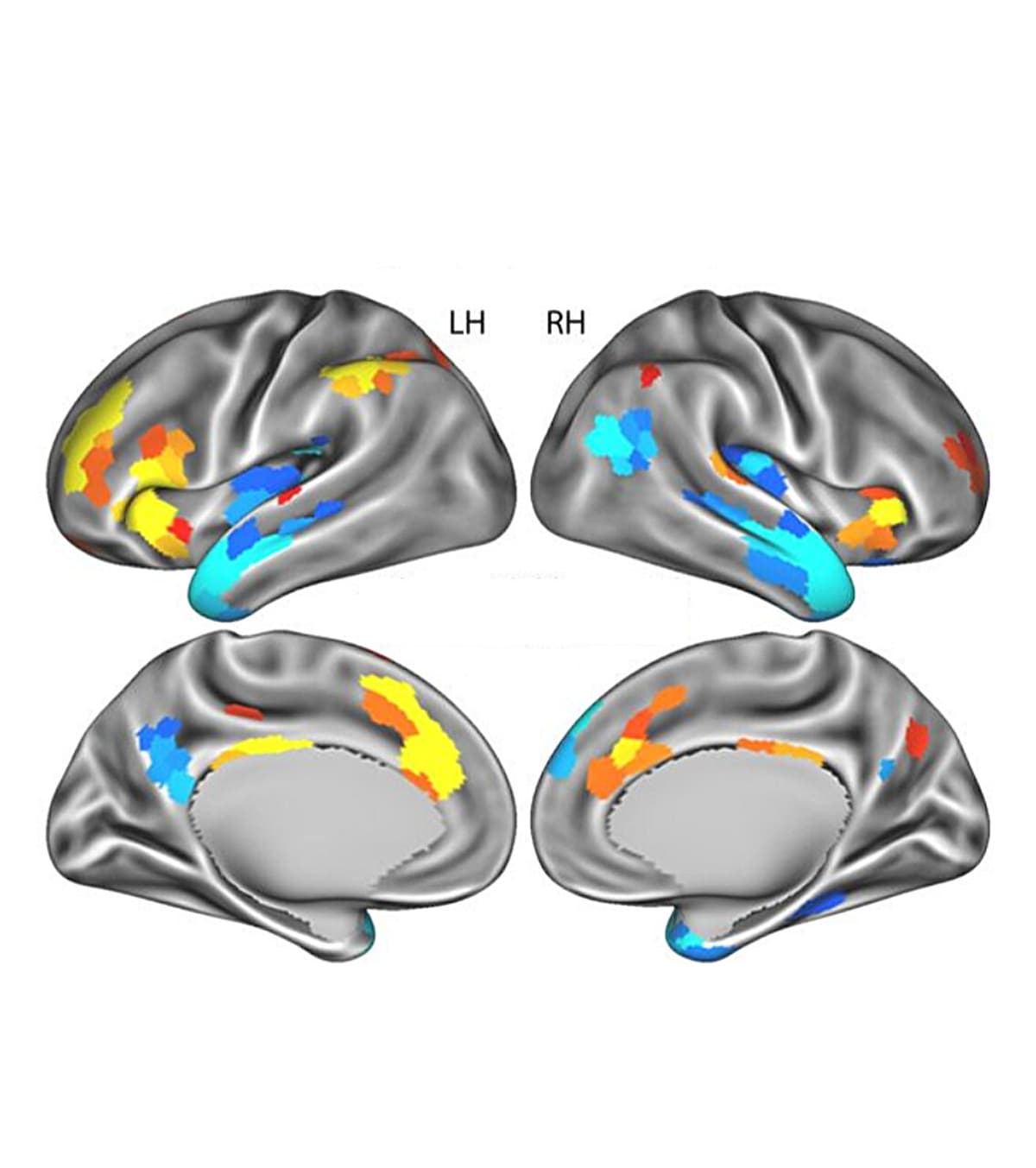
Researchers at the University of Stirling used brain scans to watch what happens when people listen to engaging stories while background chatter increases. They found something remarkable: even as noise levels rose, specific brain regions kept working to help listeners follow the story's structure and meaning.
Dr. Aysha Motala and her team published their findings in eNeuro after scanning participants' brains with fMRI technology. As background noise increased, the auditory areas of each person's brain responded more uniquely, while the cingulo-opercular network (the part that handles attention and mental effort) showed surprisingly similar patterns across all listeners.
The really exciting part? The brain regions that help us understand narrative flow stayed active even when words were partly drowned out by background sounds. We don't just give up when it gets noisy. Our brains shift into a higher gear, working harder but still making sense of what we're hearing.
This matters because most hearing aid research happens in perfectly quiet laboratory settings. Real life is messy and loud. Restaurants hum with conversation. Schools buzz with activity. Train stations echo with announcements.
The Ripple Effect
The research opens doors far beyond better hearing aids. Dr. Motala explains that understanding how we maintain comprehension in noisy settings means designers can create devices that support higher-level understanding, not just acoustic clarity.
Public spaces could be redesigned with this knowledge in mind, reducing the cognitive load on everyone who uses them. Educational environments could be optimized so students don't have to work as hard just to hear their teachers. Virtual meeting platforms could be enhanced to make remote communication less exhausting.
The findings also matter for the millions who already struggle with hearing loss. Current hearing aids often amplify sound but don't necessarily help the brain process complex information in challenging environments. This research points toward smarter devices that work with the brain's natural adaptation strategies.
Dr. Motala calls it "bridging laboratory neuroscience with everyday listening challenges." The goal is creating technologies and policies that make communication more accessible and less mentally draining for everyone.
The research confirms what many people experience daily: background noise makes listening harder, but it doesn't stop us from engaging with and understanding what matters.
More Images


Based on reporting by Medical Xpress
This story was written by BrightWire based on verified news reports.
Spread the positivity!
Share this good news with someone who needs it