Brain Under Anesthesia Can Still Learn and Predict Words
Even when unconscious, your brain keeps working in surprising ways. New research shows the hippocampus processes speech and anticipates what's coming next during general anesthesia.
Your brain might be far more aware during surgery than anyone realized.
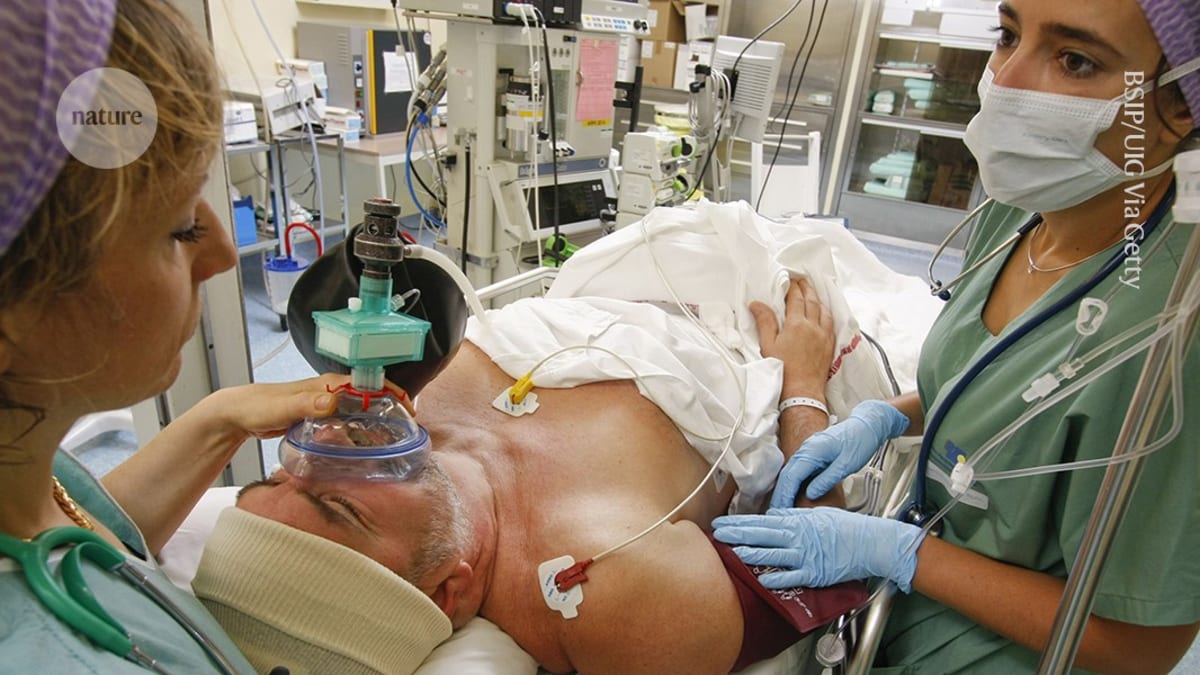
Scientists at Baylor College of Medicine discovered that people under general anesthesia continue processing complex language, even while completely unconscious. The hippocampus, a deep brain structure responsible for memory, stays active enough to understand grammar, distinguish parts of speech, and predict upcoming words in conversations.
Neurosurgeon Sameer Sheth and his team studied seven epilepsy patients during surgery while they were anesthetized with propofol. They played repetitive beeps with occasional different tones to three patients and watched their brain activity in real time.
Over ten minutes, the unconscious hippocampus got better at telling the sounds apart. This suggests the brain was learning, even without conscious awareness.
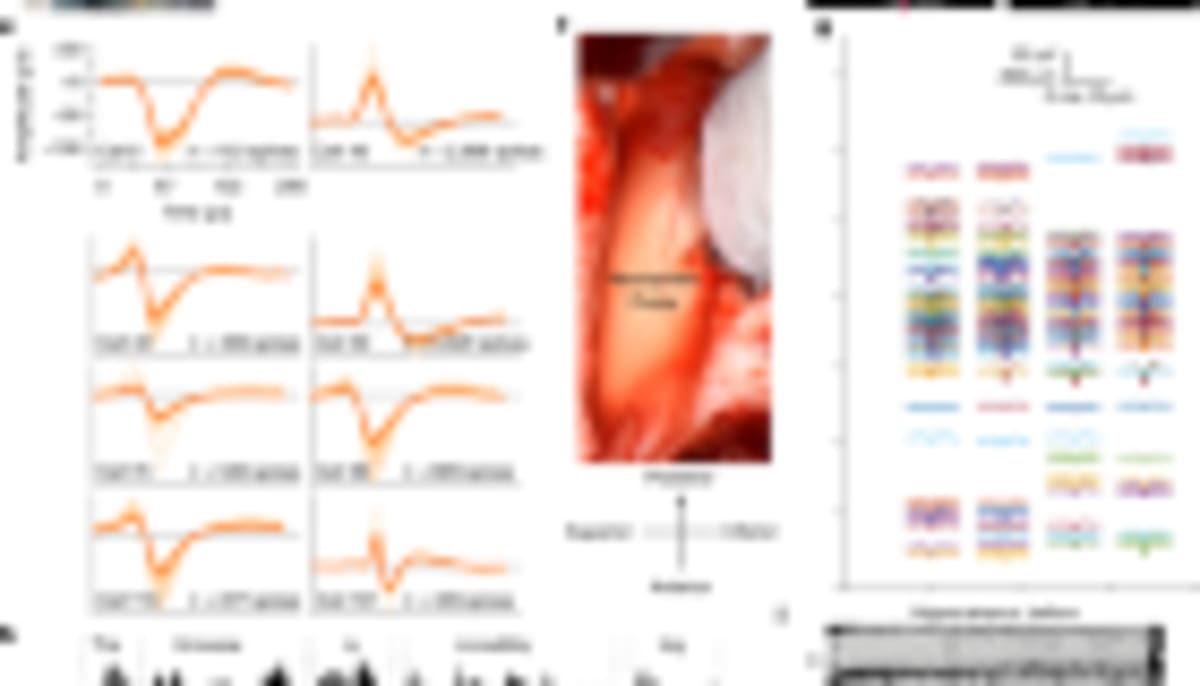
The researchers played podcast segments to four other participants and observed something remarkable. Specific neurons lit up for certain parts of speech, separating nouns from other words. Those same neurons anticipated what word would come next based on sentence context.
When the team compared these results to awake people doing the same listening task, both groups performed at similar levels. The unconscious brain processed language just as well as the conscious one.
This discovery challenges everything scientists thought about consciousness and complex thinking. Researchers previously knew that basic sensory areas could detect simple sounds during unconsciousness, but nobody expected deeper brain regions to handle sophisticated tasks like understanding meaning or forecasting future events.
Why This Inspires
This research opens new doors for understanding how our brains truly work. The discovery that sophisticated mental processes continue even when we're unconscious reveals just how powerful and resilient the human brain really is.
It also raises hopeful questions about patients in comas or minimally conscious states. If the anesthetized brain can process this much information, other unconscious patients might be taking in more than doctors realized.
The findings remind us that the brain has developed such amazing mechanisms for handling complex tasks that it can perform some without our awareness. These neural pathways are so well-established they run automatically, like breathing or a heartbeat.
This breakthrough could eventually help doctors better monitor consciousness levels during surgery and develop new ways to communicate with patients who can't respond. Understanding unconscious brain activity might also improve recovery strategies for people with brain injuries.
The research proves that even in our deepest rest, our minds keep working to make sense of the world around us.
More Images


Based on reporting by Google News - Health
This story was written by BrightWire based on verified news reports.
Spread the positivity!
Share this good news with someone who needs it