Mayo AI Detects Pancreatic Cancer 3 Years Early
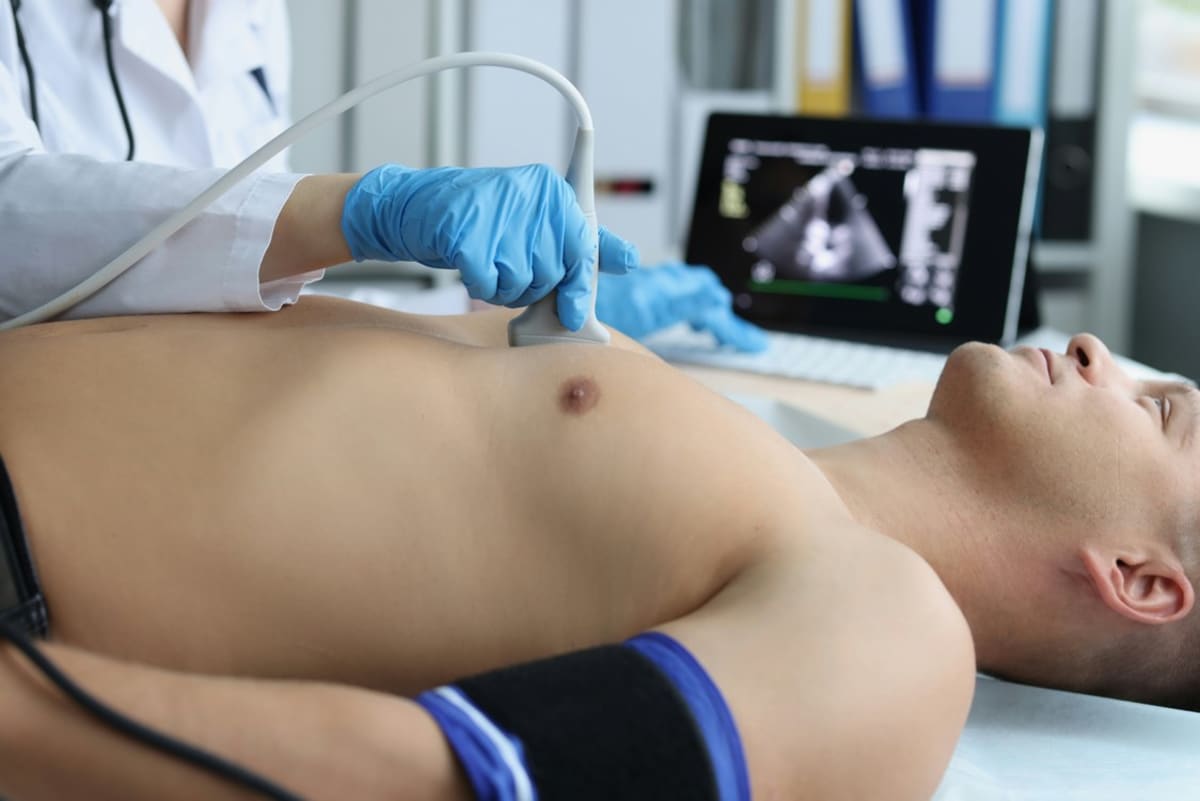
A new AI system from Mayo Clinic can spot pancreatic cancer on routine CT scans up to three years before doctors typically diagnose it, when the disease is still treatable. The breakthrough could transform survival rates for one of the deadliest cancers.
Imagine a world where one of the deadliest cancers could be caught years before it becomes life-threatening. Mayo Clinic just made that world a reality.
Researchers at Mayo Clinic developed an artificial intelligence system that detects pancreatic cancer on standard CT scans up to three years before traditional diagnosis. The AI spots subtle tissue changes invisible to the human eye, catching the disease when treatment can still save lives.
The stakes couldn't be higher. Pancreatic cancer kills more than 85% of patients within five years because it hides so well in early stages. By the time most people experience symptoms, the cancer has already spread beyond hope of a cure.
The new system, called REDMOD (Radiomics-based Early Detection Model), analyzed nearly 2,000 CT scans that doctors had originally read as normal. It identified 73% of cancers a median of 16 months before diagnosis, nearly double what specialists caught reviewing the same images.
The AI's advantage grows even stronger when looking further back. In scans taken more than two years before diagnosis, REDMOD spotted nearly three times as many early cancers that would otherwise slip past unnoticed.
"The greatest barrier to saving lives from pancreatic cancer has been our inability to see the disease when it is still curable," says Dr. Ajit Goenka, the study's senior author and a Mayo Clinic radiologist. The AI can now identify cancer's signature in a normal-looking pancreas, he explains, and do so reliably across different hospitals and imaging systems.
REDMOD measures hundreds of data points describing tissue texture and structure, detecting biological changes as cancer first emerges. The system analyzes CT scans already taken for other reasons, particularly useful for high-risk patients like those with new-onset diabetes.
Why This Inspires
This isn't theoretical research gathering dust in a lab. Mayo Clinic is already moving REDMOD into real-world testing through a program called AI-PACED (Artificial Intelligence for Pancreatic Cancer Early Detection). Doctors will use the system to monitor high-risk patients, combining AI analysis with long-term follow-up to refine the approach.
The research, funded by the National Institutes of Health and published in the journal Gut, represents years of work under Mayo Clinic's Precure initiative. That program aims to predict and prevent disease by catching the earliest biological changes before symptoms appear.
The validation study proved REDMOD works across multiple hospitals, imaging machines, and scanning protocols. For patients scanned multiple times, the AI produced consistent results months apart, supporting its reliability for ongoing monitoring.
Early detection transforms pancreatic cancer from a death sentence into a fighting chance, and this AI just opened that window three years wider than ever before.
Based on reporting by Good News Network
This story was written by BrightWire based on verified news reports.
Spread the positivity!
Share this good news with someone who needs it