Brain's Hidden Cleaners May Unlock Alzheimer's Treatment
Scientists have discovered that specialized brain cells called tanycytes act as cleanup crews, removing toxic tau protein before it can cause Alzheimer's disease. When these cells fail, tau builds up in the brain.
Scientists may have just found a missing piece in the Alzheimer's puzzle, and it comes from brain cells most researchers barely knew existed.
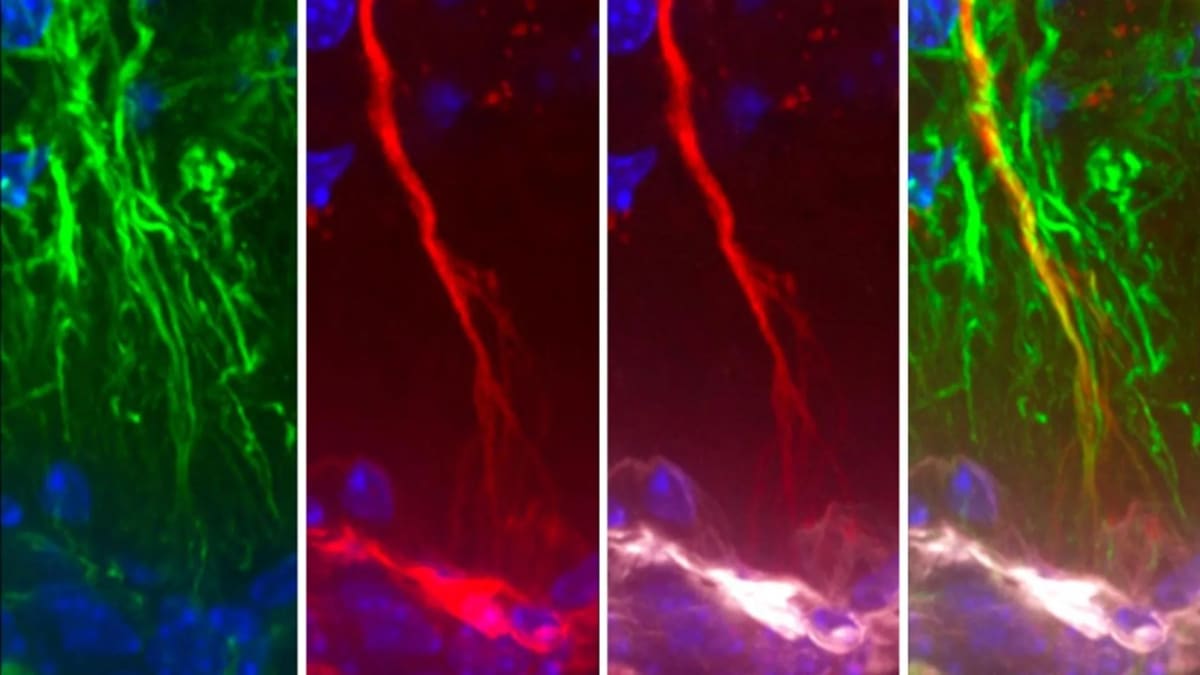
A team led by Vincent Prevot at INSERM in France discovered that tanycytes, specialized cells lining brain cavities, work like tiny garbage trucks. They transport toxic tau protein out of the fluid surrounding your brain and dump it into your bloodstream, where your body can safely eliminate it.
The breakthrough came when researchers examined brain tissue from Alzheimer's patients. They found the tanycytes were fragmented and damaged, unable to perform their cleanup duties. Without this removal system working properly, tau protein accumulates in the brain, forming the tangles that define Alzheimer's disease.
The research team didn't stop at human tissue samples. They tested their findings in rodent models and cellular studies, confirming that healthy tanycytes actively shuttle tau from cerebrospinal fluid into the blood. When the tanycytes failed, tau levels climbed.
"Our findings reveal a previously underappreciated, disease-relevant role for tanycytes in neurodegeneration," says Prevot. His team published their results March 5 in Cell Press Blue.
Tanycytes sit in the third ventricle of the brain, acting as gatekeepers between your bloodstream and cerebrospinal fluid. Scientists already knew these cells helped regulate metabolism signals, but nobody suspected they played a role in clearing toxic proteins.
The discovery opens a completely new avenue for Alzheimer's treatment. Instead of attacking tau directly, future therapies might focus on keeping tanycytes healthy and functional.
The Bright Side
This research represents a fundamental shift in how scientists understand Alzheimer's progression. For years, treatments focused on breaking down tau tangles or preventing their formation. Now researchers have identified a natural cleanup system that, if protected or restored, might prevent tau buildup before it starts.
The findings also explain why some people develop Alzheimer's while others don't, despite similar risk factors. Individual differences in tanycyte health could determine who maintains effective tau clearance throughout their lives.
Prevot acknowledges challenges ahead. Developing tanycyte-focused treatments requires better animal models of Alzheimer's and larger long-term human studies to confirm cause and effect. But the research provides the first evidence that these little-known cells undergo structural and functional changes in human disease.
The work received support from the European Research Council, National Institutes of Health, and several French research foundations, signaling strong institutional backing for this new direction.
For the millions of families touched by Alzheimer's, this discovery offers something precious: a fresh path forward when previous approaches have stalled.
Based on reporting by Science Daily
This story was written by BrightWire based on verified news reports.
Spread the positivity!
Share this good news with someone who needs it