Brain's "Rotten Egg" Gas May Unlock Alzheimer's Cure
Johns Hopkins scientists discovered that hydrogen sulfide, the gas that smells like rotten eggs, plays a crucial role in protecting memory and brain health. Mice lacking the protein that produces this gas developed Alzheimer's-like symptoms, opening a promising new path for treatment.
Scientists just found hope in the most unlikely place: a gas that smells like rotten eggs might hold the key to fighting Alzheimer's disease.
Researchers at Johns Hopkins Medicine discovered that a protein called CSE produces tiny amounts of hydrogen sulfide in the brain, and it turns out this smelly gas is essential for memory and protecting brain cells. When they studied mice lacking this protein, the animals developed memory loss, brain damage, and other hallmarks of Alzheimer's disease.
The findings represent a major breakthrough in understanding how our brains stay healthy. Dr. Bindu Paul, associate professor at Johns Hopkins, led the research team that compared normal mice with those lacking the CSE protein over several months.
At two months old, all the mice performed equally well on memory tests, finding their way through a maze in about three minutes. But by six months, mice without CSE struggled to remember the route while normal mice continued to succeed.
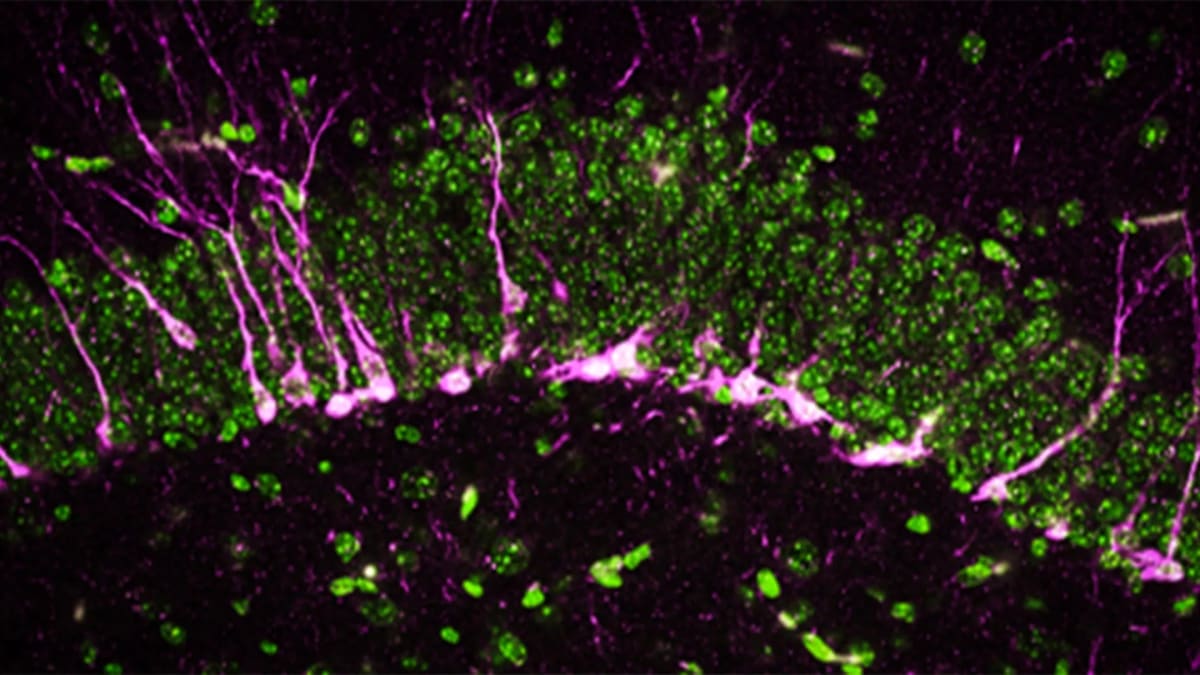
The brain changes went deeper than just memory. Scientists found that mice lacking CSE showed increased DNA damage, weakened blood vessel walls, and reduced formation of new neurons in the hippocampus, the brain region critical for learning and memory. Every change mirrored what doctors see in human Alzheimer's patients.
The discovery builds on 2021 research showing that very small injections of hydrogen sulfide helped protect brain function in mice with Alzheimer's. The challenge is that while trace amounts of this gas protect neurons, large amounts are toxic, making it unsafe to deliver directly to the brain.
Why This Inspires
More than 6 million Americans live with Alzheimer's disease, and that number keeps growing. Currently, no treatments can consistently stop or slow the disease's progression, leaving families desperate for solutions.
This research offers something genuinely new. Rather than targeting the disease after it develops, scientists now understand that boosting CSE activity might prevent brain damage before it starts. The National Institutes of Health recognized the potential, awarding new funding to advance this approach toward human treatment.
The team isn't just celebrating lab results. They're actively working to develop therapies that could safely maintain the extremely small levels of hydrogen sulfide naturally present in healthy neurons, potentially protecting millions from cognitive decline.
Sometimes the biggest medical breakthroughs hide in the smallest, smelliest packages.
Based on reporting by Science Daily
This story was written by BrightWire based on verified news reports.
Spread the positivity!
Share this good news with someone who needs it