Neuroscientist Reveals How to Upgrade Your Brain for AI Age
A Cambridge neuroscientist's new book shows how ancient brains can thrive in our rapidly changing world. Her research reveals simple daily habits that boost creativity, empathy, and mental flexibility without any technology required.
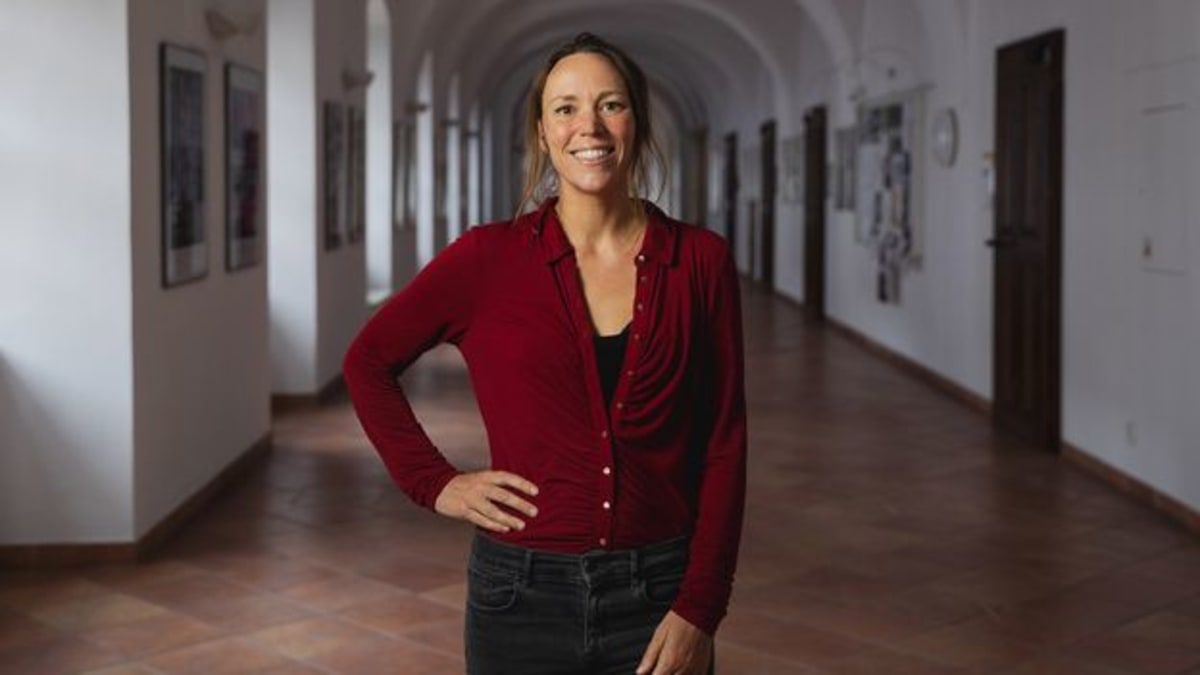
Your brain might be smaller than your Stone Age ancestors', but neuroscientist Hannah Critchlow has fantastic news: you can still train it to flourish in our AI-driven world.
Critchlow, a researcher at the University of Cambridge, wrote "The 21st Century Brain" to answer a pressing question. As artificial intelligence reshapes our lives, what overlooked human skills will matter most, and how can we strengthen them?
Her answer focuses on abilities that AI can't replicate: emotional intelligence, creativity, and the capacity to handle uncertainty. These aren't fixed traits we're born with but muscles we can build through surprisingly simple practices.
Take empathy, often dismissed as a "soft skill." Critchlow's research shows emotional intelligence predicts life satisfaction and academic success better than most other factors. Stanford psychologist Jamil Zaki found that practicing self-compassion creates a ripple effect, naturally extending empathy to others.
Even more remarkable is the gut-brain connection. French researcher Hilke Plassmann discovered that volunteers taking probiotics for just seven weeks became measurably more altruistic. Their diverse gut bacteria literally changed how generously they treated others by sending signals through the vagus nerve to decision-making brain regions.
For creativity, Critchlow points to an underused superpower: daydreaming. We spend 20% of our day mind-wandering, and that's when breakthrough ideas emerge.
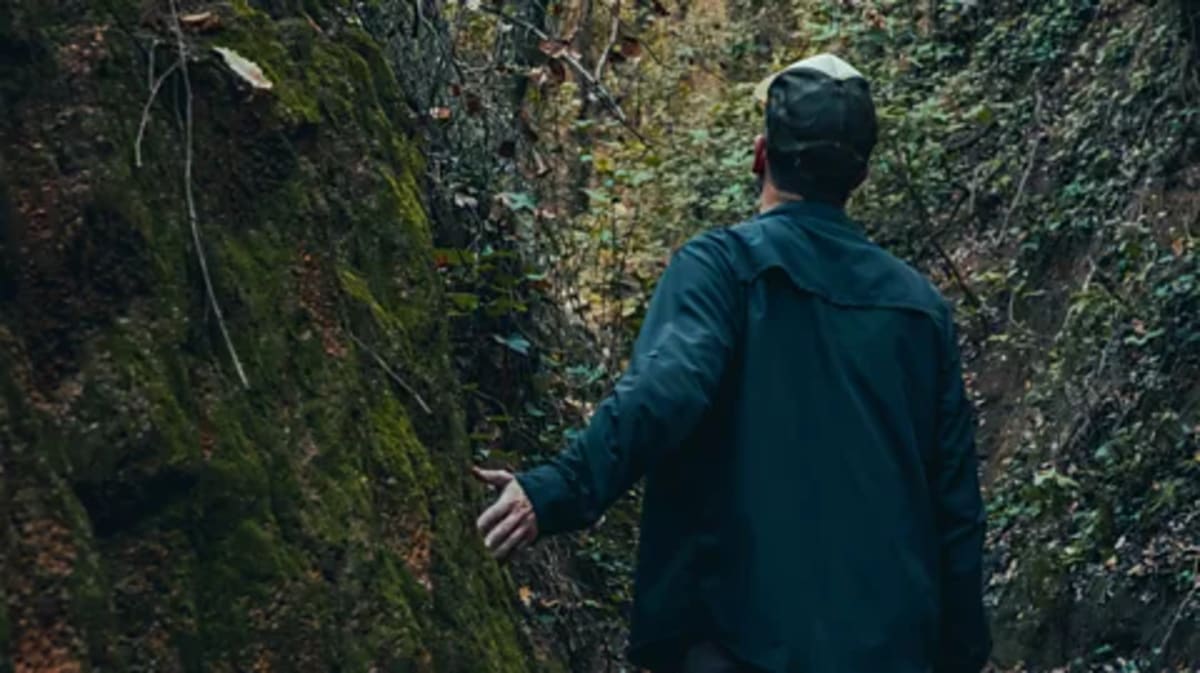
Walking in nature amplifies this effect by increasing alpha waves, the brain's electrical patterns associated with calm creativity. The difference between Mozart or Ada Lovelace and the rest of us is "only one of slight degree," Critchlow argues.
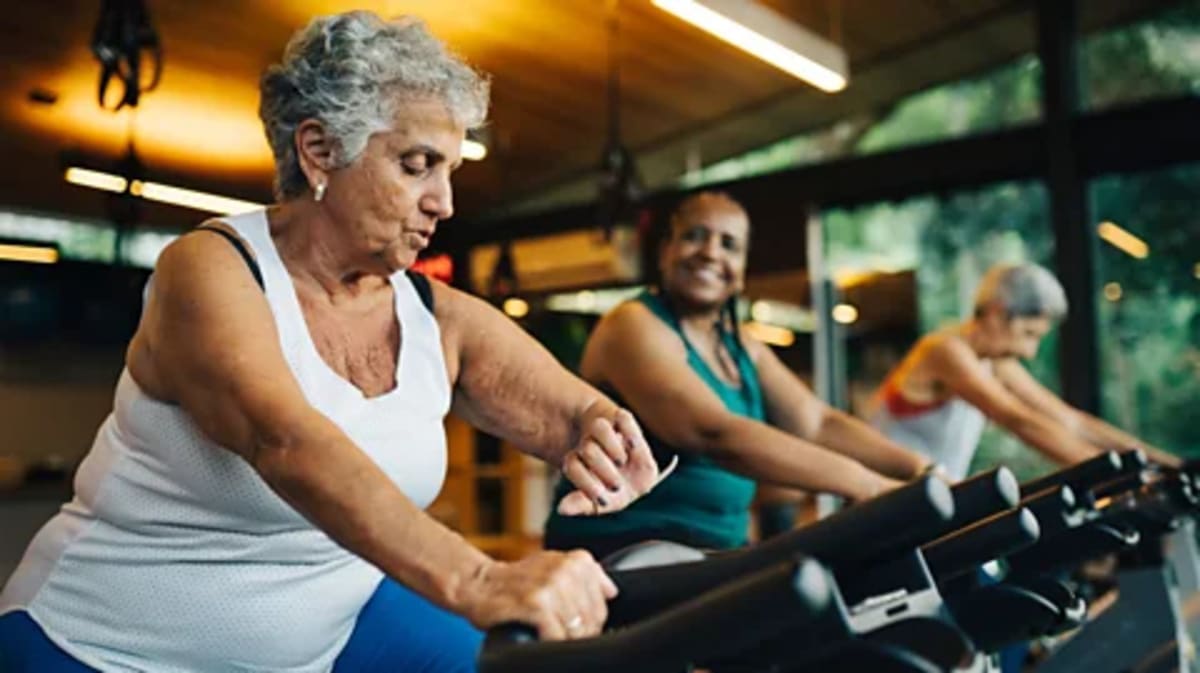
She wrote the book for three generations: herself navigating middle age, her aging parents maintaining brain health, and her 10-year-old son preparing for an uncertain future. The same neuroscience that built AI can unlock our own organic potential.
Why This Inspires
Critchlow's work reminds us that human intelligence isn't about competing with machines. While AI excels at processing information, our brains evolved for connection, imagination, and navigating ambiguity. These uniquely human capacities become more valuable, not less, as technology advances.
The tools for strengthening them are refreshingly low-tech: showing ourselves kindness, eating fermented foods, taking nature walks. No expensive upgrades required, just intentional cultivation of what makes us beautifully, irreplaceably human.
In an age of rapid change, our ancient brains hold untapped potential waiting to be unleashed.
More Images
Based on reporting by Google News - Science
This story was written by BrightWire based on verified news reports.
Spread the positivity!
Share this good news with someone who needs it