Sudoku Triggered Seizures, Crosswords Didn't. Here's Why
After an avalanche left him oxygen-deprived, a 25-year-old's unique way of solving Sudoku puzzles triggered seizures in his left arm. Doctors discovered his 3D visualization technique activated the exact brain region damaged by his injury.
A ski trip in 2008 changed everything for a 25-year-old German student when an avalanche buried him for 15 minutes. His friend pulled him from the snow and performed CPR, saving his life but not before oxygen deprivation damaged his brain.
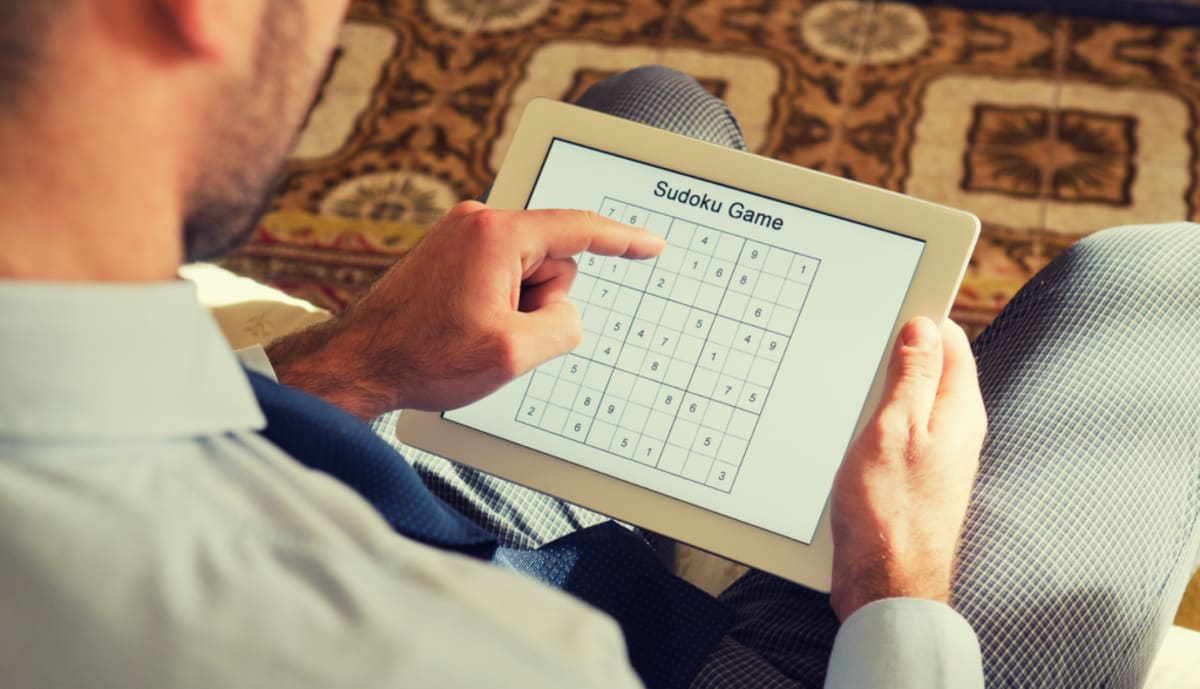
Weeks later at a rehabilitation center, he picked up a Sudoku puzzle to pass the time. His left arm immediately started seizing. The moment he put the puzzle down, the seizures stopped.
Dr. Berend Feddersen, a neurologist at the University of Munich, had never encountered anything like it. There were no documented cases of Sudoku-triggered seizures in medical literature.
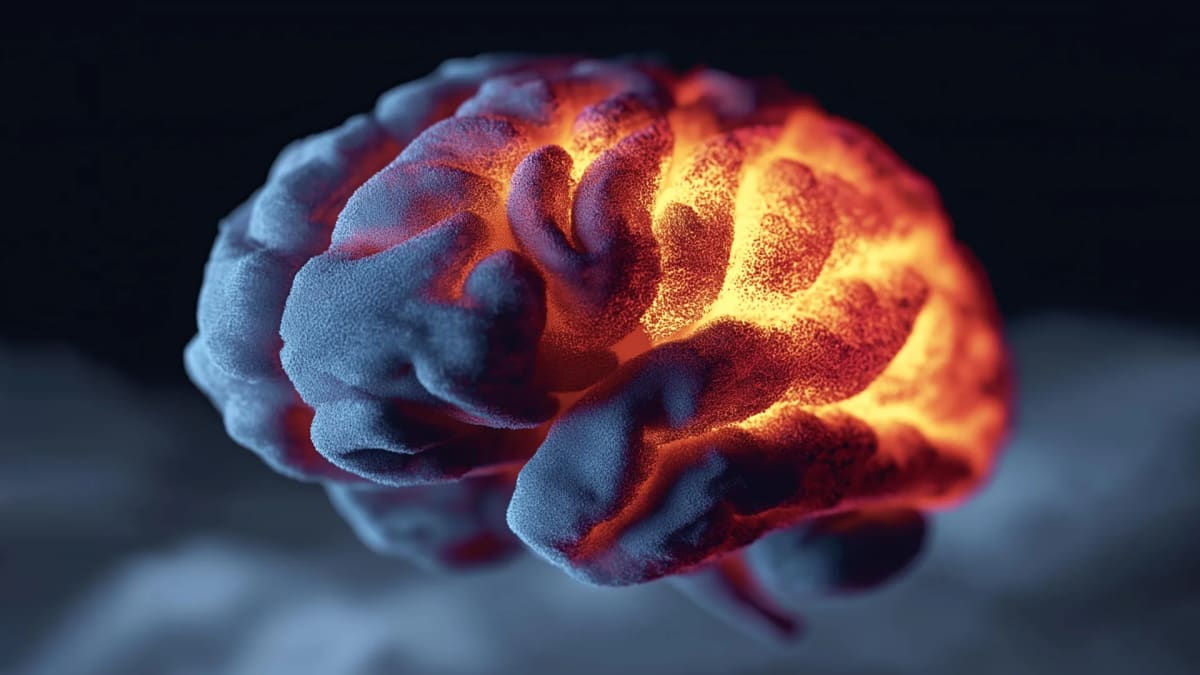
Brain scans revealed the answer. The avalanche had damaged U fibers in the right centroparietal region, the part of the brain that regulates neural activity. Without these inhibitory neurons working properly, certain mental tasks could overwhelm his brain.
But why Sudoku specifically? The key was how this particular patient solved the puzzles. Unlike most people who use trial and error, he visualized the numbers arranged in three dimensions around a central point in his mind.
That exact mental process activated the damaged part of his brain. Functional MRI confirmed overactivation of his right central parietal cortex during gameplay, triggering what doctors call reflex epilepsy.
The specificity was remarkable. Reading, writing, and basic math caused no problems. Crossword puzzles were completely safe. But chess and card games also triggered seizures, likely because they required similar spatial thinking.
Around four to seven percent of epilepsy patients experience reflex seizures triggered by specific activities like bathing, reading, or playing games. This case stood out because the trigger was so precise: one type of puzzle solved one particular way.
Why This Inspires
This man's story shows how our brains adapt and find workarounds when faced with limitations. He didn't get to keep Sudoku, but he kept crosswords. He couldn't use his old problem-solving strategy, so he learned new ones.
Doctors prescribed anti-epileptic medication, and he stopped playing Sudoku entirely. By 2015 when Feddersen published the case, the patient had been seizure-free for over five years.
He built a new career as a journalist, working around remaining difficulties with speech and walking. His brain found new pathways forward, even when the old ones were blocked.
Sometimes healing means accepting what we've lost while discovering what remains possible.
More Images



Based on reporting by Upworthy
This story was written by BrightWire based on verified news reports.
Spread the positivity!
Share this good news with someone who needs it