Brazil and IARC Partner to Advance Global Cancer Research
Two major health organizations just joined forces to accelerate cancer research and save more lives worldwide. The agreement between Brazil's leading health institute and an international cancer agency promises to transform how countries tackle this global challenge together.
Brazil's top health research foundation and the world's leading cancer research agency just made fighting cancer a whole lot easier for countries everywhere.
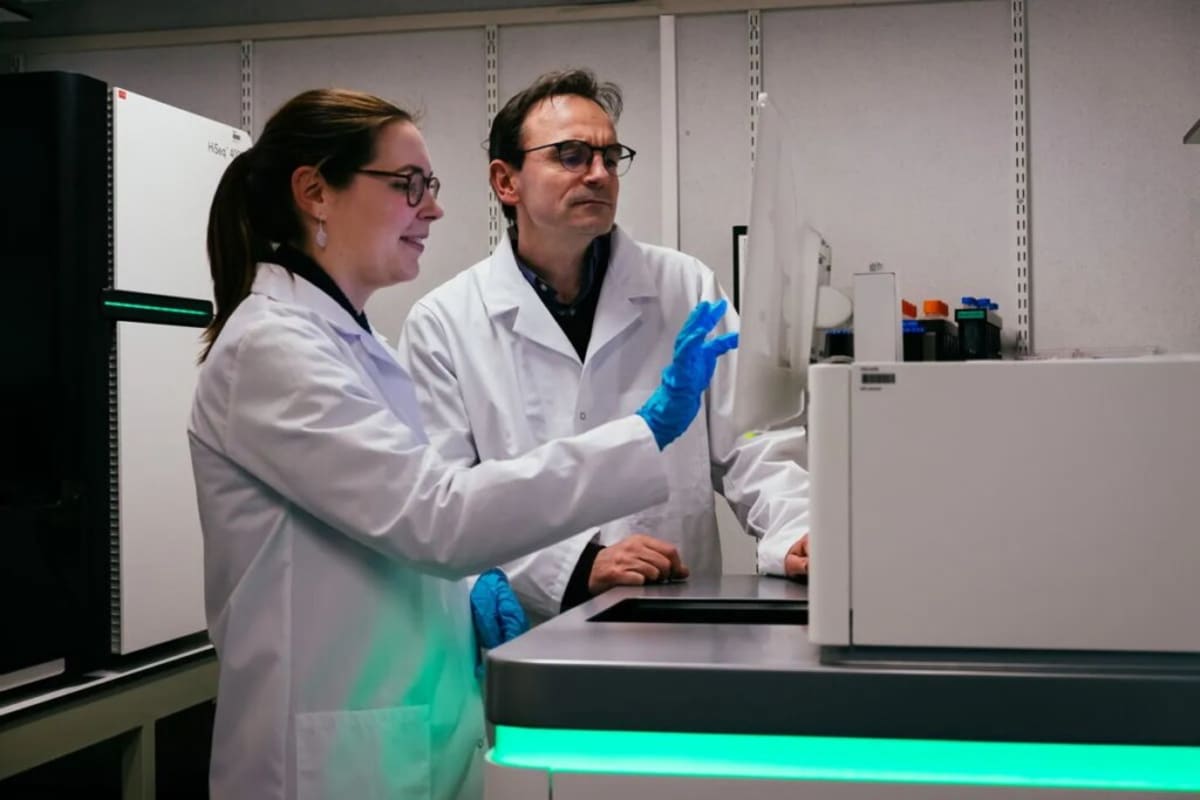
The International Agency for Research on Cancer (IARC) and Brazil's Fundação Oswaldo Cruz (Fiocruz) signed a historic partnership agreement this week in Rio de Janeiro. The deal creates a new framework for scientists from both institutions to work side by side on groundbreaking cancer research projects.
Dr. Elisabete Weiderpass, who leads IARC, and Dr. Priscila Ferraz Soares, Vice President of Fiocruz, formalized the partnership with Brazil's Minister of Health Alexandre Padilha watching. His presence signals how seriously Brazil takes this collaboration.
The partnership tackles four key areas. Researchers from both organizations will now co-develop studies on cancer prevention and treatment. Scientists will exchange knowledge through academic visits and joint training programs. Their findings will reach more people through coordinated publications. Most importantly, governments worldwide will get better data to shape health policies that actually work.
This matters because cancer doesn't respect borders. When research institutions in different countries pool their resources and expertise, breakthroughs happen faster. Brazil brings decades of experience in public health innovation and serves populations that are often underrepresented in global research. IARC contributes its network of cancer experts from around the world and specialized research facilities.
The Ripple Effect
This partnership extends far beyond two institutions sharing notes. When a major research foundation in Latin America's largest country teams up with the global authority on cancer research, entire regions benefit.
Brazil's health system serves over 200 million people, giving researchers access to diverse population health data that can reveal patterns other studies might miss. Solutions developed through this partnership could reshape cancer prevention strategies across Latin America, Africa, and Asia, where healthcare systems face similar challenges.
Other countries watching this collaboration now have a model for international health partnerships that prioritize shared learning over competition. The agreement shows how pooling scientific talent and resources creates wins for everyone involved.
Future cancer patients around the world just got a stronger team working on their behalf.
Based on reporting by Google: cooperation international
This story was written by BrightWire based on verified news reports.
Spread the positivity!
Share this good news with someone who needs it