Brazil and India Partner on Dairy Genomics Innovation
A groundbreaking 10-year collaboration between Brazilian and Indian companies will transform dairy farming through advanced genetic technologies. The partnership opens new markets while accelerating sustainable milk production in two of the world's largest agricultural nations.
Brazil's agricultural research giant Embrapa just signed a deal that could revolutionize dairy farming across two continents while proving that scientific cooperation knows no borders.
On December 8, Embrapa brought together five companies from Brazil and India in a historic 10-year agreement focused on genomic technologies for dairy cattle. Three Indian firms specializing in genetics, analytics, and sustainable dairy farming joined forces with two Brazilian companies known for embryo production and genetic improvement.
The partnership marks the first technical cooperation between the two countries in cutting-edge animal breeding. It builds on a memorandum signed between Embrapa and India's Council of Agricultural Research just months earlier.
Here's what makes this collaboration special: Brazil brings decades of expertise in genomics, bioinformatics, and reproductive biotechnologies to the table. India contributes access to vast genetic databases of native breeds and one of the world's largest dairy markets.
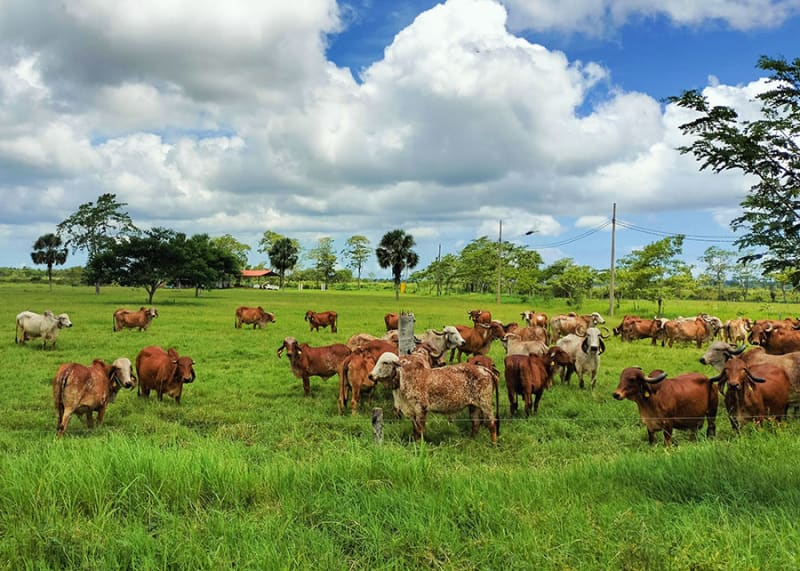
The initial focus targets Zebu breeds, particularly dairy Gyr, Sindhi, and Sahiwal cattle. Embrapa will help establish a genomics laboratory in India and provide training to accelerate the selection of superior animals, potentially helping India reach its ambitious goal of 330 million tons of milk annually by 2034.
The Ripple Effect
This partnership creates wins on both sides of the globe. Brazilian companies gain access to India's enormous market for semen and embryo exports, opening economic opportunities that didn't exist before.
Indian dairy farmers will receive genetic material developed specifically for their needs, boosting productivity sustainably. The collaboration also addresses a critical challenge in any breeding program: inbreeding.
By increasing genetic variability in Brazilian dairy Gyr cattle through access to Indian databases, the partnership reduces health risks and strengthens both countries' herds. It's a perfect example of how sharing scientific advances creates mutual benefits.
The agreement extends beyond livestock too. The institutions committed to joint projects in climate adaptation, biotechnology, nanotechnology, digital agriculture, and artificial intelligence.
Embrapa president Silvia Massruhá noted that while livestock is the starting point, the cooperation's scope reaches far broader. The partnership strengthens Embrapa's position as a global leader in tropical agriculture while opening new scientific frontiers.
For researcher Marcos Vinícius Silva, the collaboration positions Brazilian genomics as essential for sustainable cattle farming worldwide, proving that innovation thrives when nations choose cooperation over competition.
Based on reporting by Google News - Brazil Innovation
This story was written by BrightWire based on verified news reports.
Spread the positivity!
Share this good news with someone who needs it