Brazil Cattle Study Cuts Methane 50% While Boosting Output
A new feed additive slashed methane emissions from cattle in half while making them grow more efficiently. The breakthrough could transform beef production in the world's largest cattle market.
Cattle are finally getting a climate upgrade, and the results just proved it works in the real world.
A groundbreaking 120-day study in Brazil showed that adding a simple supplement to cattle feed cut methane emissions by more than half while actually improving how efficiently the animals converted feed into weight. For an industry often blamed for climate problems, this is the kind of win that changes everything.
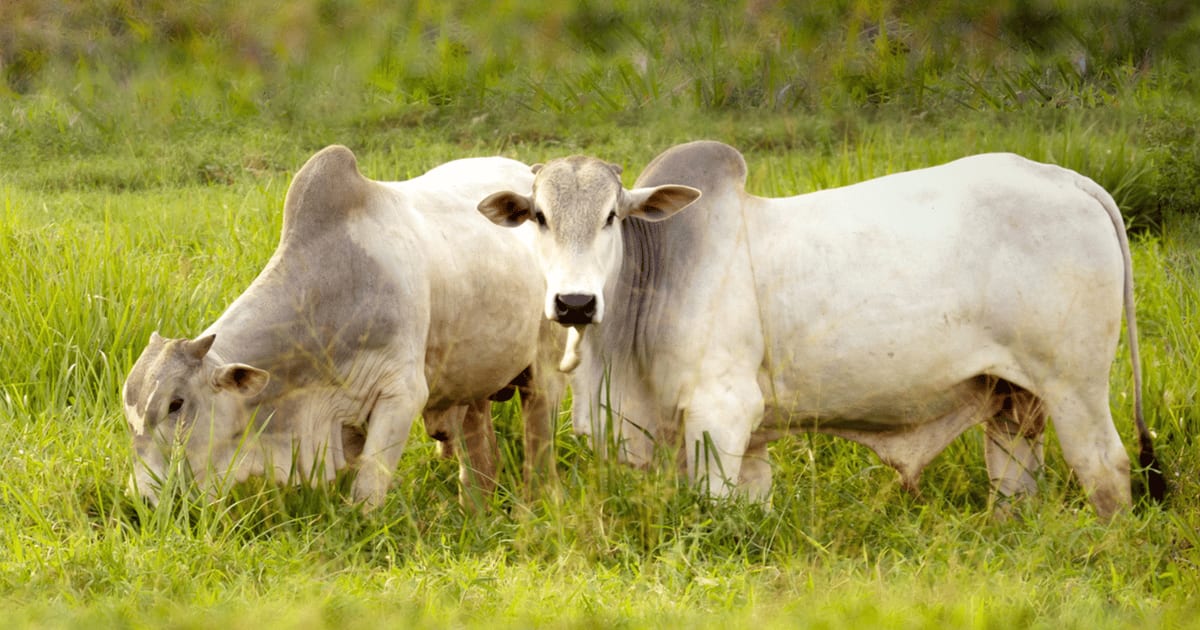
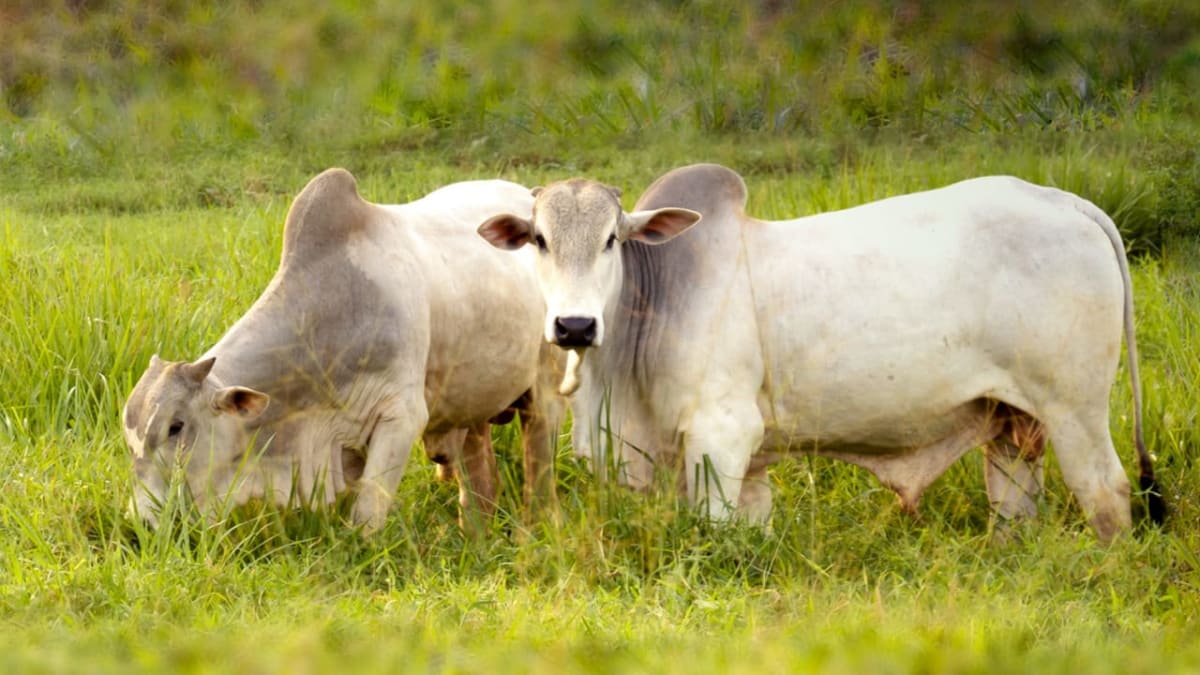
Minerva Foods, South America's leading beef exporter, partnered with Australian climate tech company Rumin8 to test the additive on Nellore cattle under real feedlot conditions. The University of São Paulo's agriculture college ran the rigorous study to make sure the results were credible.
The numbers tell an impressive story. Cattle receiving the additive produced 50.4% less methane and converted their feed 5% more efficiently than animals eating the same diet without it. That means less greenhouse gas and less food wasted to produce the same amount of beef.
The study measured methane intensity per kilogram of weight gain, which dropped from 77.2 grams to just 39.6 grams. Over the trial period, the team prevented nearly 30 metric tons of carbon dioxide equivalent from entering the atmosphere while simultaneously reducing feed costs.
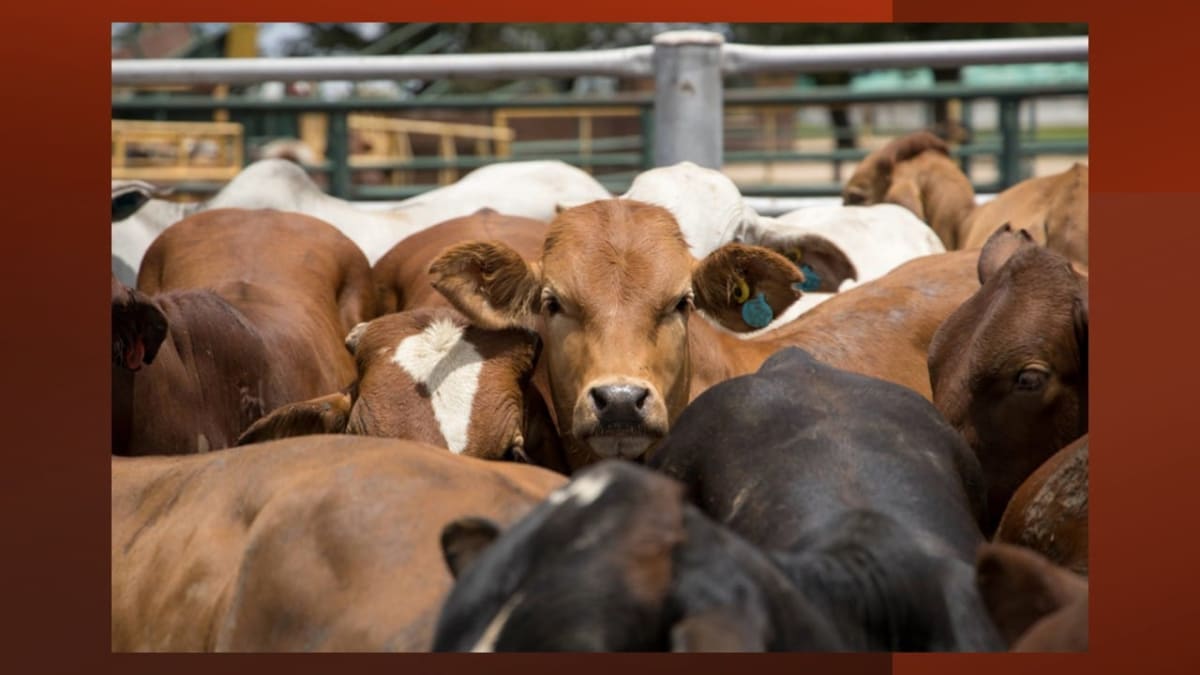
Two groups participated in the experiment. Eighty bulls lived in individual pens where researchers could precisely measure every bite of food and puff of methane. Another 200 bulls ate together in collective pens that mimicked how commercial feedlots actually operate, proving the additive works at scale.
The cattle ate a typical Brazilian finishing diet of 12% roughage and 88% concentrate, mostly ground corn. Researchers tracked their food intake daily and weighed them throughout the trial to measure real-world performance.
The Ripple Effect
Brazil manages the world's largest commercial cattle herd, making it the perfect testing ground for solutions that could reshape global beef production. If this additive reaches commercial scale, it could slash emissions from millions of animals while helping farmers produce more food with less input.
Independent carbon certification companies are now verifying the results, bringing the technology closer to widespread use. Rumin8 is already working toward commercialization in Brazil, with potential applications for grass-fed cattle and other livestock feeding systems worldwide.
The collaboration shows what happens when food companies, tech innovators, and research institutions tackle climate challenges together instead of pointing fingers. Minerva Foods employs over 30,000 people across South America and Australia, giving them the reach to spread proven solutions quickly.
The science behind the additive uses pharmaceutical technology to interrupt methane production in the animal's digestive system without harming the cattle or changing the meat. Rumin8's approach delivers nature-derived ingredients that work with the animal's biology rather than against it.
Researchers at the university called the additive one of the most promising methane mitigation strategies they've evaluated, combining environmental benefits with improved production efficiency in a way few solutions manage.
A win for the climate that also makes farming more profitable is the kind of innovation the world needs more of.
More Images
Based on reporting by Google News - Emissions Reduction
This story was written by BrightWire based on verified news reports.
Spread the positivity!
Share this good news with someone who needs it