Brazil Challenges China's Rare Earth Monopoly
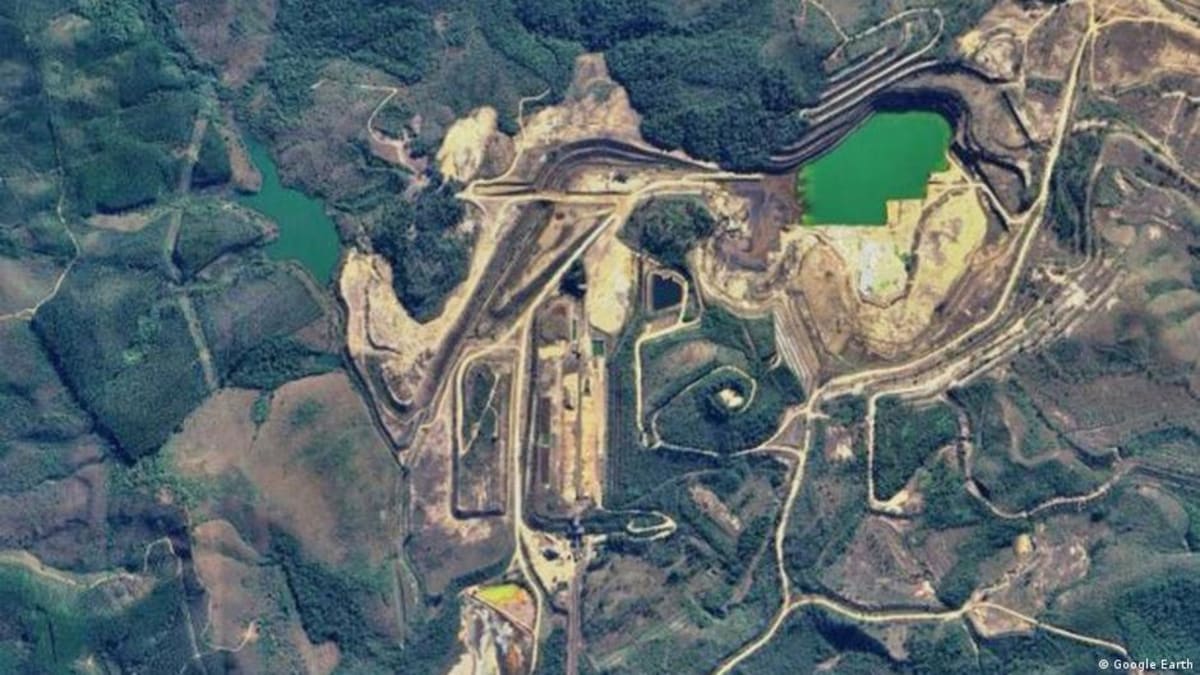
Brazil is rapidly becoming the world's next rare earth mining powerhouse, with over 2,700 projects underway to extract minerals critical for electric vehicles, wind turbines, and AI technology. The South American nation holds the planet's second-largest reserves and could finally break China's 90% stranglehold on global production.
Deep beneath Brazil's soil lies treasure that could reshape the future of clean energy and technology worldwide.
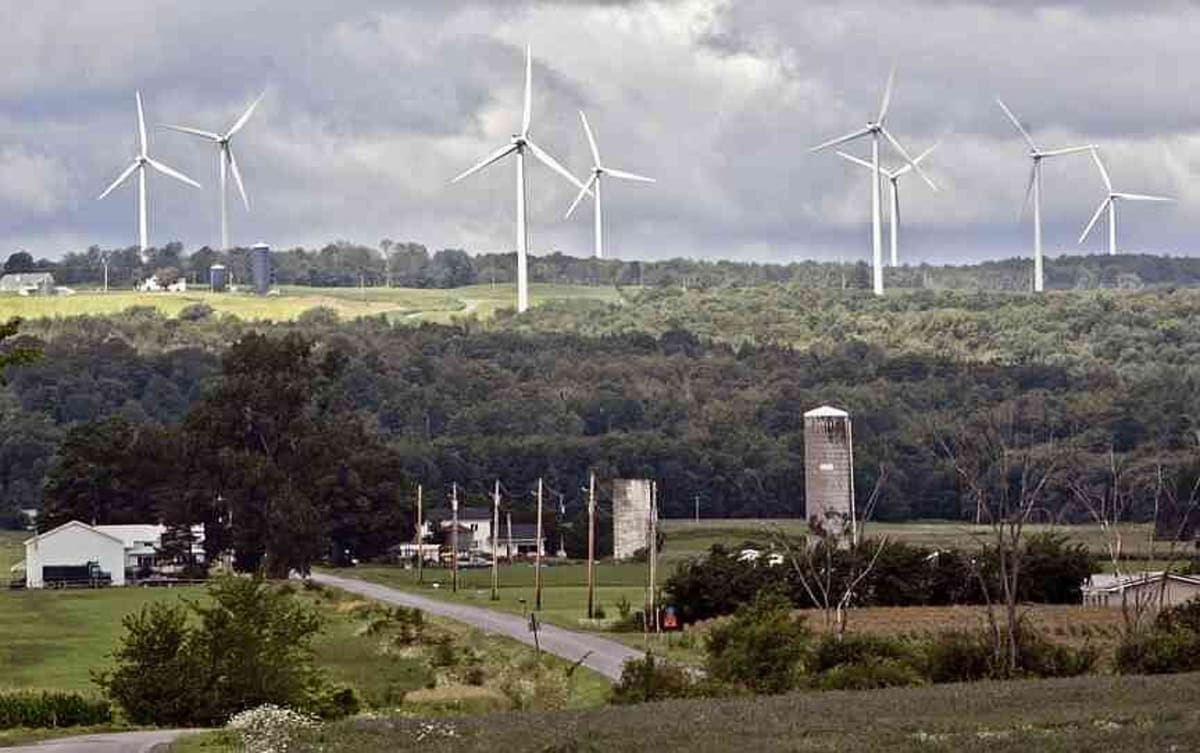
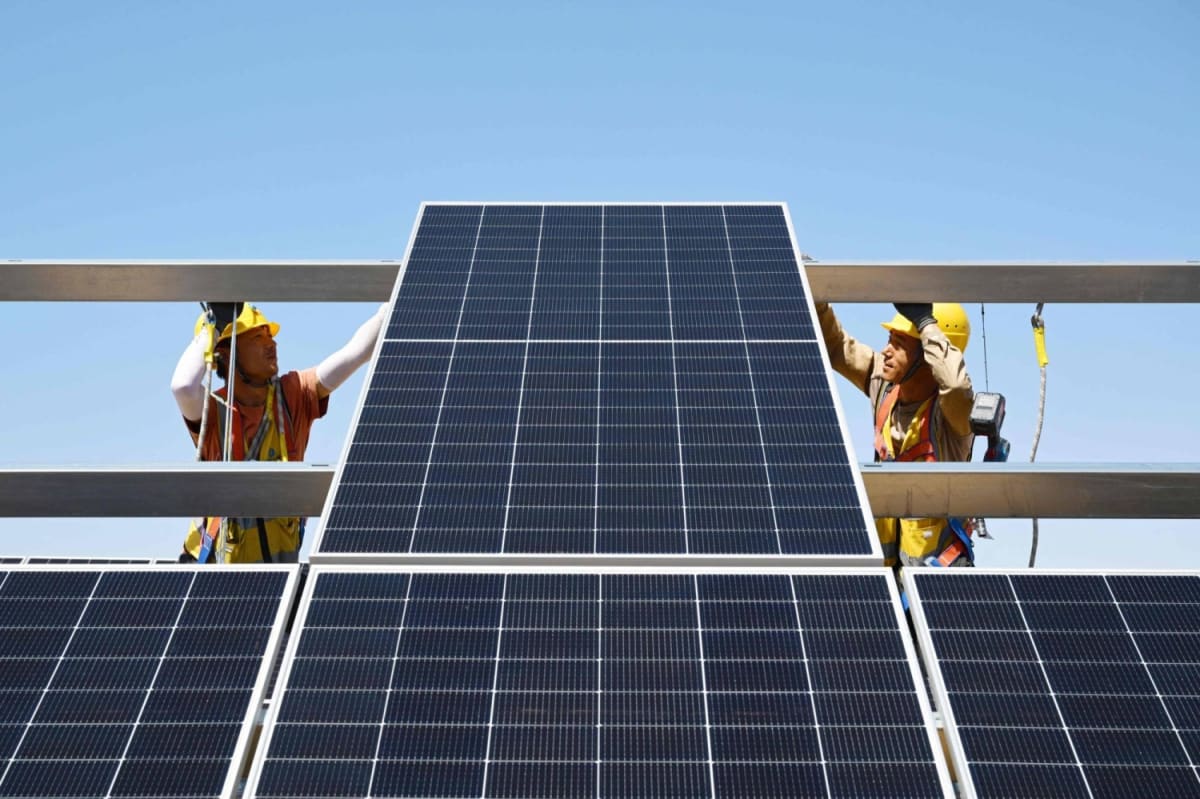
The country is experiencing an unprecedented mining boom, but not for gold or diamonds. Companies are rushing to extract rare earth elements, the essential ingredients in electric vehicle motors, wind turbines, and the massive data centers powering artificial intelligence. Brazil's National Mining Agency is now reviewing 2,758 rare earth projects. To put that in perspective, only 250 applications were filed in the entire period between 1975 and 2020.
"The next big rare earth projects in the world will be in Brazil," says Andrew Tunks, CEO of Australian mining company Meteoric Resources. His company is investing heavily in the Caldeira project in Minas Gerais state, believed to be the world's largest ionic clay deposit containing the heavy rare earths needed for high-performance magnets.
Brazil holds 21 million tons of rare earth reserves, second only to China's 44 million tons. But unlike its Asian competitor, Brazil is just beginning to tap its potential.
The stakes couldn't be higher. China currently controls over 90% of global rare earth refining and 95% of permanent magnet production. When China imposed export controls during recent trade disputes, electronics manufacturers worldwide felt the squeeze immediately.
The Ripple Effect
Companies are betting big on Brazil's potential. In April, USA Rare Earths acquired Brazil's only active rare earth mine for $2.8 billion, securing a 15-year supply agreement with several US government agencies. Stock prices for companies investing in Brazilian rare earth mining have jumped between 65% and 122% over the past year.
Brazil has natural advantages that could accelerate its rise. Around 73% of the country's deposits consist of ionic clay formations, where weathering has already partially processed the minerals, making extraction easier and cheaper. The country's abundant renewable energy and water resources give it an edge over competitors like Australia, where electricity costs are high and water is scarce.
"Our mine in Brazil runs entirely on renewable energy, and electricity is cheap," Tunks explains. "You simply don't have that in Australia."
The transformation won't happen overnight. Mining could ramp up relatively quickly, but building domestic processing and manufacturing capabilities will take years. Brazil has historically exported raw materials rather than refining them, leaving value on the table.
Still, the momentum is undeniable. As global demand for rare earths is projected to grow by a third by 2030 driven by electric vehicles and renewable energy, Brazil is positioning itself as a critical alternative to Chinese dominance. Countries worldwide are watching closely, hoping this South American giant can deliver on its promise and create a more balanced global supply chain.
The future of clean energy may well be written in Brazilian soil.
Based on reporting by DW News
This story was written by BrightWire based on verified news reports.
Spread the positivity!
Share this good news with someone who needs it