Egypt Turns Carbon Cuts Into Valuable New Export Commodity
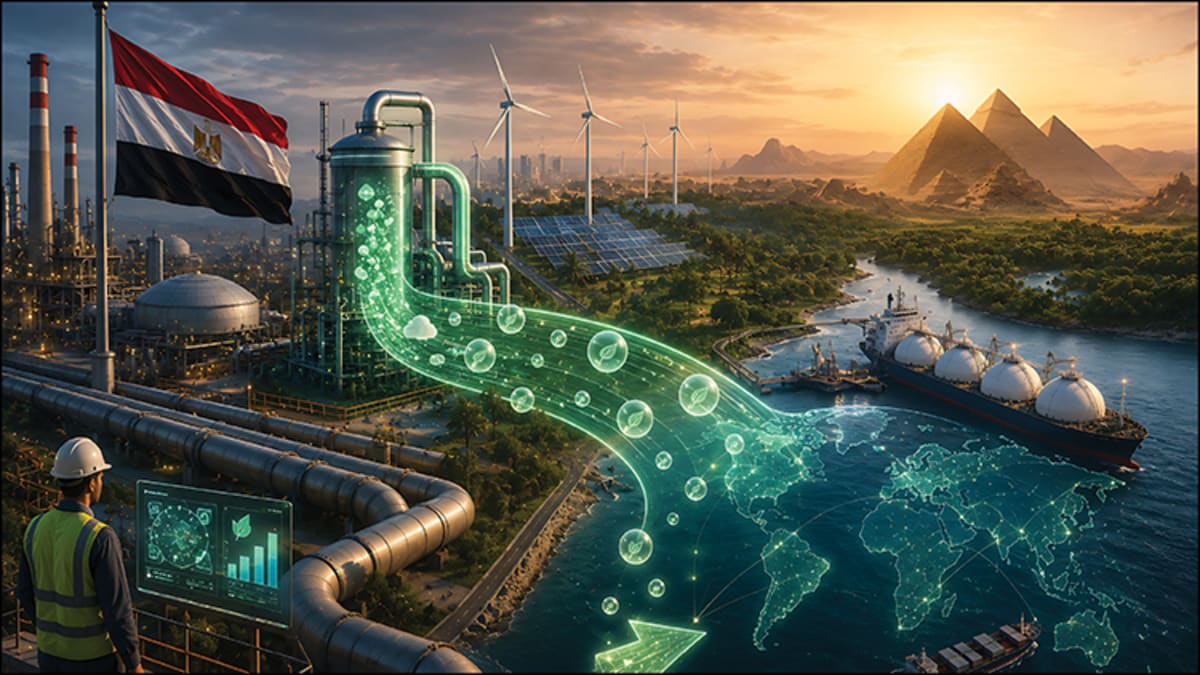
Egypt is transforming invisible emissions reductions into a new export commodity, positioning itself to profit from the global carbon market. With major renewable energy investments and Africa's first large-scale carbon capture projects, the country is building a climate economy that could rival its traditional oil and gas revenues.
For the first time in decades, Egypt's most valuable export might be something you can't see, touch, or ship in a tanker.
The country is racing to turn carbon reductions into cold, hard cash. As governments and corporations worldwide scramble to meet climate targets, they're buying carbon credits from countries that can prove they've cut emissions. Egypt sees an opportunity to become a major player in this invisible but increasingly valuable market.
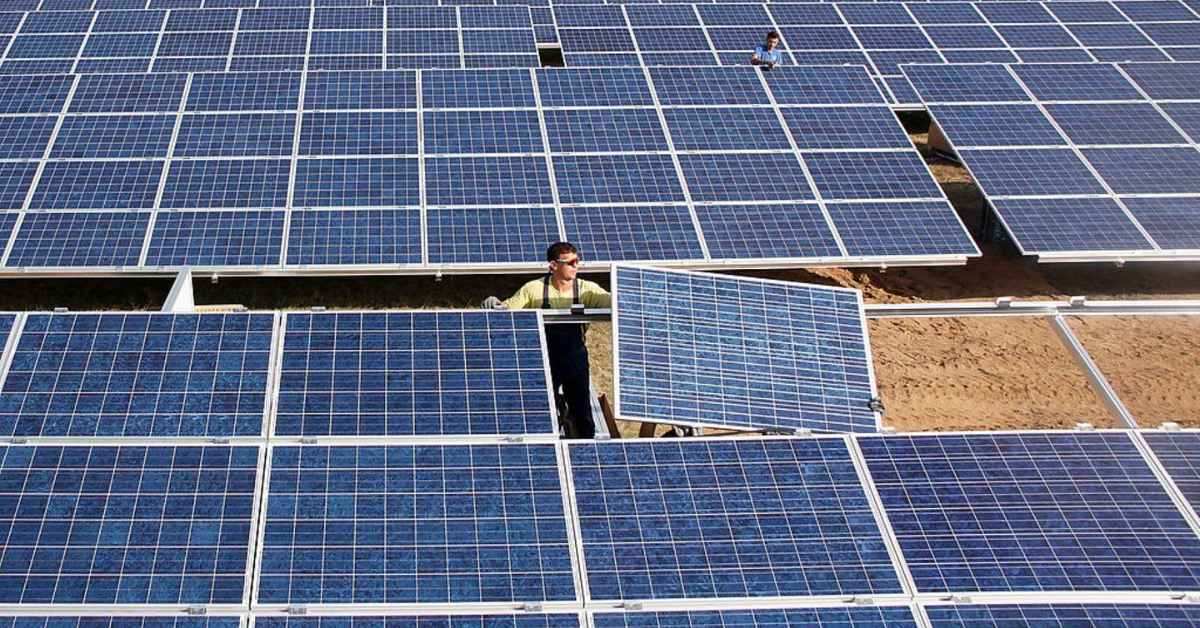
The numbers tell the story. Egypt signed $1.8 billion in renewable energy deals in early 2026 alone, covering massive solar projects and battery storage. The government aims to generate 42% of electricity from renewables by 2030 and over 60% by 2040. Every megawatt of clean energy means emissions avoided, and emissions avoided can now be sold.
The Egyptian Climate Exchange has established one of the region's first regulated carbon markets, creating a platform where emissions cuts become tradable assets. Think of it like this: when Egypt builds a solar farm instead of burning gas, those avoided emissions can be verified, packaged as carbon credits, and sold to companies abroad trying to offset their own pollution.
But renewable energy is just the beginning. Egypt's fastest wins might come from something less glamorous: fixing methane leaks in its oil and gas infrastructure.
Methane traps 80 times more heat than carbon dioxide over 20 years, making every leak captured enormously valuable. When Egypt's energy sector repairs leaks and reduces flaring, it accomplishes two things at once. It cuts one of the most damaging greenhouse gases while preserving natural gas that can be sold or used domestically.
Perhaps the boldest move is happening in carbon capture. During EGYPES 2025, Misr Fertilizers Production Company signed a $220 million deal to capture 150,000 tons of carbon dioxide annually. Instead of releasing CO2 into the atmosphere, the facility will trap it and either store it underground or use it in industrial processes. It's one of Africa's first large-scale carbon capture projects.
The Ripple Effect
This shift reaches far beyond climate benefits. Egypt's industrial sector, including cement, fertilizers, and petrochemicals, can produce low-carbon versions of everyday products. Global buyers increasingly demand materials with lower embedded emissions throughout supply chains. Egyptian manufacturers who cut carbon can charge premium prices or access markets that exclude high-emission competitors.
Green hydrogen represents another frontier. The government's 100-megawatt facility in Ain Sokhna signals Egypt's intention to export this ultra-clean fuel to Europe and beyond. Every kilogram of green hydrogen produced with renewable energy replaces fossil fuels somewhere else in the world, creating more carbon credits.
Carbon pricing mechanisms already cover nearly a quarter of global greenhouse gas emissions, and that percentage keeps climbing. Countries that position themselves early as reliable suppliers of emissions reductions stand to benefit as prices rise and demand intensifies.
Egypt is betting that the invisible commodity of avoided emissions could eventually generate foreign currency revenues comparable to the oil and gas that built its economy.
Based on reporting by Google News - Emissions Reduction
This story was written by BrightWire based on verified news reports.
Spread the positivity!
Share this good news with someone who needs it