Saudi Arabia Doubles Women's Work Rate, Cuts Oil Reliance
Saudi Arabia just reported major progress on its decade-long reform plan, with women's workforce participation doubling since 2017 and the economy shifting dramatically away from oil dependence. The country's planning minister shared measurable wins in renewable energy, healthcare, and water security at the UN this week.
Saudi Arabia stood at a crossroads ten years ago and chose bold reform over the status quo. Now the results are in, and they show real transformation across the Kingdom.
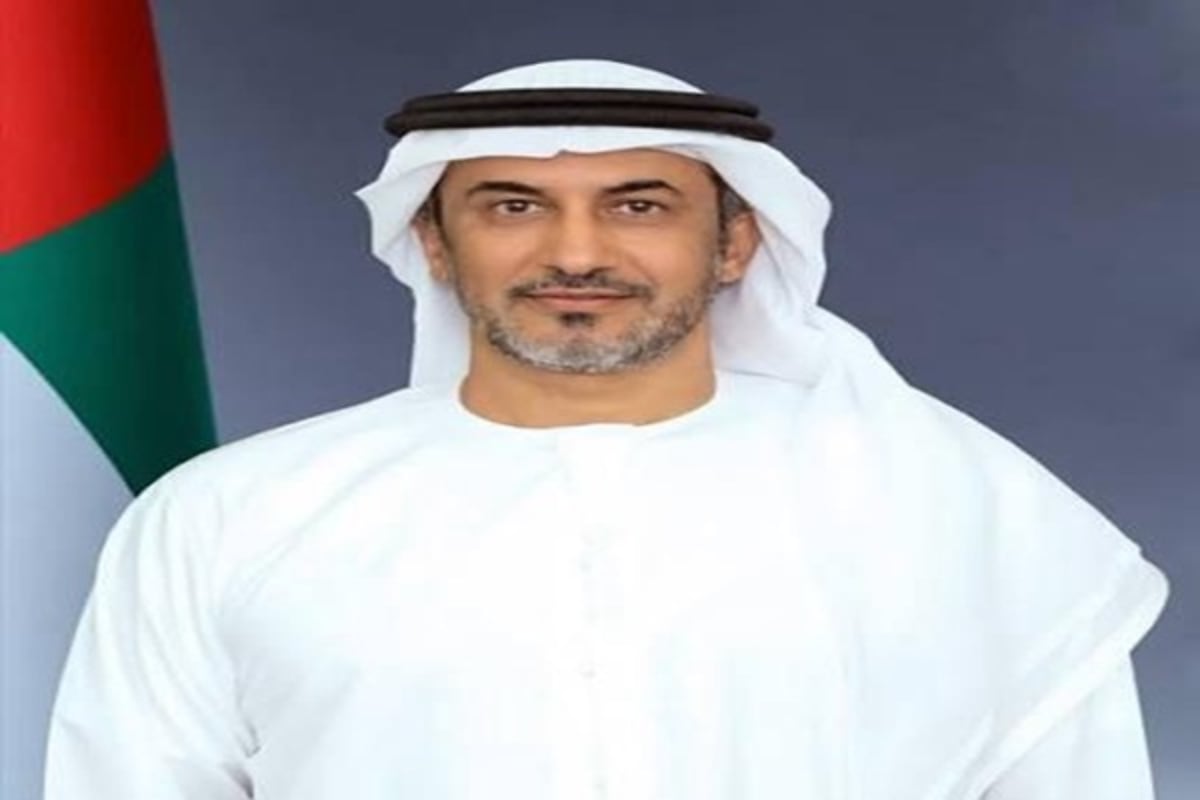
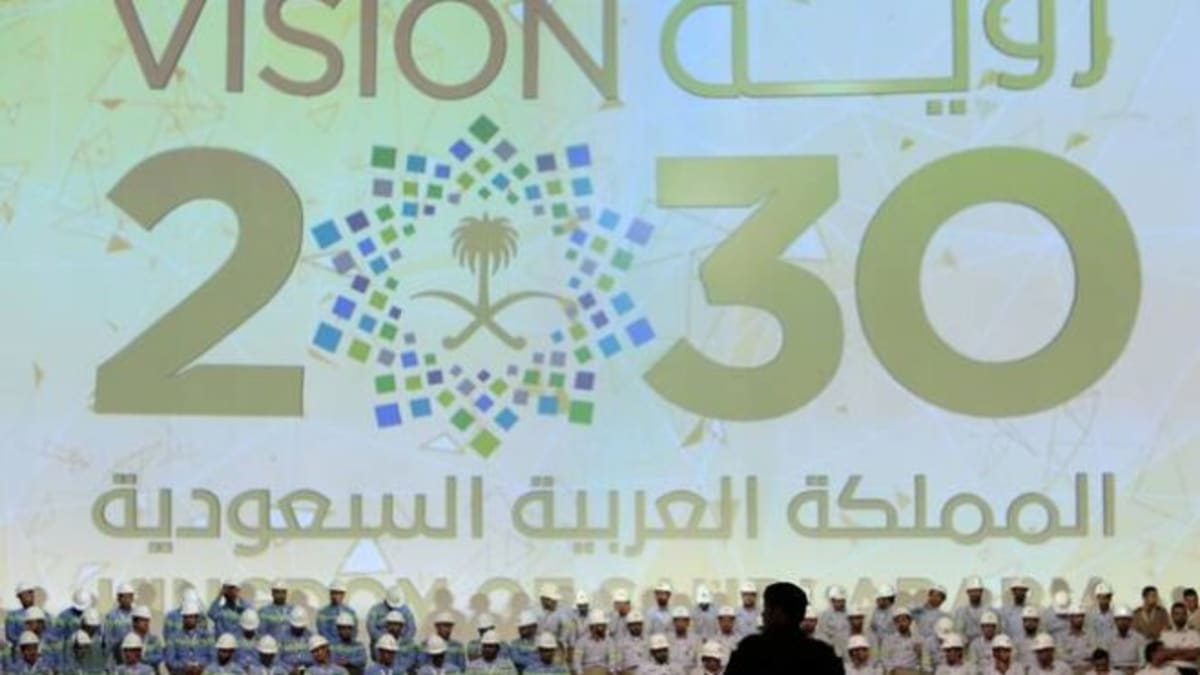
Economy and Planning Minister Faisal Alibrahim presented the country's progress report to the United Nations on Monday, showing how Vision 2030 turned ambitious goals into concrete outcomes. The decade-long initiative aimed to diversify the economy, expand opportunities, and improve quality of life for Saudi citizens.
The numbers tell a striking story. Female workforce participation doubled from 17 percent in 2017 to 34 percent today, with women increasingly taking leadership and entrepreneurship roles. Non-oil sectors now make up 55 percent of the economy, up from 45 percent when Vision 2030 launched.
Seventy-four different industries outside the oil sector grew more than 5 percent annually over the past five years. Thirty-eight of those sectors grew faster than 10 percent each year.
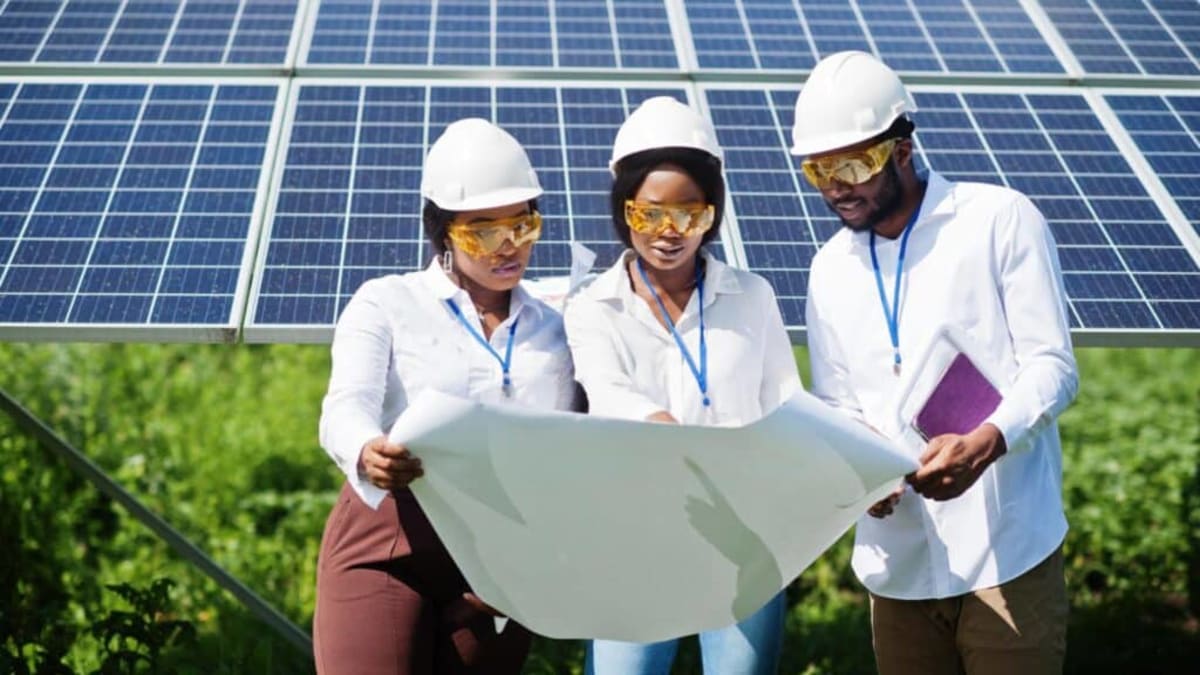
The energy transformation shows dramatic scale. Renewable energy capacity expanded more than 500 times since 2016, jumping from 24 megawatts to 12.3 gigawatts. Over 1.1 million homes now run on renewable energy, up from just 150,000 three years ago.
Healthcare access expanded to cover 97 percent of citizens in 2024, up from 84 percent in 2019. The national health platform Sehhaty reached 31 million users and delivered 51 million instant consultations, bringing medical care to phones across the country.
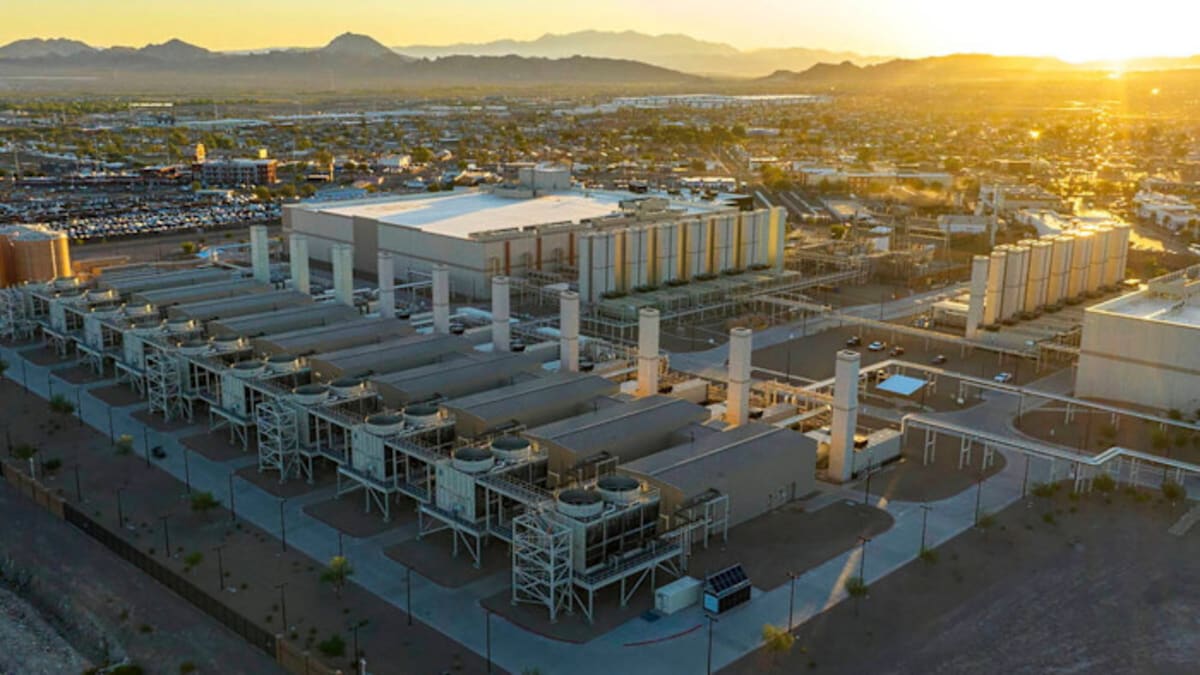
Water security saw massive investment too. Daily desalinated water production capacity more than tripled from 4.6 million cubic meters in 2016 to over 16 million today. Private companies now handle 42 percent of desalination, up from 26 percent in 2019.
The Ripple Effect
The changes reach beyond Saudi borders. The Saudi Fund for Development financed over 800 projects across more than 100 developing countries. Saudi companies like ACWA Power signed $7 billion worth of clean energy agreements across Africa in just the past two years.
The Kingdom contributed $500 million to global polio eradication efforts through its aid agency KSrelief, supporting vaccination for 370 million children every year. Locally, Riyadh transformed Wadi Hanifa into 120 kilometers of ecological infrastructure that naturally treats 650,000 cubic meters of wastewater daily.
Alibrahim acknowledged the work isn't finished. Financial literacy needs improvement, health spending faces pressure from lifestyle diseases, and productivity must keep rising. But Saudi Arabia now ranks sixth globally in digital government services, jumping from 31st place in just four years.
The minister told UN delegates that honest self-assessment made the difference, turning what could have been empty promises into measurable wins that improve daily life for millions.
Based on reporting by Google News - Saudi Arabia Progress
This story was written by BrightWire based on verified news reports.
Spread the positivity!
Share this good news with someone who needs it