Google Backs Biggest US Solar Project to Power 315K Homes
Google just signed a deal to buy power from the largest solar farm ever built in the US, proving clean energy demand is booming even as politics shift. The massive Arkansas project will deliver enough renewable energy to power more than 315,000 homes starting in 2029.
A tech giant just made a bet on the sun that could power a city, and it's a signal that America's clean energy boom isn't slowing down.
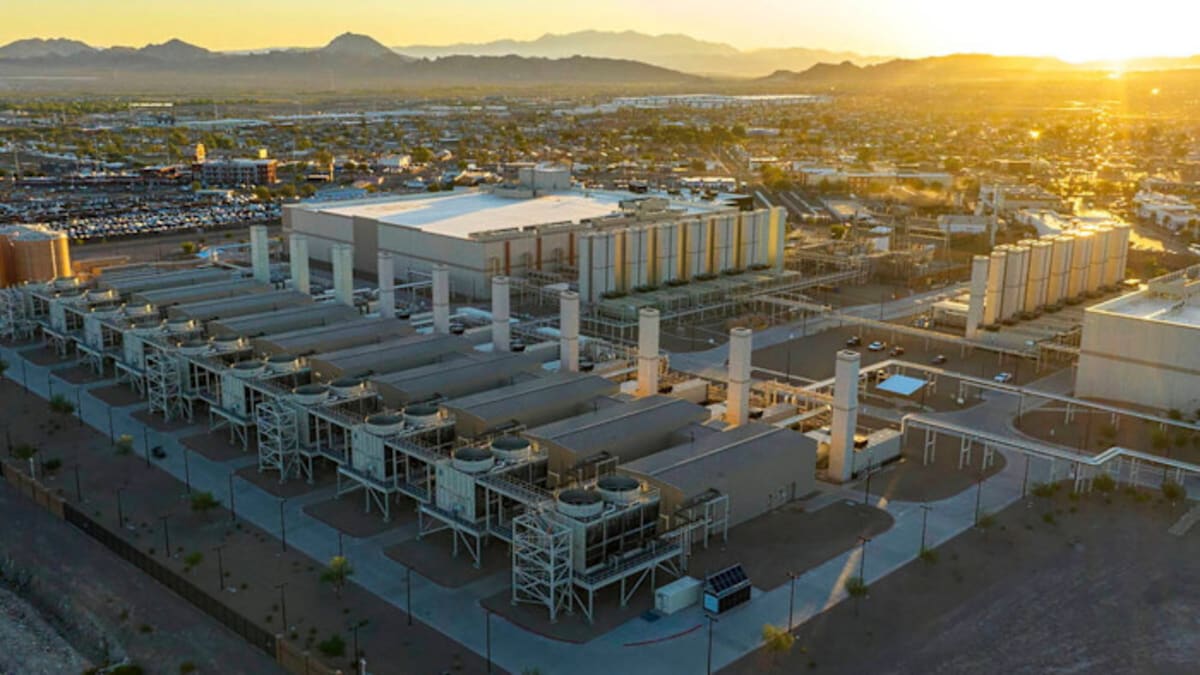
Google agreed to purchase all the initial electricity from the Steel River Energy Center in Arkansas, the biggest solar project to break ground in the United States. When it comes online in 2029, the farm will generate 1.6 gigawatts of solar power with 2 gigawatt hours of battery storage, eventually scaling up to 2.5 gigawatts.
The timing matters. While political winds shift in Washington, the business case for renewable energy keeps getting stronger, driven by one unstoppable force: our growing appetite for electricity.
Google's power use jumped 37 percent last year as its data centers expanded to meet demand for cloud computing and AI. Microsoft saw similar growth at 24 percent. By 2050, US electricity demand could grow by up to 50 percent, according to federal estimates.
Data centers can't run directly on solar power because they need electricity 24/7, not just when the sun shines. So Google buys renewable energy that feeds the broader grid while drawing its own power from traditional sources. The company's long term financial commitment gives developers the certainty they need to secure funding and build projects that might otherwise never get off the ground.
The Ripple Effect
Steel River represents more than just clean megawatts. The project is betting big on American manufacturing at a time when most solar equipment comes from China.
First Solar will supply panels made with 100 percent domestic materials. The steel comes from Arkansas factories. LG's Phoenix plant will provide the batteries. This approach costs more upfront but sidesteps new regulations that could strip tax credits from projects relying on Chinese supply chains.
Developer Cypress Creek Energy calls deals like this a rare bright spot for an industry facing policy headwinds. CEO Kevin Smith compares his company to hotel developers, except "when we build, we've sold out all the rooms for 20 years."
That certainty is changing the landscape. Solar and battery storage will account for 58 percent of new US power installations through 2030, largely because these projects are faster and cheaper to build than traditional power plants.
Google, Meta, Amazon, and Microsoft together made up nearly half of all corporate clean energy deals last year. Their massive electricity needs are creating a sustained market for renewable projects, giving developers confidence to think bigger.
The Steel River project shows how market forces can drive progress even when political support wavers. Companies need power, lots of it, and solar delivers it faster and more predictably than almost any alternative.
Arkansas will soon host the nation's largest solar farm, creating construction jobs and feeding clean electrons into a grid that still runs 56 percent on fossil fuels. Every gigawatt helps tip that balance.
More Images


Based on reporting by Google News - Clean Energy
This story was written by BrightWire based on verified news reports.
Spread the positivity!
Share this good news with someone who needs it