NYC Tests Energy-Saving Cooling System in Subway Station
New York's sweltering subway stations might finally get relief. The MTA is testing radiant cooling technology that uses 35% less energy than traditional AC and could even generate revenue by selling waste heat to nearby buildings.
New York City subway riders know the drill: step off a hot summer street into an even hotter underground station that feels more like a sauna than a commute. Now the city is testing a breakthrough solution that could change everything.
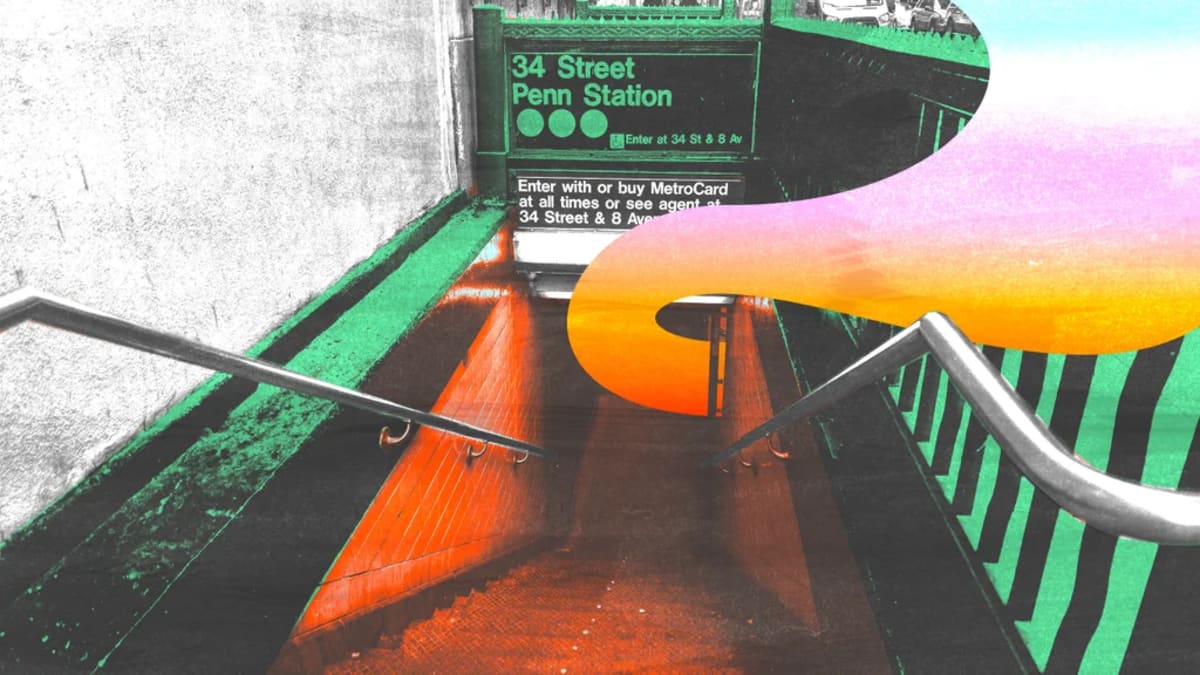
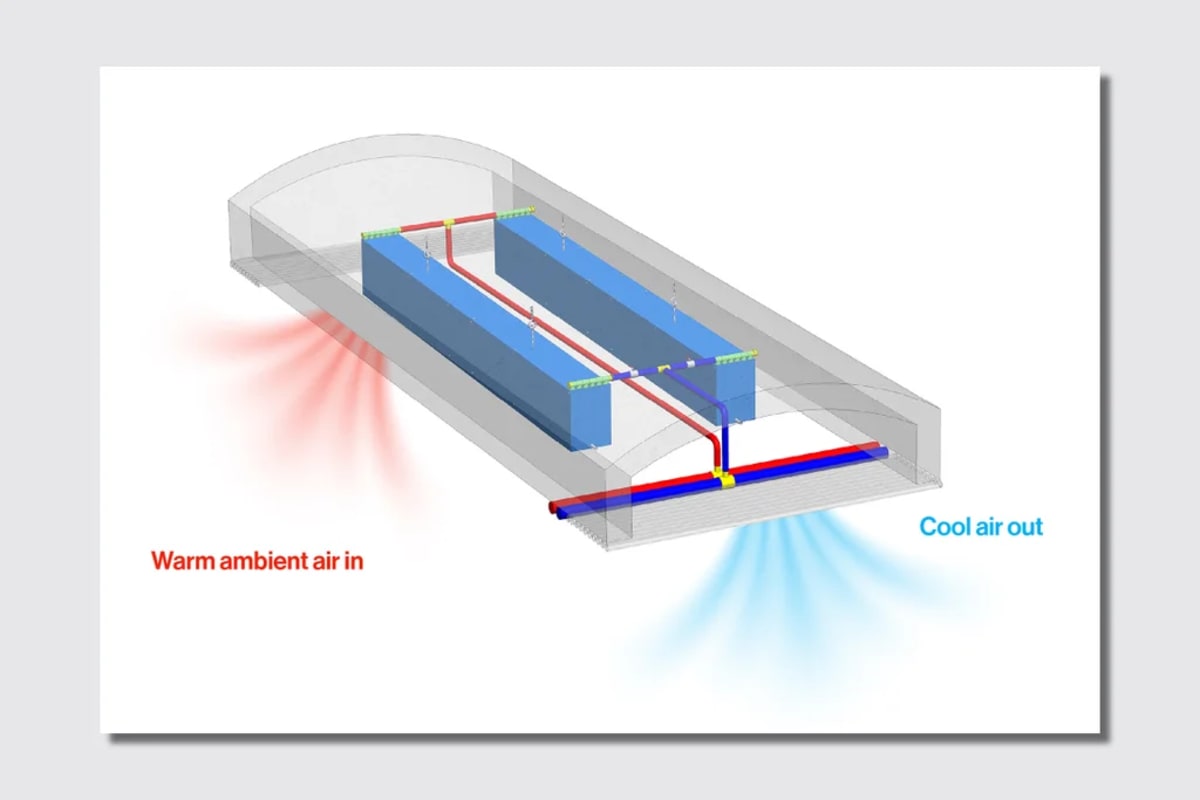
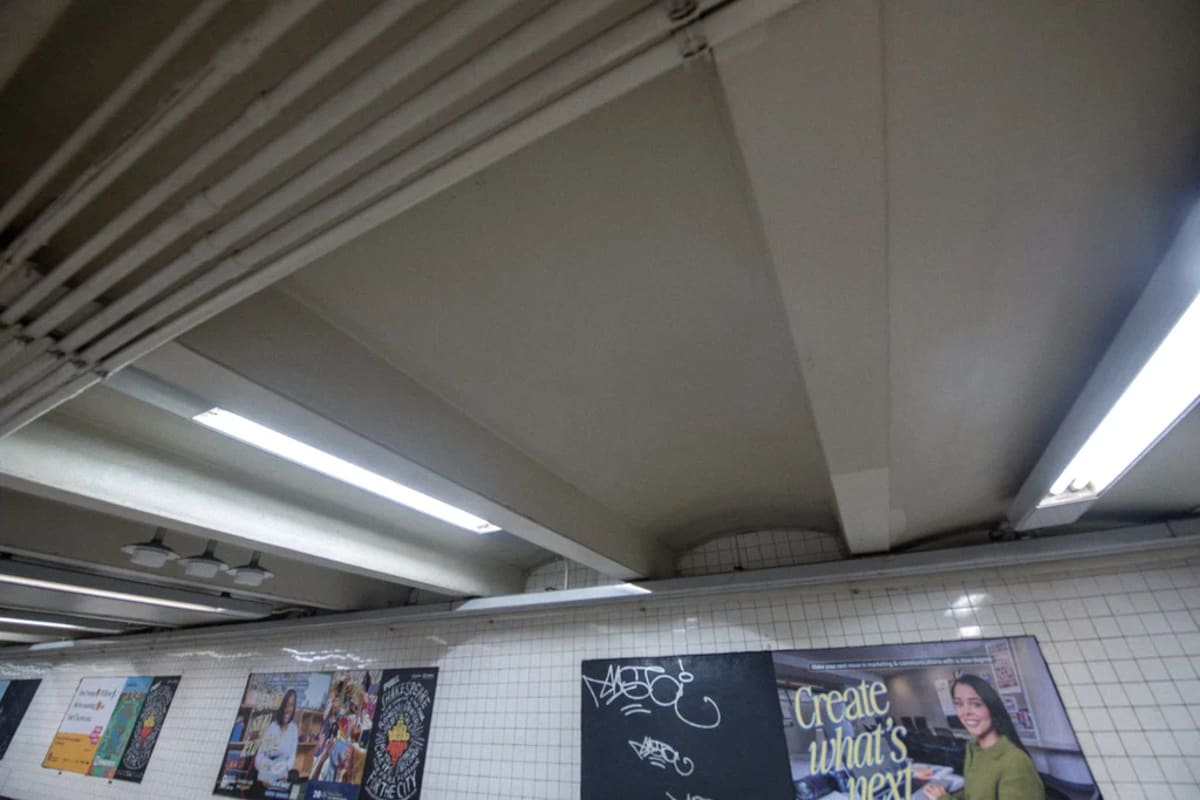
The Metropolitan Transportation Authority just launched a pilot program at the East Broadway station on Manhattan's Lower East Side. Hidden behind ceiling grates, a new radiant cooling system passively pulls heat from the air while using a fraction of the energy traditional air conditioning requires.
The challenge has always been unique to New York's century-old design. Open staircases make conventional AC inefficient, and the air-conditioned trains actually make things worse by constantly pumping hot air into tunnels and stations.
Enter Cascara Energy, a startup bringing radiant cooling technology to the transportation world. Unlike traditional AC that blows cold air, this system uses chilled water flowing through ceiling pipes to absorb heat directly from the air and from people's bodies.
The technology uses 25% to 35% less energy than conventional cooling. The add-on design fits easily into old infrastructure, tucking neatly into the station's architectural arches where traditional systems couldn't go.
Over the next year, the MTA will monitor temperature changes in the 1,000-square-foot test area. The goal isn't Arctic temperatures but comfortable ones, keeping the space around 85 degrees even as heat pours in from staircases, trains, and crowds.
The Ripple Effect
The innovation goes beyond passenger comfort. The system captures waste heat as it cools the station, creating warm water that could be sold to nearby buildings for heating purposes.
This turns every subway station into a potential energy hub. "Every city has a massive geothermal exchange already built into the city," says Cascara CEO Robert Croghan. "And they run trains through it."
The financial model could be transformative. Instead of cooling being purely an expense, stations could generate revenue while helping neighboring buildings reduce their own energy costs.
Climate change is pushing cities to rethink infrastructure from the ground up. The MTA faces multiple climate challenges, from coastal flooding to heavy rainfall, but extreme heat remains one of the trickiest to solve.
"We're quite honestly and explicitly in experimentation mode here," says Jamie Torres-Springer, president of MTA construction and development. The urgency is real as summers grow hotter and ridership rebounds.
If successful, the technology could roll out across New York's 472 subway stations and inspire similar projects in aging transit systems worldwide. What starts as a comfort upgrade could become a blueprint for energy-efficient urban cooling that pays for itself.
The future of city transit might be cooler, greener, and smarter than anyone imagined.
More Images

Based on reporting by Fast Company - Innovation
This story was written by BrightWire based on verified news reports.
Spread the positivity!
Share this good news with someone who needs it