Brazil Creates Largest Marine Park for Endangered Dolphins
Brazil just protected 2.5 million acres of ocean to save some of the world's rarest dolphins and ancient fossils. Only 500 Lahille's bottlenose dolphins remain on Earth, and they now have a safe home.
Brazil just gave millions of ocean creatures a fighting chance by creating its largest marine park in history.
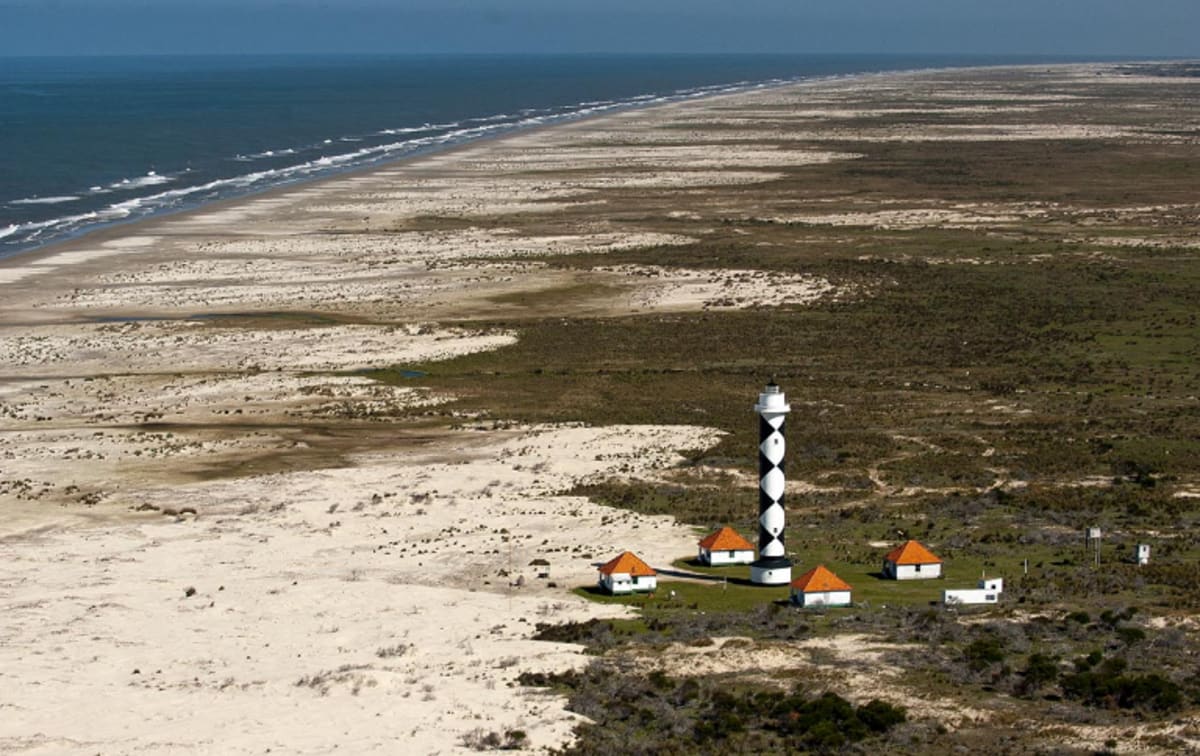
The new Albardão Marine Park protects more than 2.5 million acres of Atlantic Ocean off the coast of Rio Grande do Sul, Brazil's southernmost state. The government announced the protection on March 6, marking a 20-year effort that finally came to fruition.
The waters are home to Lahille's bottlenose dolphins, with only 500 individuals left alive today. Franciscana dolphins, listed as critically endangered in Brazil, also call these waters home. Twenty-three species of endangered sharks and rays, including the critically endangered bowmouth guitarfish, now swim in protected territory.
The park solves a problem that's been decades in the making. These species have been recommended for protection since 2004, but bureaucratic delays kept pushing the decision back.
An additional coastal protected area spanning 138,000 acres protects something equally remarkable on land. Paleontologists have discovered Pleistocene megafauna fossils in the dune fields, including remains of ground sloths, saber-toothed cats, giant armadillos, and mastodons.
The protection comes with practical considerations built in. Artisanal fishing, scientific research, and sustainable ecotourism can continue in designated zones. Ship traffic remains allowed throughout the area, and infrastructure corridors can connect offshore energy projects beyond the park to the mainland.
The Ripple Effect
This protection shows how conservation can work alongside human needs. While offshore wind farms won't be built inside the park, the Brazilian government found middle ground by allowing transit corridors for energy infrastructure located outside the protected zones.
The decision addresses a stark reality revealed by recent investigations. Endangered angelshark species were being served in local school lunches, showing how overfishing and lack of awareness threatened these populations. Now, 25 endangered species have legal protection.
The park creates a domino effect for ocean health. Protected areas allow fish populations to rebuild, which supports both marine ecosystems and the artisanal fishers who depend on healthy oceans. Scientists gain a living laboratory to study species that were disappearing before their eyes.
Brazil now operates its third-largest marine protected area, sending a signal that ocean conservation matters even in developing economies facing energy transition pressures.
Twenty years of advocacy just paid off for some of Earth's rarest ocean dwellers.
More Images



Based on reporting by Mongabay
This story was written by BrightWire based on verified news reports.
Spread the positivity!
Share this good news with someone who needs it