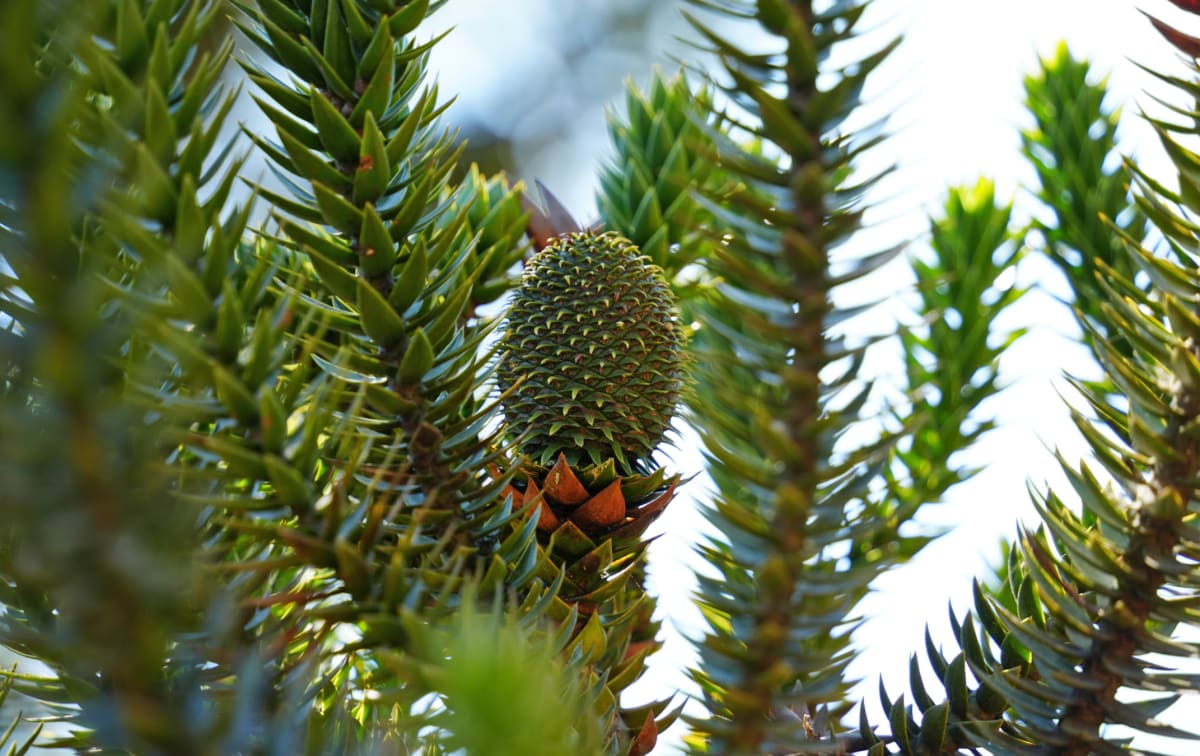
Brazil Plants 60% of Reforested Species Now Generate Income
Scientists discovered nearly 60% of native plants regrowing in Brazil's Atlantic Forest can be harvested for medicine, cosmetics, and food without damaging the ecosystem. This breakthrough could finally convince landowners that restoration pays off while saving one of Earth's richest forests.
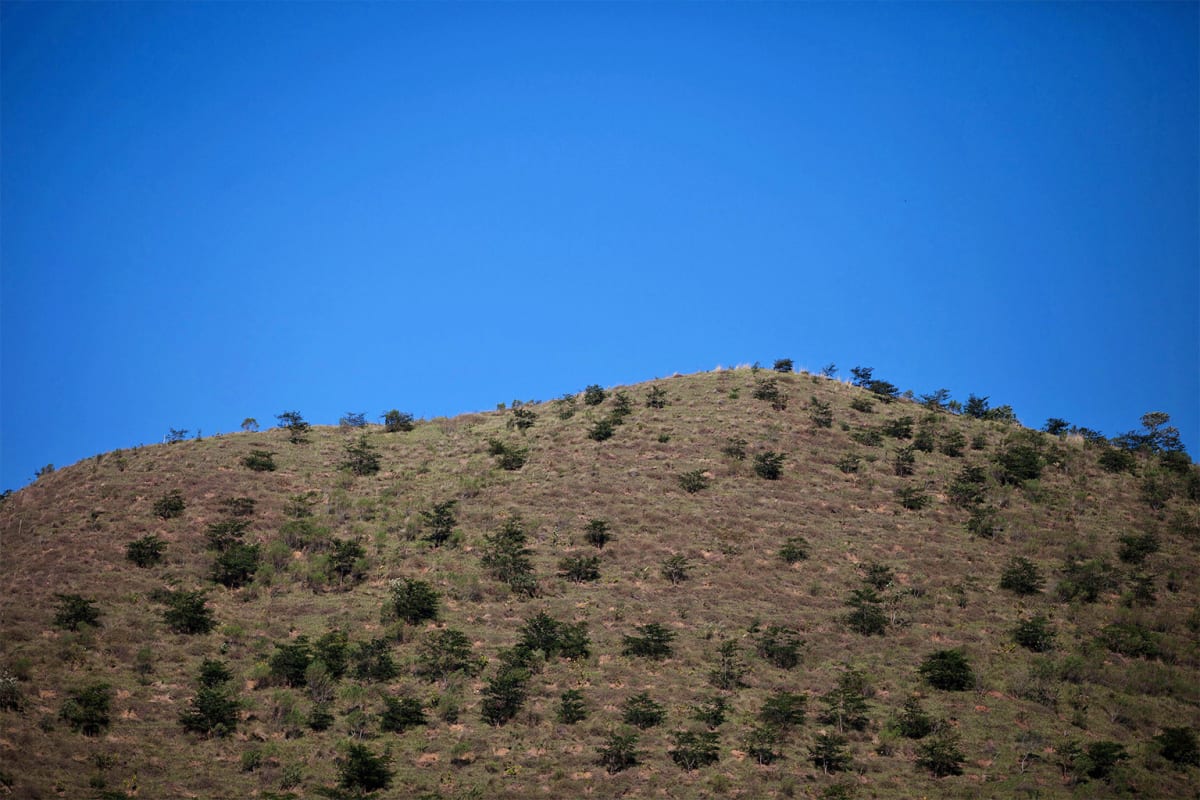
Imagine trying to convince someone to restore a forest on their land when they could be making money farming instead. That's the challenge facing Brazil's Atlantic Forest, where only 24% of the original forest remains standing.
Researchers at the University of São Paulo just cracked a key part of this puzzle. They surveyed trees regrowing in restored areas and found something remarkable: 59% of the 283 native species have real market value.
These aren't just pretty trees. The native plants can be harvested for medicines, cosmetics, and food products without cutting them down. Farmers can collect leaves, bark, and fruits while the forest keeps growing healthier.
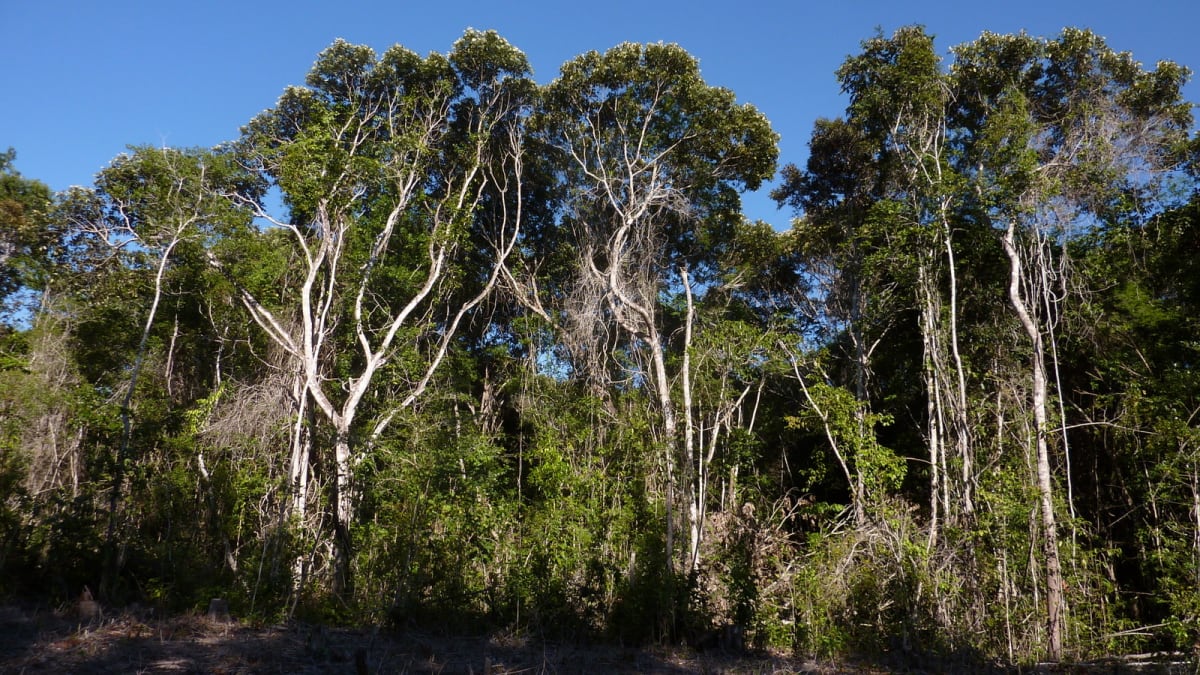
The Atlantic Forest stretches along Brazil's eastern coast and hosts 5% of all vertebrate species on Earth. It's home to 70% of Brazil's population, including megacities like São Paulo and Rio de Janeiro. Despite its importance, centuries of clearing have left the region severely degraded.
Since 2009, the Atlantic Forest Restoration Pact has pushed to restore 37 million acres across 17 states. But there's a catch: about 75% of the land is privately owned, and convincing landowners to participate has been tough.
"For many years, forest restoration was viewed by landowners as a legal hurdle or a 'waste of land,'" says lead researcher Pedro Medrado Krainovic. Benefits like better water quality and soil protection felt too indirect to matter.
The team studied three types of sites: land under active restoration, naturally regenerating areas, and abandoned eucalyptus plantations. They measured every tree, identified the species, and cross-referenced them with patent records and published studies on commercial uses.
The results showed that native plants could generate income while supporting biodiversity goals. This creates a win for forests, farmers, and Indigenous communities who can harvest sustainably.
The Ripple Effect
This discovery could transform how restoration works across threatened forests worldwide. When landowners see forests as income generators rather than lost opportunities, they become partners in conservation instead of obstacles.
The approach especially helps small farmers and Indigenous peoples who've been left out of restoration funding. They can earn money from their land while the forest recovers around them.
Challenges remain, including developing supply chains for seeds and seedlings. But proving that restoration can pay for itself changes the entire conversation about saving forests.
With 15 million hectares targeted for restoration, every percentage point of landholder participation matters for one of the planet's most biodiverse regions.
More Images

Based on reporting by Google News - Reforestation
This story was written by BrightWire based on verified news reports.
Spread the positivity!
Share this good news with someone who needs it