Brazil Scientists Find Peptide That Protects Brain Cells
Researchers in Brazil discovered a naturally occurring peptide that protects brain cells from Parkinson's damage by targeting inflammation instead of just symptoms. The breakthrough could lead to treatments that actually slow the disease rather than mask its effects.
For the first time, scientists may have found a way to protect brain cells from Parkinson's disease before they're destroyed.
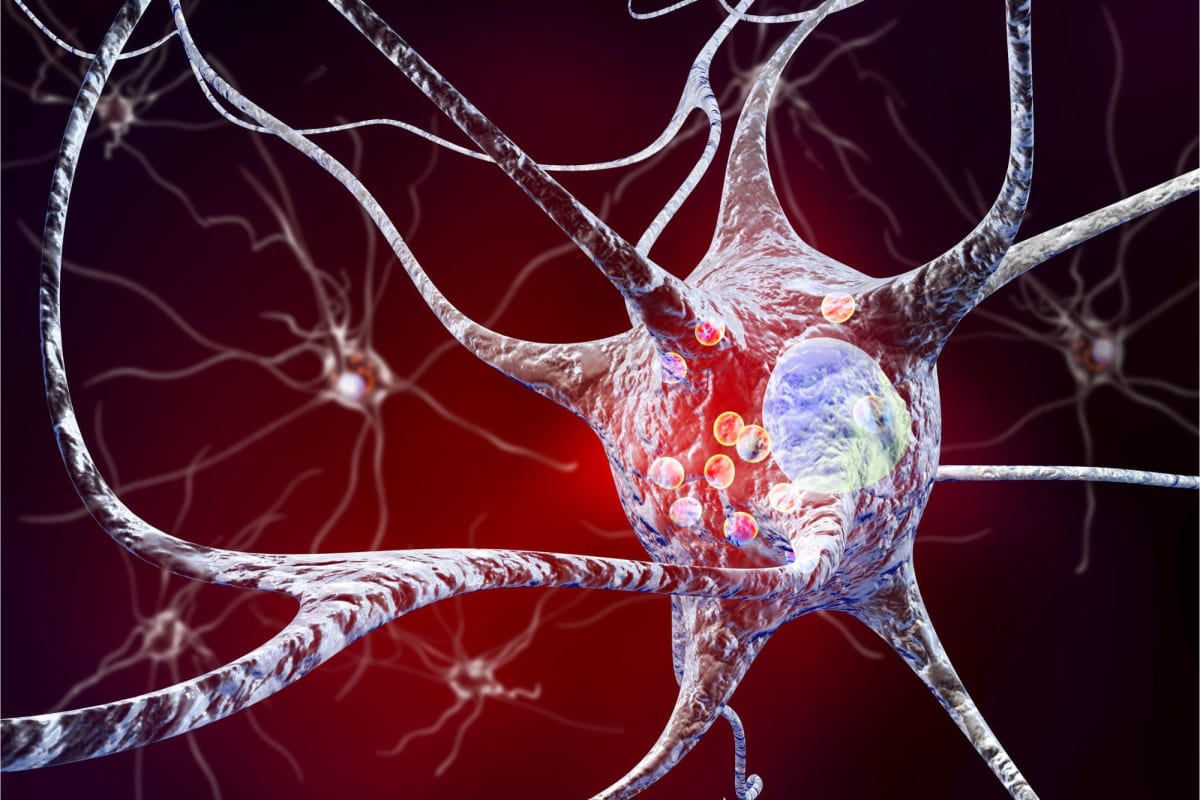
Researchers at the Federal University of São Paulo identified a peptide called Ac2-26 that shields vulnerable neurons from the inflammation that drives Parkinson's progression. In mouse studies, the naturally derived fragment stopped brain cells from degenerating, offering hope for treatments that could prevent damage rather than just manage symptoms.
The discovery, published in Neuropharmacology, represents a completely different strategy from current treatments. While standard medications like levodopa replace lost dopamine to ease tremors and movement problems, they don't stop the underlying destruction of brain cells. Over time, these drugs become less effective and cause complications.
"The peptide acts on neuroinflammation rather than on dopamine replacement," explained lead researcher Cristiane Damas Gil. "In neurodegenerative diseases, there's an inflammatory reaction that affects not only neurons but also surrounding cells, and the peptide mitigates that process, consequently protecting the brain from cell death."
The peptide comes from Annexin A1, a protein that naturally occurs in humans and animals. Previous research showed this protein helps regulate brain inflammation and may limit neuron loss in Parkinson's patients, who have altered levels of the protein.
Graduate researcher Luiz Philipe de Souza Ferreira led the experiments, which revealed surprising differences between male and female mice. Female mice showed greater natural resilience to brain injury, even without the protective protein. This resilience faded over time, but the finding points to important biological differences that could shape future treatments.
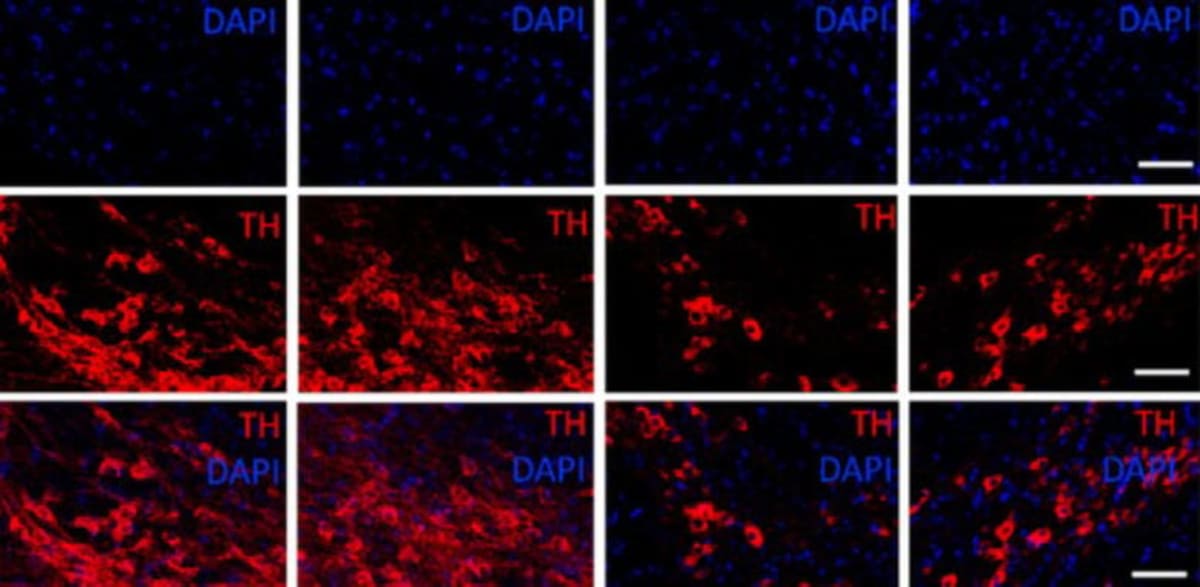
In male mice, where neuron loss was more pronounced, the protective effects of Ac2-26 were crystal clear. The peptide prevented the degeneration that typically follows Parkinson's related damage.
Why This Inspires
This research matters because it addresses what millions of Parkinson's patients desperately need: a way to slow or stop their disease, not just treat its symptoms. The peptide works at the earliest stages of damage, potentially preserving brain function before irreversible loss occurs.
The team's next step is testing whether the peptide can reverse existing damage, not just prevent new harm. If successful, that would transform it from a preventive treatment into a true therapeutic option for people already living with Parkinson's.
The study also reinforces the importance of studying both sexes in medical research, as the dramatic differences between male and female mice suggest personalized treatment approaches may be necessary.
While Ac2-26 hasn't been developed into a drug yet, it's already well studied for other inflammatory conditions, potentially speeding its path to human trials. For the six million people worldwide living with Parkinson's, this Brazilian research offers something precious: genuine hope for protection, not just symptom management.
More Images
Based on reporting by Google News - Scientists Discover
This story was written by BrightWire based on verified news reports.
Spread the positivity!
Share this good news with someone who needs it