Less Sugar Before Age 2 Cuts Alzheimer's Risk 46%
Children who consumed less sugar from conception through age two showed dramatically lower rates of Alzheimer's disease decades later. The discovery came from studying UK residents born during World War II sugar rationing.
A groundbreaking study reveals that what babies eat in their first two years might protect their brains for life.
Researchers analyzed over 60,000 people born in the United Kingdom between 1951 and 1956, during and after World War II sugar rationing. Those who experienced sugar restriction from conception through roughly age two had a 46 percent lower risk of developing Alzheimer's disease later in life.
The timing created what scientists call a "natural experiment." During the war, sugar was heavily rationed, and children under two received no sugar ration at all. When rationing ended in September 1953, adult sugar consumption nearly doubled overnight.
This unique historical moment allowed researchers to compare people exposed to less sugar in early life with those who weren't, without the ethical concerns of deliberately restricting babies' diets for research.
The benefits extended beyond Alzheimer's. People who experienced early sugar restriction showed a 27 percent lower risk of dementia overall, 20 percent lower anxiety rates, and 11 percent reduction in depression.
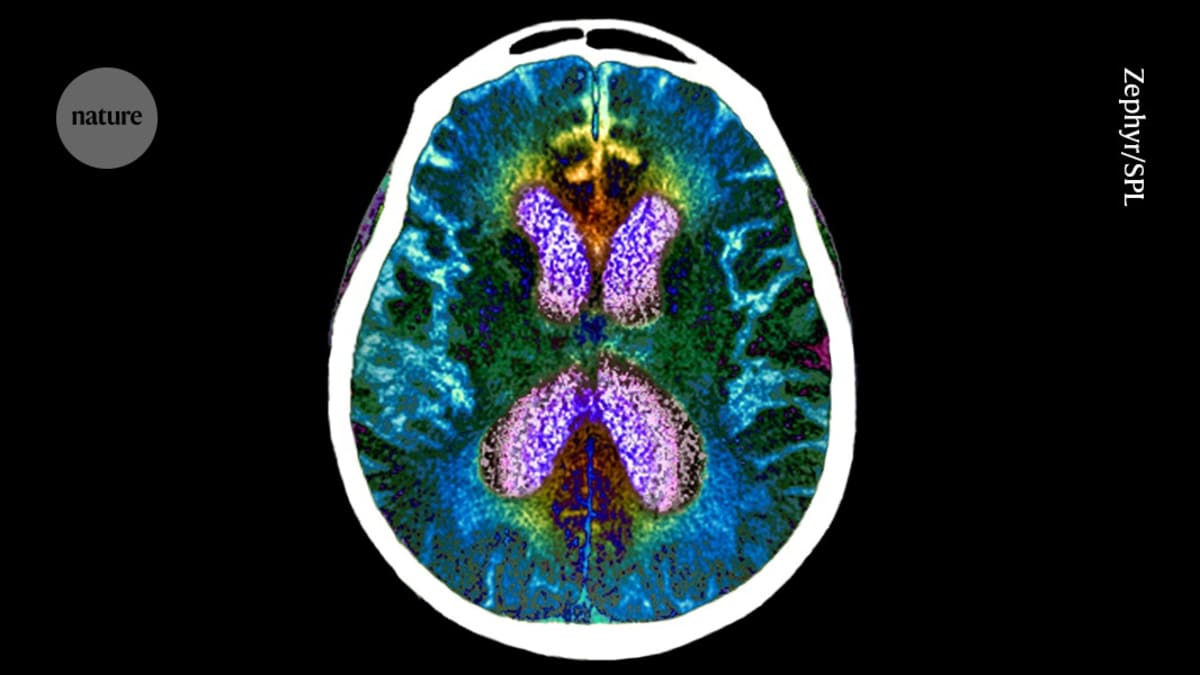
Brain scans told an even more compelling story. MRI images from over 9,000 participants showed that people exposed to sugar rationing had brains that appeared younger than their actual age by an average of nearly five months. Their brain regions involved in memory, including the hippocampus and thalamus, were also larger.
Professor Fahad Hanna from Torrens University Australia explains that the first 1,000 days after conception represent a critical window for brain development. Early nutrition can influence metabolism, immune function, and even change how genes express themselves with effects lasting a lifetime.
Why This Inspires
This research offers hope that simple nutritional choices during pregnancy and early childhood could have profound protective effects decades later. While Alzheimer's remains a complex disease influenced by genetics, lifestyle, and many environmental factors, this study suggests parents and caregivers have meaningful power to support long term brain health.
The findings also remind us that investing in early childhood nutrition isn't just about immediate growth, it's about building healthier futures for generations to come.
Small changes in those crucial first years might give our children's brains the best possible foundation for a lifetime of health and resilience.
Based on reporting by Google News - Health
This story was written by BrightWire based on verified news reports.
Spread the positivity!
Share this good news with someone who needs it