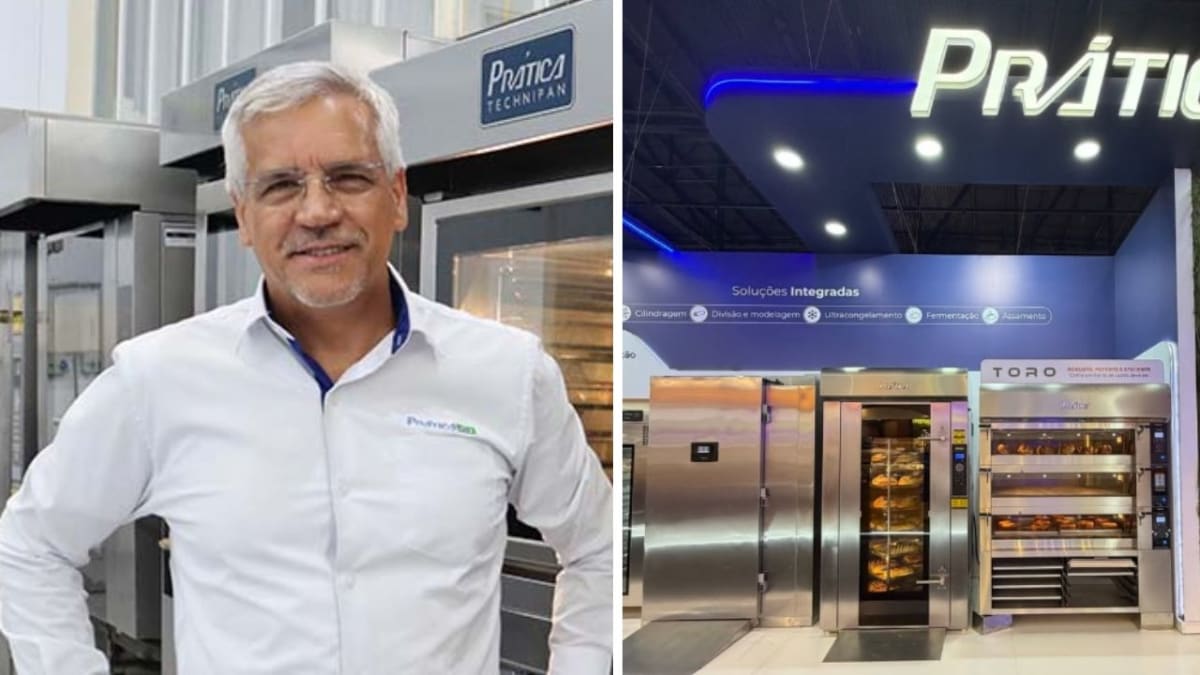
Brazilian Engineer Turns Bakery Failure Into $100M Company
When André Rezende's family bakery failed in Brazil, he noticed something nobody else did: the ovens were energy hogs. That observation sparked a 35-year journey that built a $100 million company now exporting to over 50 countries.
Sometimes the best innovations come from our biggest disappointments. André Rezende was running a struggling family bakery in Pouso Alegre, a small town in southern Minas Gerais, Brazil, when he spotted an expensive problem hiding in plain sight.
The bakery's ovens were consuming enormous amounts of energy, driving up costs and eating into already thin profits. While most people would have simply complained about the electric bill, Rezende saw an opportunity.
In 1991, armed with an engineering background and lessons from his failed bakery, Rezende founded Prática in a small warehouse. His mission was simple: build better, more energy-efficient ovens and equipment for professional kitchens and bakeries.
The timing couldn't have been better. As energy costs climbed across Brazil, bakeries and restaurants desperately needed solutions that wouldn't break their budgets. Rezende's efficient ovens solved a problem that affected thousands of food businesses.
What started in one warehouse in Minas Gerais grew steadily over three decades. Prática didn't just survive; it thrived by focusing on practical solutions for real problems facing food service businesses.
Today, the company exports its equipment to more than 50 countries around the world. Prática operates facilities in the United States and Germany, and the $100 million company is now preparing to approach Spanish capital markets for its next phase of growth.
The Ripple Effect
Rezende's story shows how personal setbacks can fuel breakthrough thinking. His failed bakery gave him insider knowledge that established manufacturers didn't have: he understood the daily frustrations of small food business owners because he'd lived them.
Every energy-efficient oven Prática sells helps bakeries and restaurants reduce their operating costs and environmental footprint. In an industry where margins are notoriously tight, that efficiency can mean the difference between closing up shop and thriving.
The company's expansion into international markets also brought manufacturing jobs and technical expertise to Pouso Alegre, transforming the small Brazilian town into an unlikely hub for food service innovation.
Rezende's journey from failed baker to successful manufacturer proves that setbacks often contain the seeds of future success, if we're willing to look closely enough to find them.
Based on reporting by Google News - Brazil Innovation
This story was written by BrightWire based on verified news reports.
Spread the positivity!
Share this good news with someone who needs it