Indian Startup Passes Safety Tests for Sodium-Ion Batteries
A Pune-based company just became the first in India to pass rigorous international safety testing for batteries made from materials the country already has. Rechargion Energy's sodium-ion cells could help India break free from expensive imported lithium batteries.
India imports nearly every lithium battery it uses, along with all the expensive raw materials inside them. A husband-and-wife team in Pune just proved there's another way.
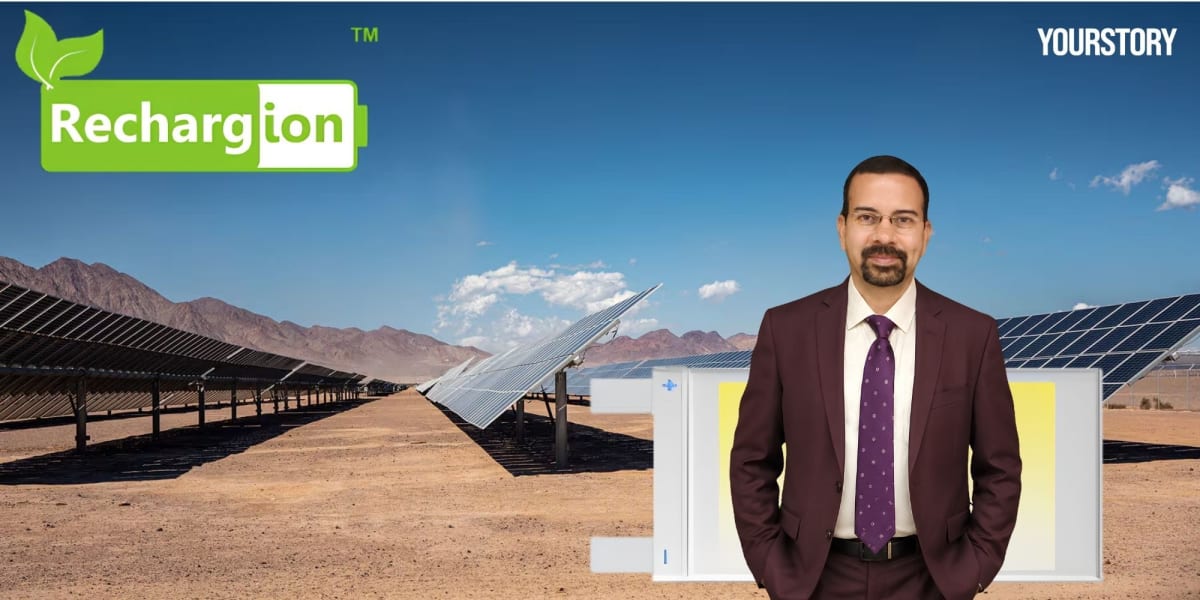
Rechargion Energy, founded in 2021 by scientists Vilas and Manjusha Shelke, builds batteries from sodium instead of lithium. Sodium sits right below lithium on the periodic table and works similarly in batteries, but it's abundant and cheap. India has plenty of it.
The catch has always been performance. Sodium ions are bigger and heavier than lithium, so the batteries hold less energy for their weight. But for many uses like solar storage and electric bikes, that trade-off makes sense when you factor in the cost savings and supply security.
In August 2025, the Automotive Research Association of India finished two months of intense testing on Rechargion's cells. They put the batteries through vibration tests, mechanical shocks, crushing, high temperatures, short circuits, and overcharging. The cells passed every test under the strict IEC 62660 international safety protocol.
This makes Rechargion the first company in India to achieve this certification for sodium-ion batteries. Independent testing by a national body carries real weight in an industry where claims often outpace proof.
The technology centers on materials the Shelkes developed at CSIR's National Chemical Laboratory. They've patented a special hard carbon for the anode and use a polymer material they say makes the cells commercially viable. None of the materials require cobalt or nickel, which are expensive and often come with ethical mining concerns.
Sodium batteries have a genuine safety advantage too. Unlike lithium cells, they can be discharged to zero volts for safe transport and are much less likely to overheat dangerously. The company estimates the batteries will cost about 11 to 12 rupees per watt-hour and last 12 to 15 years.
The Ripple Effect
Rechargion's success could reshape India's energy independence. The country's massive push toward solar power and electric vehicles creates enormous battery demand. Every cell made domestically from local materials keeps money in the economy and reduces vulnerability to global supply chain disruptions.
The company has backing from India's Ministry of Heavy Industries, the United Nations Industrial Development Organisation, and the US-India Science and Technology Endowment Fund. They're now building a facility to produce 500 cells daily, a pilot scale that proves manufacturing consistency before ramping up volume.
Five hundred cells a day won't meet India's battery needs alone, but it's a strong start. The hardest part of battery manufacturing isn't making lots of cells, it's making them all work the same way reliably. That's what this pilot line will prove.
For a country that imports billions of dollars in battery technology annually, homegrown alternatives built from materials already here represent real progress toward energy security.
More Images



Based on reporting by YourStory India
This story was written by BrightWire based on verified news reports.
Spread the positivity!
Share this good news with someone who needs it