California EVs Could Power 1/3 of Grid Storage by 2036
Electric vehicles parked in California driveways could solve the state's renewable energy storage crisis. Just 10% of EV owners sharing their battery power would provide one-third of California's energy storage needs by 2036.
Your electric car sitting in the garage could become a superhero for California's power grid, and you'd get paid for it.
As California adds more solar panels and wind turbines, the state faces a timing problem. The sun sets just as people come home and crank up their air conditioning. Utilities have been building massive battery farms to store renewable energy, but there's a cheaper solution already parked in millions of driveways.
A new report from grid software company Kevala, nonprofit GridLab, and consulting firm E3 reveals that electric vehicles could transform how California stores renewable energy. Many EVs already have vehicle-to-grid technology that lets them send power back into the system during peak demand.
The numbers are striking. If just one in ten California EV owners enrolled in vehicle-to-grid programs by 2036, they would supply one-third of the state's targeted long-duration energy storage. That would save everyone money by reducing the need for expensive battery facilities.
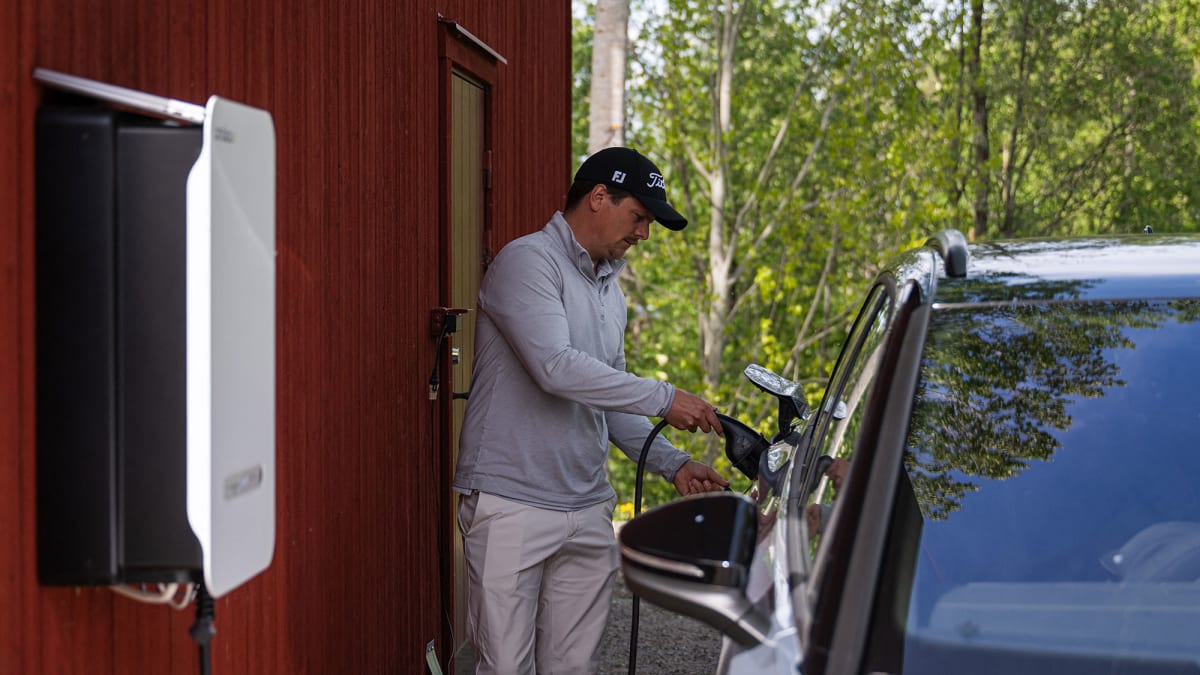
Here's how it works: Your EV charges when electricity is cheap and plentiful, typically at night or during sunny afternoons. During evening peak hours when the grid needs extra power, your car sends some electricity back. You set when you need your car fully charged, so you never wake up to a dead battery.
"It won't take a huge amount of participation to make a meaningful dent in what would otherwise be very expensive grid-scale storage purchases," said Pete Skala, vice president at Kevala. The savings would flow to all utility customers through lower rates.
California's battery storage capacity already skyrocketed 2,100 percent between 2019 and 2025. But building more facilities costs money that utilities pass to customers. EVs offer a smarter path forward because people are buying them anyway.
The challenge now is getting the compensation right. EV owners need enough incentive to participate, but not so much that costs exceed building new battery farms. The more vehicles a utility can draw from, the less energy it needs from each car.
The Ripple Effect
This isn't just about California or EV owners. Every state faces growing electricity demand from data centers, electric appliances, and hotter summers requiring more air conditioning. Vehicle-to-grid programs could help utilities nationwide manage these pressures without massive infrastructure investments.
The approach works best alongside other smart strategies. Thousands of Californians already let utilities adjust their smart thermostats a few degrees during heat waves, reducing strain on the grid. Combined with vehicle-to-grid technology, these programs spread electricity demand more evenly throughout the day.
You're becoming an active participant in the energy system, not just a consumer. Your car and thermostat can help accelerate the transition to renewable energy while cutting costs for your entire community.
More Images
Based on reporting by Grist
This story was written by BrightWire based on verified news reports.
Spread the positivity!
Share this good news with someone who needs it