Brazilian Quilombo Becomes State's Largest Organic Rice Farm
After generations of exploitation, an Afro-Brazilian community in Sergipe is transforming their fight for land rights into agricultural success. One quilombo now leads the state in pesticide-free rice production while awaiting full land titles.
Descendants of formerly enslaved people in Brazil are turning decades of struggle into a thriving organic farming movement while still fighting for their land.
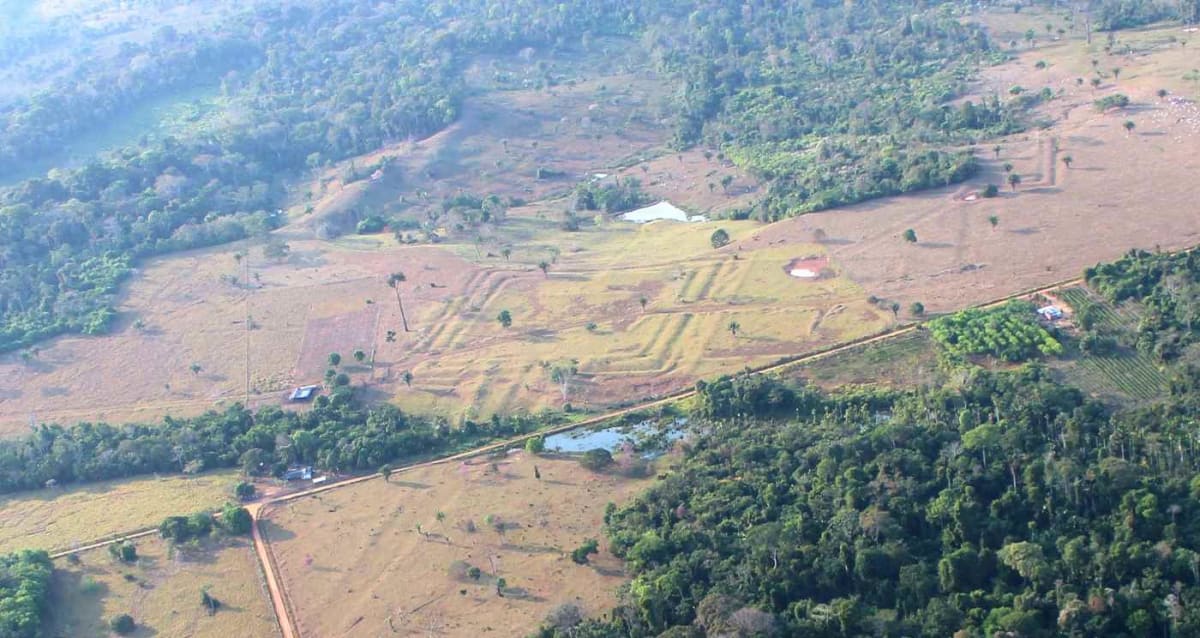
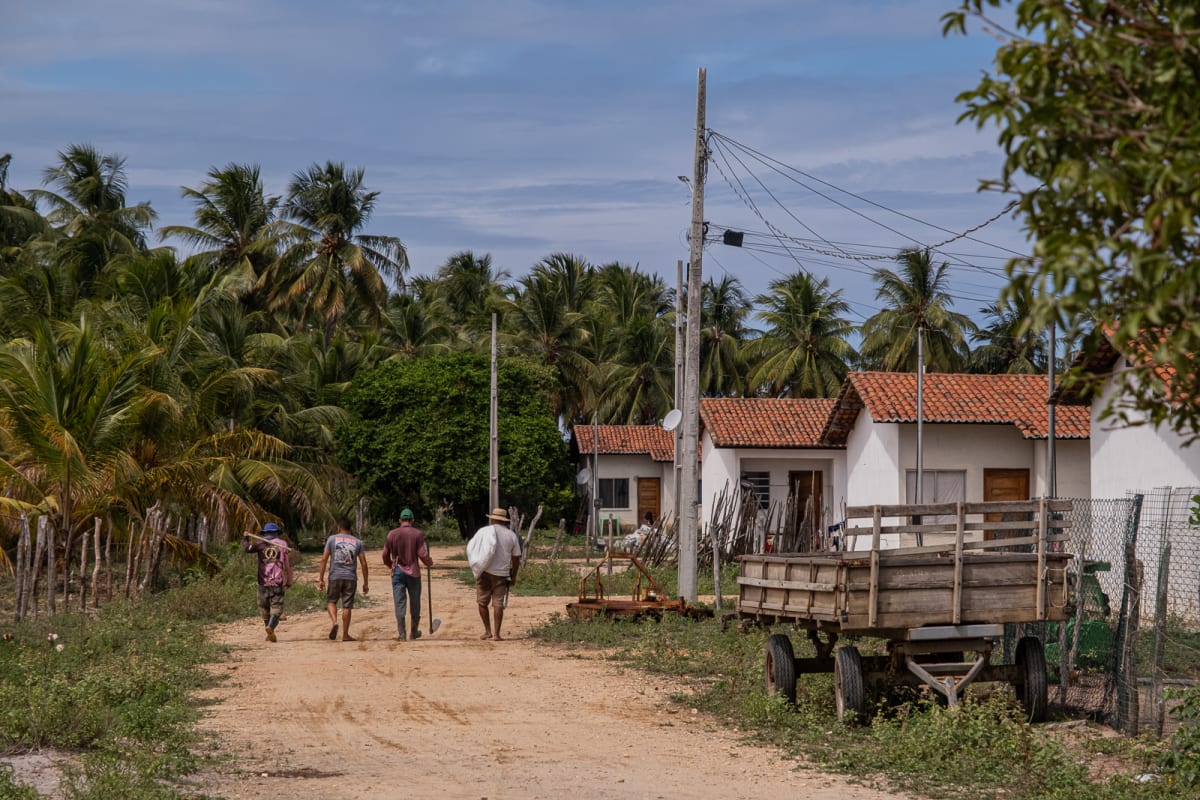
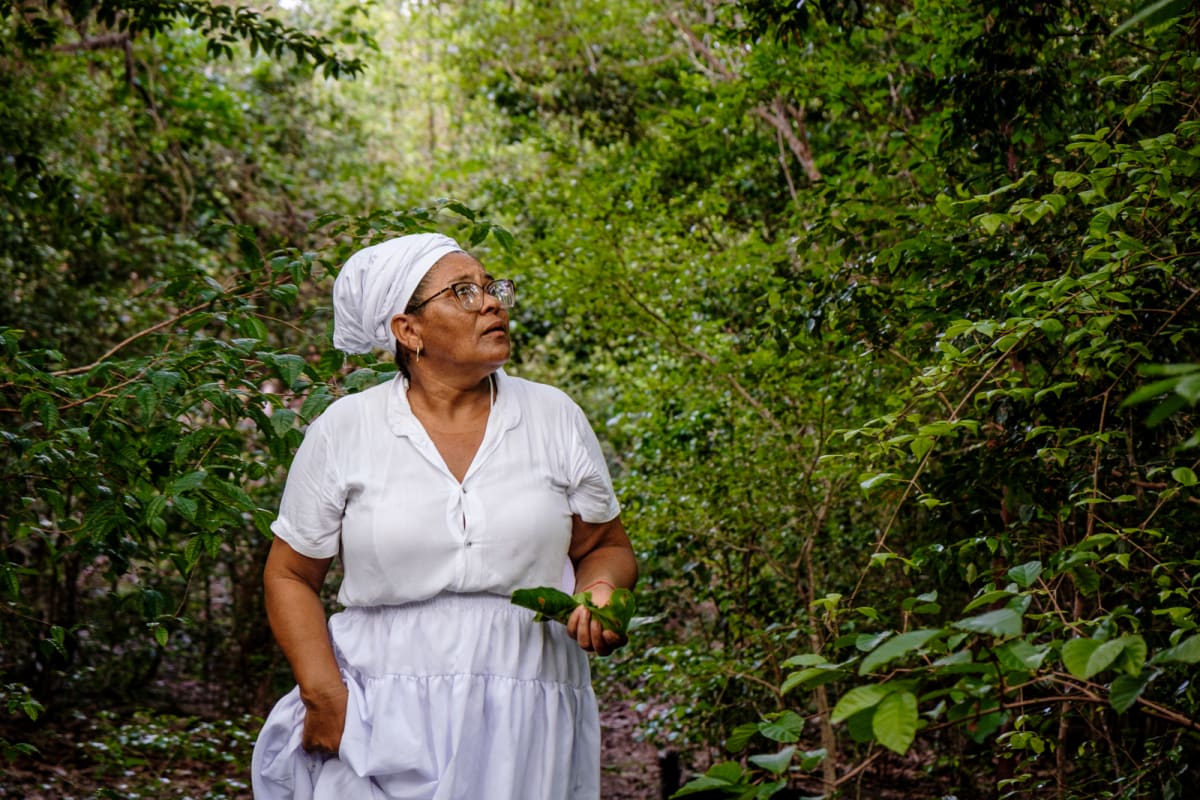
The Brejão dos Negros Quilombola Territory, home to five traditional Afro-Brazilian communities along Brazil's Atlantic coast, finally gained official recognition in 2023. But the real transformation started years earlier, when residents decided to reclaim their future.
For generations, families like Marília dos Santos' worked as sharecroppers, giving two-thirds of every rice harvest to landowners who claimed the fertile lands between the São Francisco River and the sea. "We didn't understand we were being exploited," says Maria Izaltina Santos, president of one community association. "We thought it was normal."
When residents tried bringing electricity to their village in the 1970s, the landowner forced them to dismantle the wiring. Children had no schools while landowners' kids became lawyers and judges in distant cities.
Everything changed when the communities organized and demanded recognition as quilombos, settlements founded by escaped enslaved people and their descendants. The federal government demarcated over 19,800 acres of their ancestral territory, though full land titles remain pending after 20 years of advocacy.
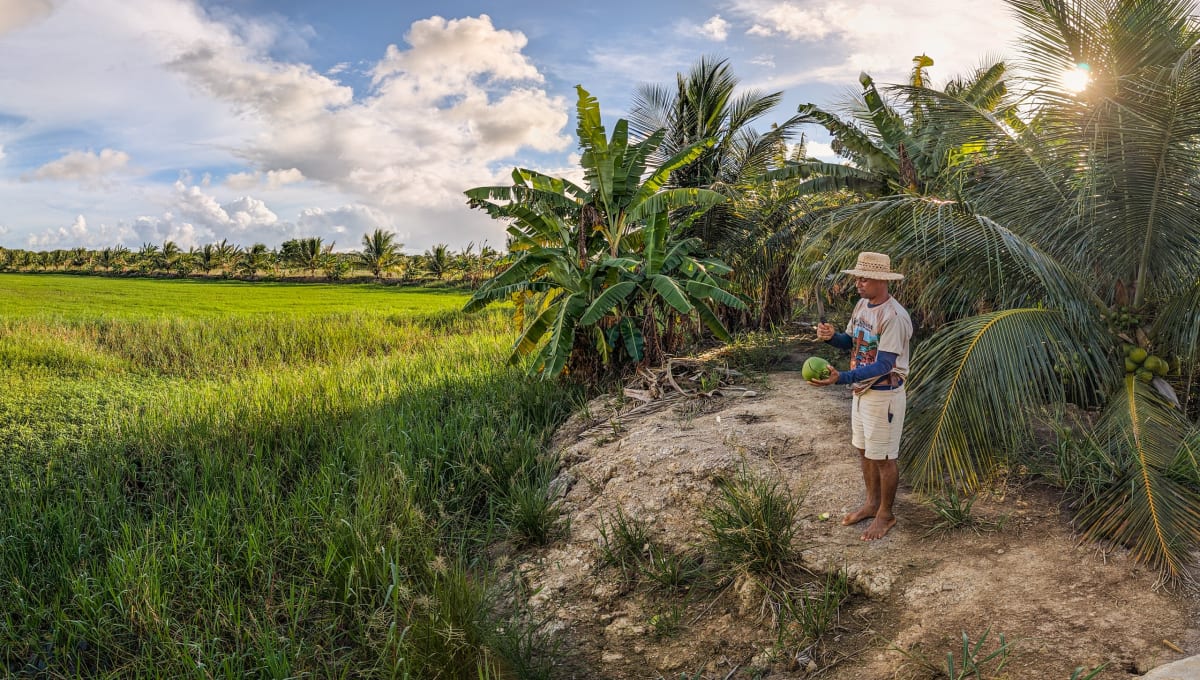
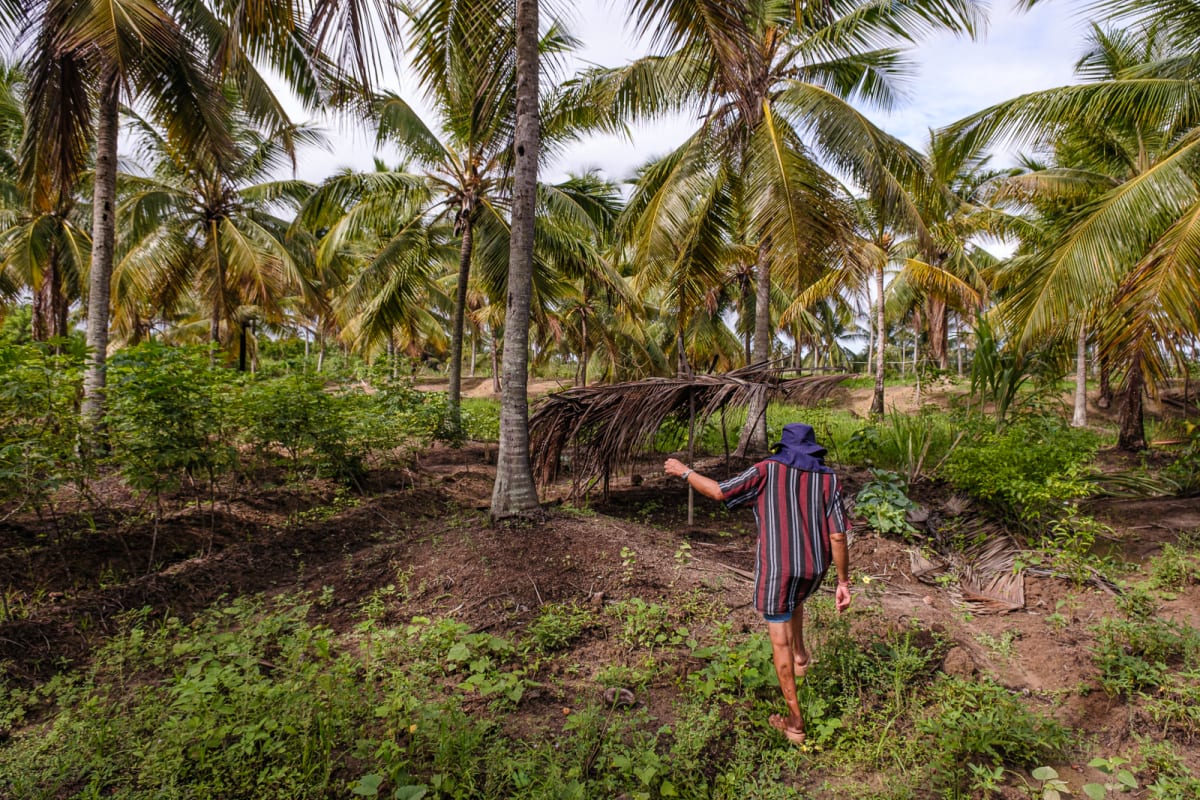
Rather than wait, the quilombolas got to work. Seeking independence from exploitative systems, they turned to agroecological farming, growing crops without pesticides or chemical fertilizers.
The results speak for themselves. Resina, one of the five communities, now produces more organic rice than any other farm in Sergipe state.
The Ripple Effect
The shift to pesticide-free farming is protecting more than just community health. The region's mangroves, which serve as nurseries for countless marine species, benefit from the chemical-free approach.
Traditional fishing and shellfish gathering, threatened by industrial shrimp farms encroaching on mangrove areas, remain vital to community life. By combining sustainable agriculture with artisanal fishing, the quilombolas are proving that economic progress and environmental protection can grow together.
Young people who might have left for cities now see a future on ancestral lands. The same soil that once enriched landowners through forced labor now yields harvests the community controls completely.
While legal battles for full land rights continue, these five communities aren't waiting for permission to build the lives their ancestors dreamed of when they first sought freedom in these forests.
More Images
Based on reporting by Mongabay
This story was written by BrightWire based on verified news reports.
Spread the positivity!
Share this good news with someone who needs it