Brazil's Humpback Whales Surge 27-Fold Since 1986
Humpback whales off Brazil's coast have exploded from 2,000 to 35,000 in less than 40 years, turning Rio's Guanabara Bay into a thriving whale-watching hotspot. The recovery proves that protection works, and now tourists are helping fund conservation just by witnessing these ocean giants.
The giant shadows gliding through Brazil's Guanabara Bay tell one of the ocean's greatest comeback stories.
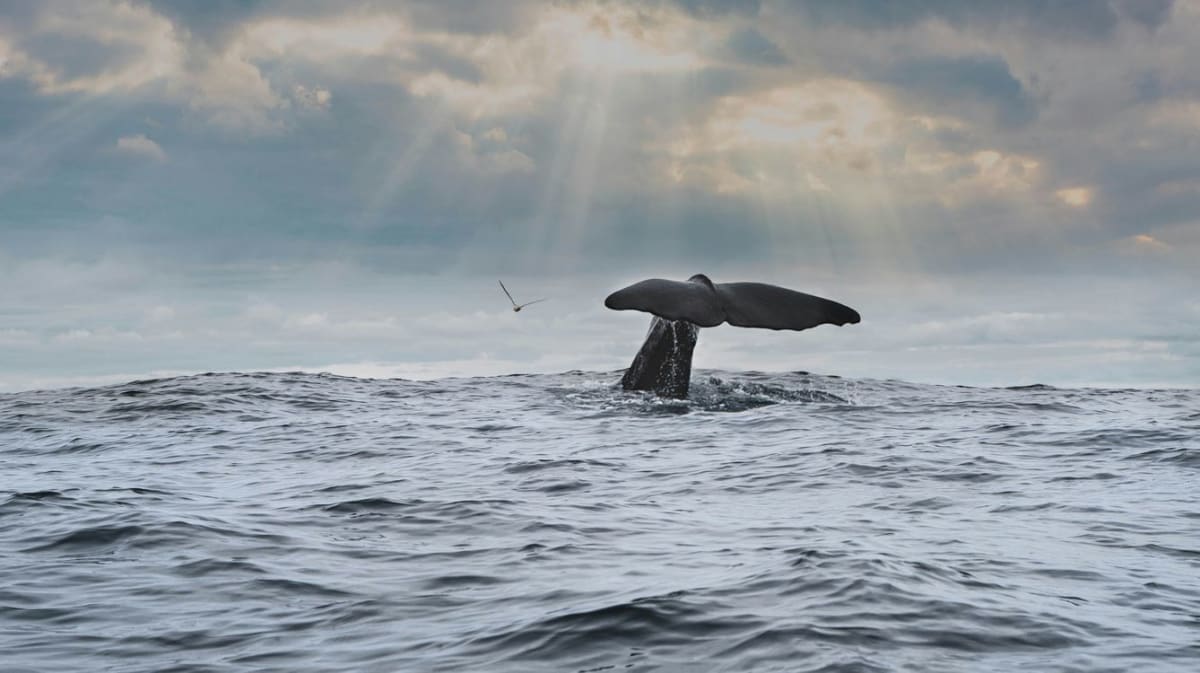
Humpback whales that once numbered just 2,000 along Brazil's coast in 1986 have surged to around 35,000 today. That's a 27-fold increase since commercial whaling ended, transforming what was nearly a local extinction into a booming population that draws thousands of visitors each year.
Every June through November, these massive mammals migrate from Antarctic feeding grounds to Brazil's warmer waters to breed and raise their young. Their journey takes them past Rio de Janeiro toward Abrolhos Bank, a coral reef region off the coasts of Bahia and Espirito Santo that ranks among the Atlantic's most biodiverse areas.
The recovery has sparked a new industry. Whale-watching tours in Guanabara Bay now give tourists front-row seats to breaching whales, tail slaps, and the playful antics of calves learning to navigate the ocean.
"It's wonderful," says Enrico Marcovaldi, co-founder of the Humpback Whale Project. "It shows that the whales are making a recovery, are healthy and thriving, and hopefully they'll continue to do so."
Groups like Friends of the Humpback Whale and Niteroi's tourism agency document the annual return. Their cameras capture moments that transform casual tourists into passionate advocates for ocean conservation.
André Bento, president of Niteroi's tourism agency, sees the deeper impact. "Tourism can be a tool for the protection of species," he told reporters during a late June outing. "I don't think anyone who gets on this boat comes off the same way."
The Ripple Effect
Brazil's whale recovery mirrors similar success stories worldwide. South Africa, eastern Australia, and Washington's Salish Sea near Seattle have all seen humpback populations rebound in recent years. In the Salish Sea, whales that disappeared for decades now number in the hundreds.
These recoveries prove that international protection efforts work when given time. The global ban on commercial whaling, combined with local conservation programs, has given humpbacks the breathing room they needed to rebuild their populations.
The economic benefits flow back to coastal communities through tourism. Every whale sighting creates jobs for boat operators, guides, and local businesses while funding the very conservation programs that protect the species.
When tourists witness a 40-ton humpback launch itself completely out of the water, they become storytellers who spread awareness far beyond Brazil's shores.
This summer's migration season promises more encounters, more wonder, and more proof that protecting nature pays dividends for both wildlife and people.
More Images
Based on reporting by Good News Network
This story was written by BrightWire based on verified news reports.
Spread the positivity!
Share this good news with someone who needs it