Amazon Rainforest Swallows Illegal Road in Rare Win
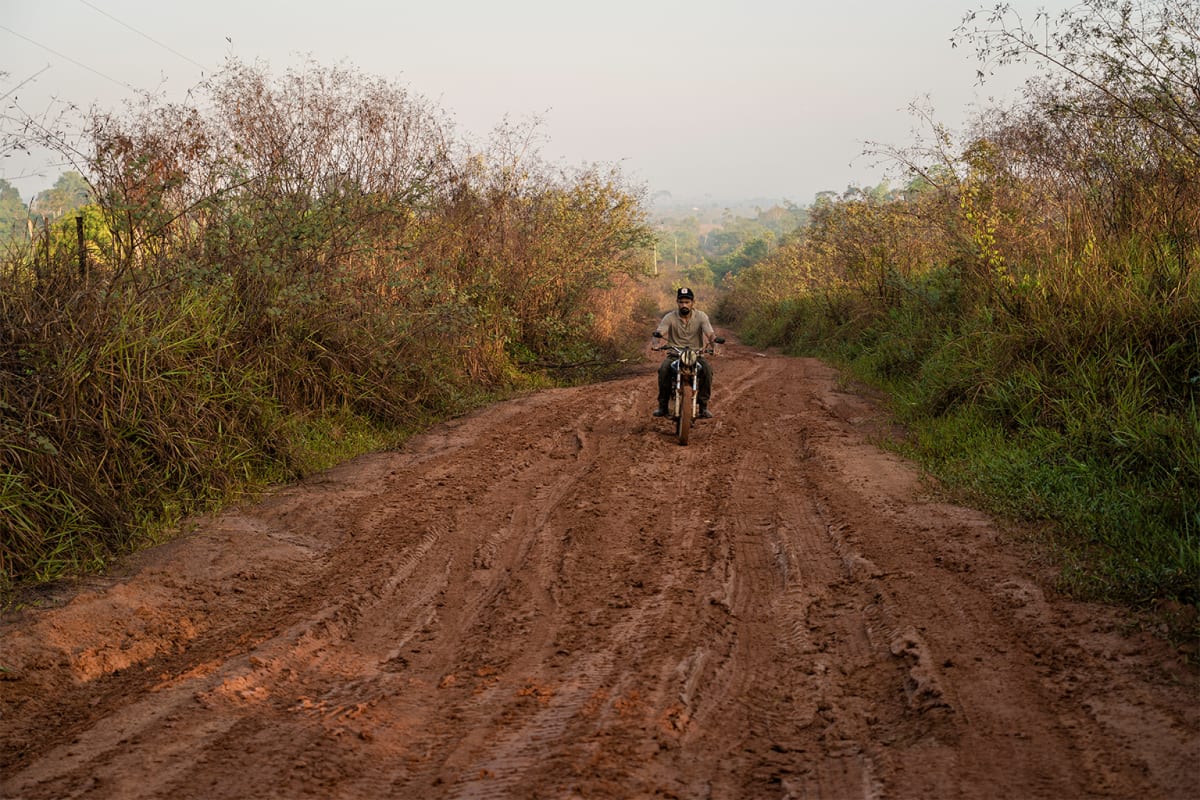
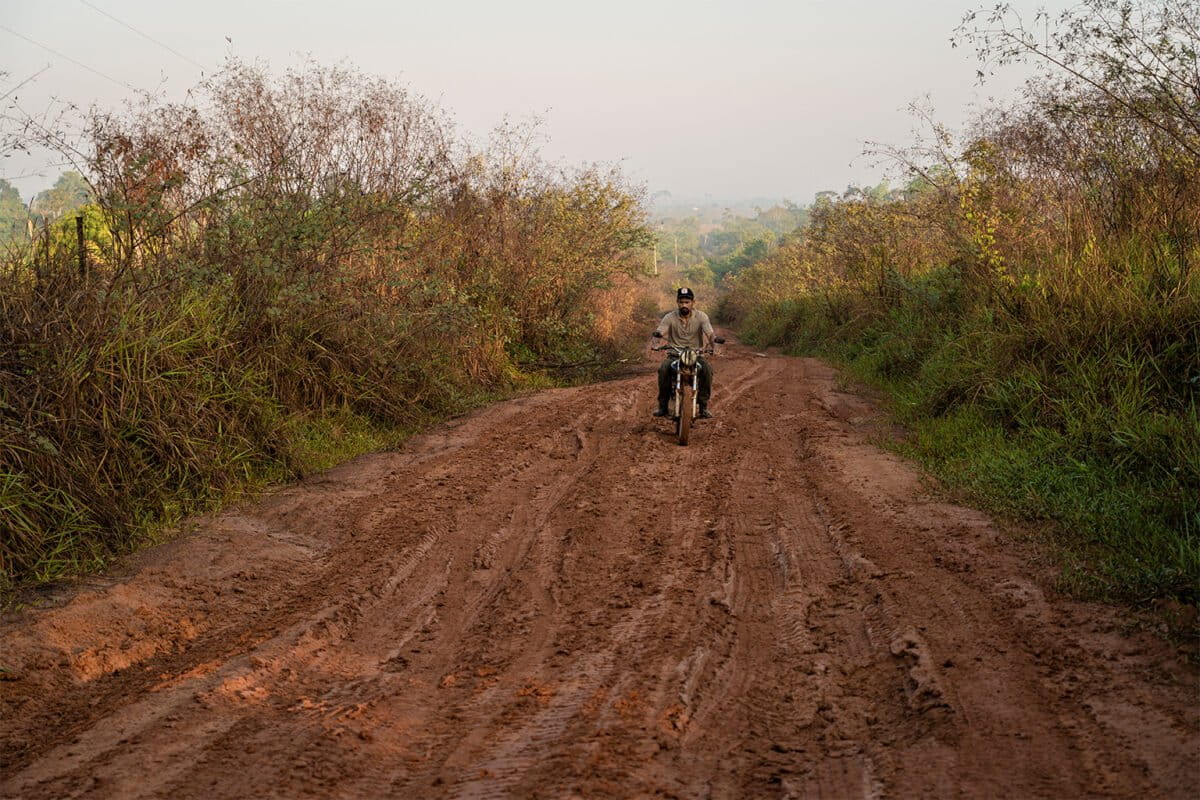
An illegal road that nearly split Brazil's massive Xingu rainforest corridor in half has vanished under regrowing trees. The 26-mile scar is gone thanks to civil society pressure and swift government action.
Something extraordinary happened in the Brazilian Amazon: A 26-mile illegal road simply disappeared, swallowed by regrowing forest where destruction usually spreads like wildfire.
The road carved through two protected areas in 2022, threatening to split the Xingu Socioenvironmental Corridor in half. This massive mosaic of Indigenous territories and conservation zones covers 64 million acres, roughly the size of Wyoming.
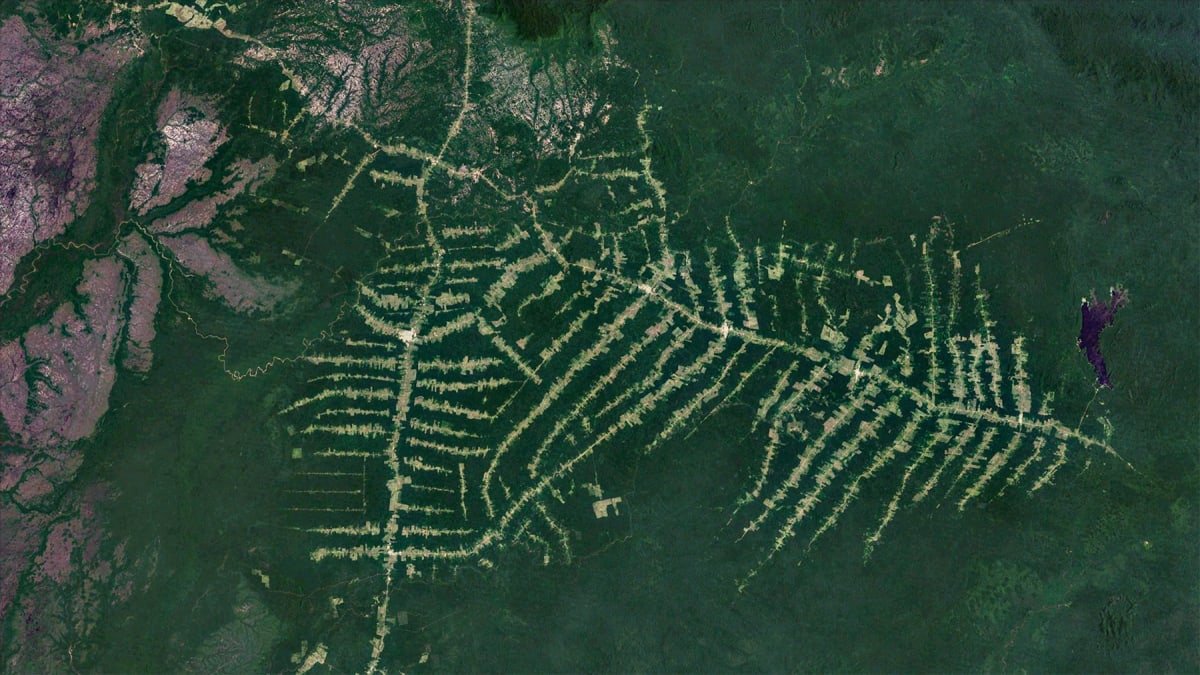
Illegal roads in the Amazon typically spawn devastation. They branch out in fishbone patterns, bringing cattle ranchers and loggers who clear everything in sight. Research shows 95% of Amazon deforestation happens within 3 miles of a road.
But this road met a different fate. Conservation groups caught it early through satellite monitoring in 2022, tracking how it served an illegal gold mine inside Terra do Meio Ecological Station. Within months, the road crossed the entire protected area, and clearing accelerated fast: 286 acres in July, over 2,500 acres in August, another 598 acres in September.
By late 2022, just 4 miles of intact forest separated two advancing fronts of land grabbers. The corridor hung by a thread.
Then Brazil's government changed hands. In January 2023, President Luiz Inácio Lula da Silva took office, replacing an administration that had paralyzed environmental enforcement. Conservation groups saw their chance.
Weeks later, they walked into the Ministry of Environment with maps and a clear message: This is your first test. The government responded in May 2023 with raids, arrests, and a permanent control station blocking access to the road.
The Ripple Effect
The crackdown worked beyond anyone's expectations. Satellite images now show the road vanished under new forest growth, something conservationists say rarely happens in the region. Even better, illegal road openings across the entire Xingu Basin dropped sharply after enforcement began.
Bruno Ferreira, a researcher at conservation nonprofit Imazon, calls the road's disappearance remarkable. "Here, the road is the beginning of everything, the beginning of the devastation," he told reporters. Stopping that first domino prevented a cascade of destruction.
The victory proves that civil society monitoring combined with responsive government can reverse damage once thought permanent. The alliance between watchdog groups and enforcement agencies created a model for protecting other threatened areas.
Conservationists remain cautious. The gains feel fragile with elections approaching and illegal miners regrouping. Indigenous territories face violent backlash from invaders who don't give up easily.
But for now, the forest is healing itself where chainsaws and bulldozers once ruled.
More Images

Based on reporting by Mongabay
This story was written by BrightWire based on verified news reports.
Spread the positivity!
Share this good news with someone who needs it