India's Native Plants Stop Landslides and Save Lives
Vetiver grass, bamboo, and mangroves are quietly protecting India from monsoon disasters. These plants evolved with local rainfall patterns and their deep roots prevent landslides, erosion, and flooding across the country.
While India prepares for another monsoon season, an army of native plants is already standing guard against disaster.
From the Western Ghats to the Himalayas, species like vetiver grass, bamboo, and broom grass are doing what concrete walls often can't: holding soil together when the rains come. Their roots dig deep, absorb water, and prevent the landslides and floods that claim lives every year.
In the Western Ghats, vetiver grass proved its worth during Kerala's devastating 2018 floods. While stripped slopes collapsed under heavy rain, areas planted with vetiver lost far less topsoil. The secret? Roots that reach 3 to 4 metres deep, creating an underground net that refuses to let go.
Bamboo works alongside vetiver, spreading fibrous roots horizontally to stitch soil together. Wild turmeric softens the rain's impact on exposed ground, while lemongrass holds loose topsoil in place.
The Himalayan states know landslide fear intimately. After heavy deforestation made slopes fragile, the 2023 Himachal Pradesh floods showed what happens when mountains lose their plant protection.
But communities using broom grass, Himalayan alder, and ringal bamboo saw their slopes hold strong. Researchers studying the 2013 North India floods found the same pattern: mixed native vegetation outperformed bare slopes every time.
Along the Gangetic plains, the battle is different but equally important. Rivers eat away at their own banks each monsoon, swallowing homes and farmland.
Kans grass, often dismissed as wild overgrowth, creates dense root mats that grip loose soil. Jamun and arjun trees anchor embankments with deep roots. Near Murshidabad, communities have trusted these plants for generations to slow the Ganges from claiming their land.
The Ripple Effect
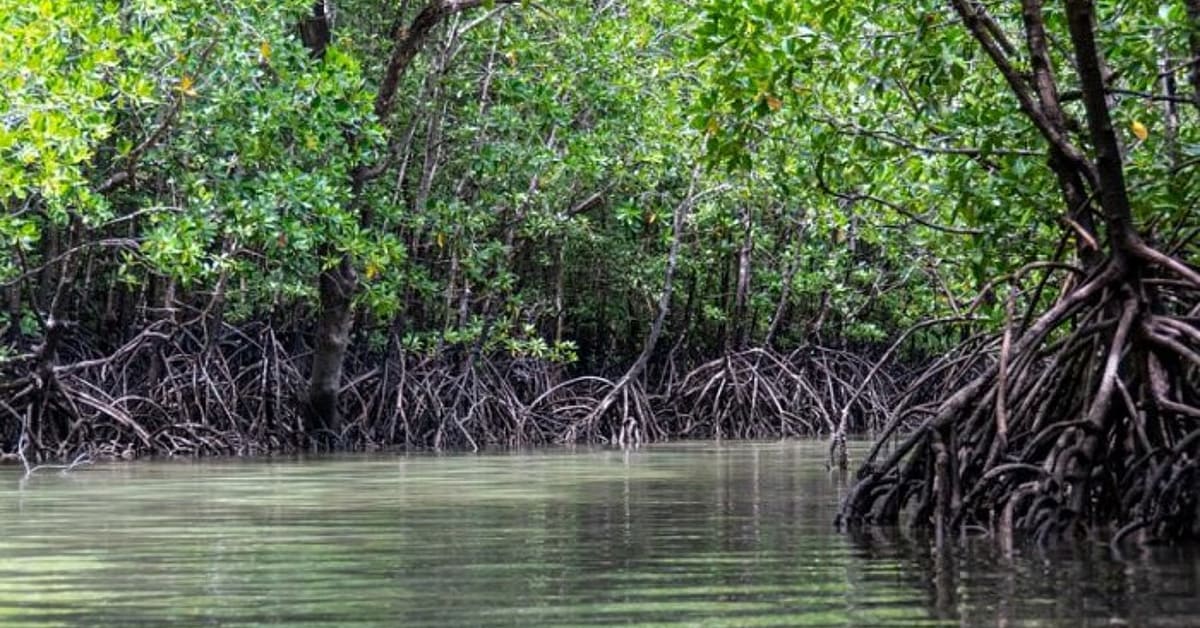
Coastal communities are learning what the Sundarbans already knew. During Cyclone Amphan and Cyclone Fani, villages protected by mangrove belts reported dramatically less damage than exposed areas.
Sundari, gewa, and keora mangroves don't just survive saltwater and tidal flooding. They trap sediment, slow waves, and absorb storm surges before they reach homes. When monsoon rains meet high tides, these trees take the first hit so people don't have to.
Scientists now recognize what farmers and mountain communities always understood: native plants are living infrastructure. They evolved with local weather patterns and know exactly how to handle them.
As climate change brings more intense rainfall, these ancient defenders matter more than ever.
More Images
%2Fenglish-betterindia%2Fmedia%2Fmedia_files%2F2026%2F06%2F29%2Fflood-management-2026-06-29-18-02-35.png)
%2Ffilters%3Aformat(webp)%2Fenglish-betterindia%2Fmedia%2Fmedia_files%2F2026%2F06%2F29%2Fflood-management-1-2026-06-29-18-04-06.png)
%2Ffilters%3Aformat(webp)%2Fenglish-betterindia%2Fmedia%2Fmedia_files%2F2026%2F06%2F29%2Fflood-management-2-2026-06-29-18-07-06.png)
Based on reporting by The Better India
This story was written by BrightWire based on verified news reports.
Spread the positivity!
Share this good news with someone who needs it