Atlantic Current Slowdown May Be Reversible, Model Shows
New climate research brings a rare piece of good news about ocean currents threatened by melting ice. Scientists found that even if a crucial Atlantic current weakens, the change would happen slowly and could reverse if we tackle climate change.
Scientists just delivered something rare in climate news: a reason for cautious optimism about one of Earth's most important ocean systems.
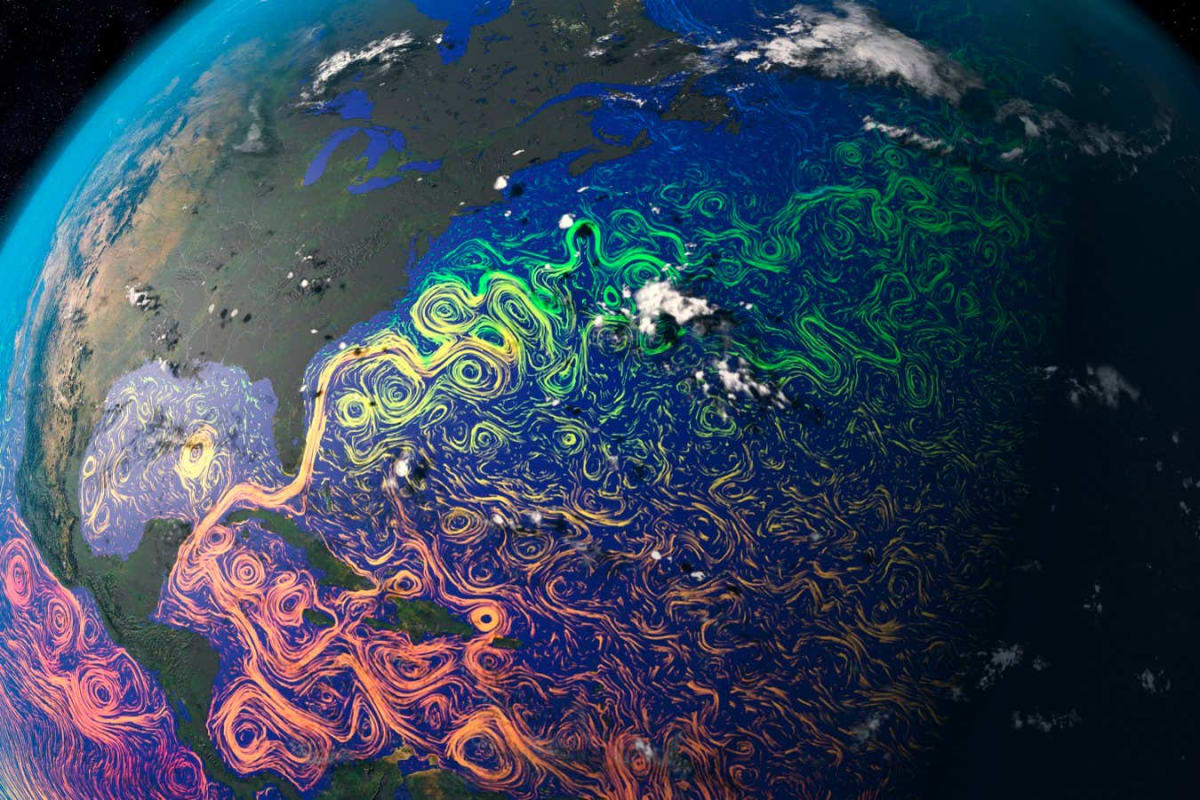
A cutting-edge climate model shows that the Atlantic Meridional Overturning Circulation, or AMOC, won't collapse suddenly if Greenland's ice continues melting. Even better, any slowdown could reverse itself if we get global warming under control.
The AMOC works like a massive conveyor belt in the Atlantic Ocean. It carries warm, salty water from the tropics north, where the water cools down, sinks to the ocean floor, and flows back south. This system helps regulate temperatures across Europe and North America.
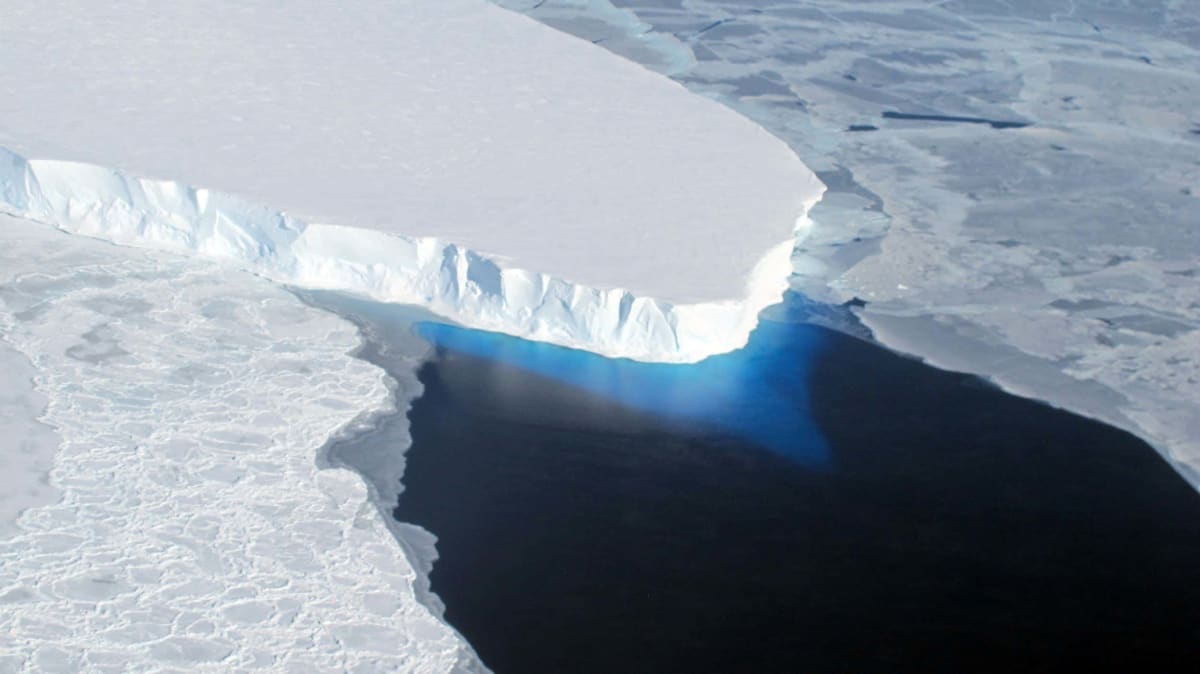
Scientists have worried that fresh water from Greenland's melting ice sheet could disrupt this process. When fresh water mixes with the dense, salty seawater, it becomes lighter and doesn't sink as easily. That could slow down or even stop the entire circulation.
The new research offers a more hopeful picture than some earlier predictions. Instead of a sudden shutdown that could trigger dramatic climate shifts, the model suggests the slowdown would happen gradually. That gives humanity more time to respond.
Here's the most encouraging part: the changes aren't permanent. If we manage to halt global warming, the AMOC could return to its normal strength over time.
The Bright Side
This research doesn't mean we can ignore the problem. The AMOC is still vulnerable, and Greenland is still losing ice at alarming rates. But it does mean we have more control over the outcome than we thought.
The gradual nature of potential changes also gives coastal communities, farmers, and governments more time to adapt. It transforms a potential climate catastrophe into a manageable challenge, assuming we take action on emissions.
Most importantly, the reversibility finding reinforces what climate scientists have been saying: it's not too late to make a difference. Every tenth of a degree of warming we prevent, every ton of emissions we cut, moves us closer to protecting these vital ocean systems.
The study used one of the most sophisticated climate models available, giving scientists confidence in the results. While no model is perfect, this represents our best current understanding of how the AMOC will respond to continued warming.
Climate news often feels overwhelming, but this research reminds us that Earth's systems have resilience we're still discovering.
More Images



Based on reporting by New Scientist
This story was written by BrightWire based on verified news reports.
Spread the positivity!
Share this good news with someone who needs it