Brazil's Indigenous Youth Fight Climate Change with Art
Three young Indigenous Brazilians are using dance, music, and photography to protect their lands as climate change threatens their ancestral homes. Their digital resistance is reaching millions and redefining what environmental activism looks like.
While wildfires rage across Brazil's Cerrado and droughts reshape the Amazon, three young Indigenous creators are fighting back with art that's reaching millions online.
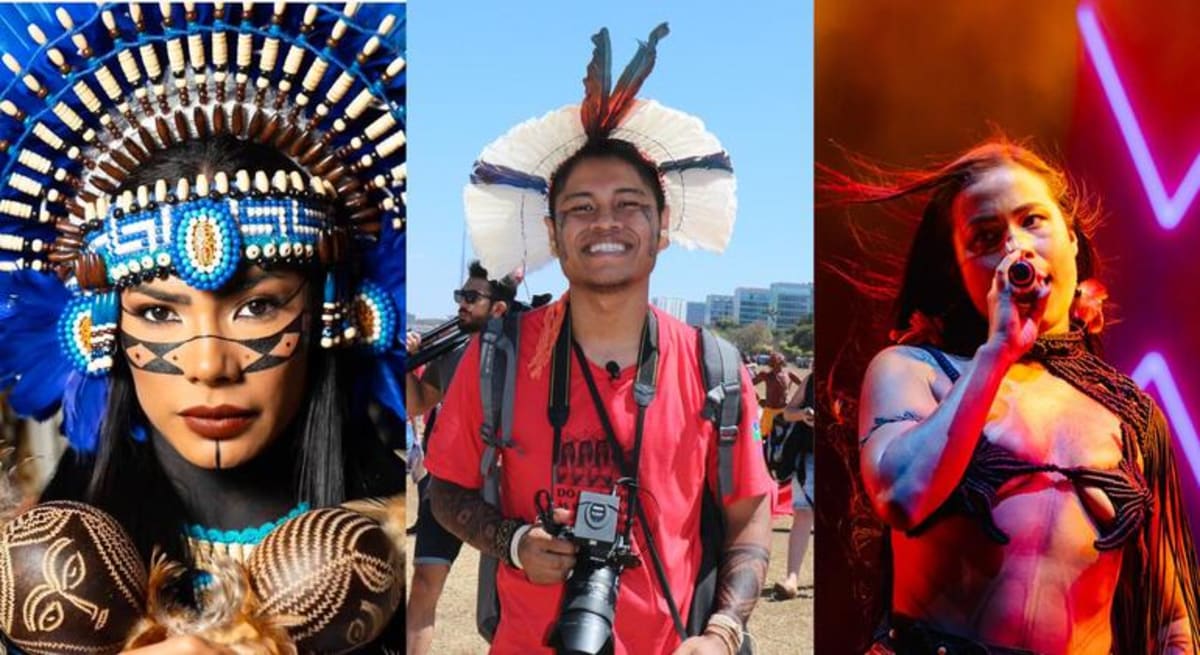
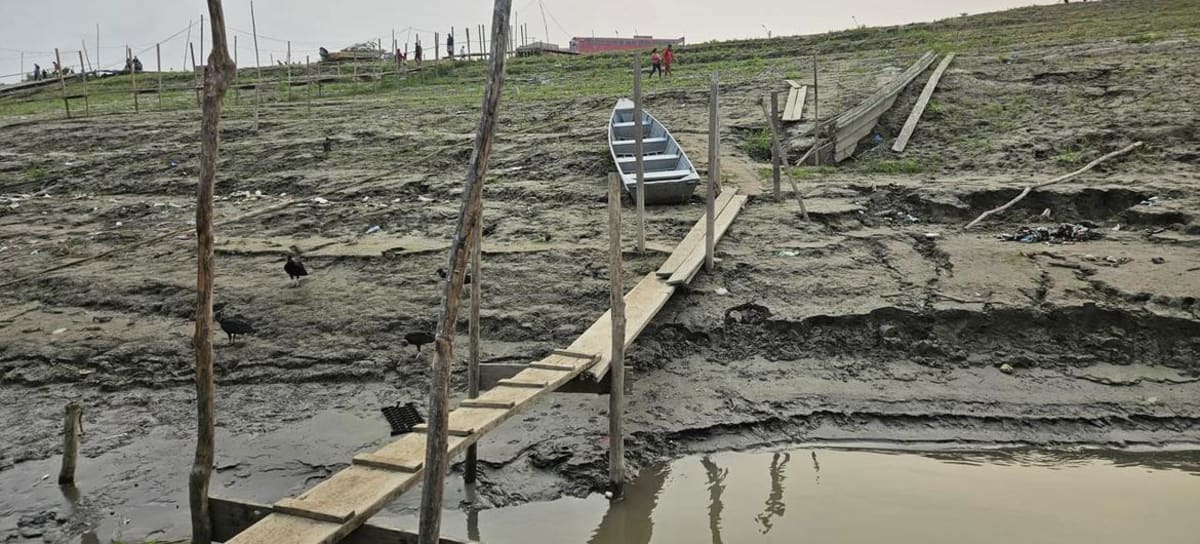
Marciele Albuquerque grew up swimming in rivers and gathering fruit near her Munduruku village in Juruti. Today, those same rivers tell a darker story: fruits that once grew steps from home now require long walks to find, and droughts alternate with devastating floods.
Cristian Wariu watches uncontrollable fires sweep through his Xavante territory in Mato Grosso state, destroying the food chain his people depend on. Kaê Guajajara, raised in Rio de Janeiro after her Guajajara people faced displacement, now writes songs about deforestation because, as she says, "we're living it."
But these three aren't just witnessing climate change. They're using their platforms as weapons of hope.
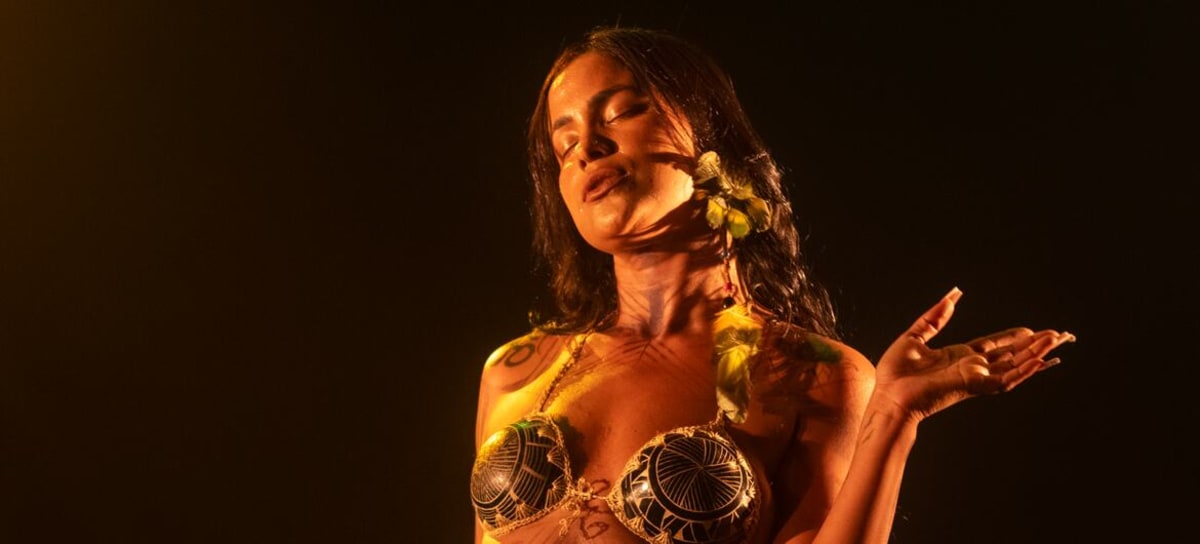
Marciele became the first Indigenous woman ever to win Cunhã-Poranga, the highest female cultural title at Brazil's massive Parintins Folklore Festival. Her victory song named Indigenous peoples across Brazil, celebrating the country's extraordinary diversity through dance.
Kaê blends traditional maracá sounds with electronic synthesizers, rejecting the idea that smartphones or modern music diminish Indigenous identity. Her song "Samaúma," named for a sacred centuries-old tree, carries a powerful message: "No matter how much concrete you pour onto the ground, the roots will always push through."
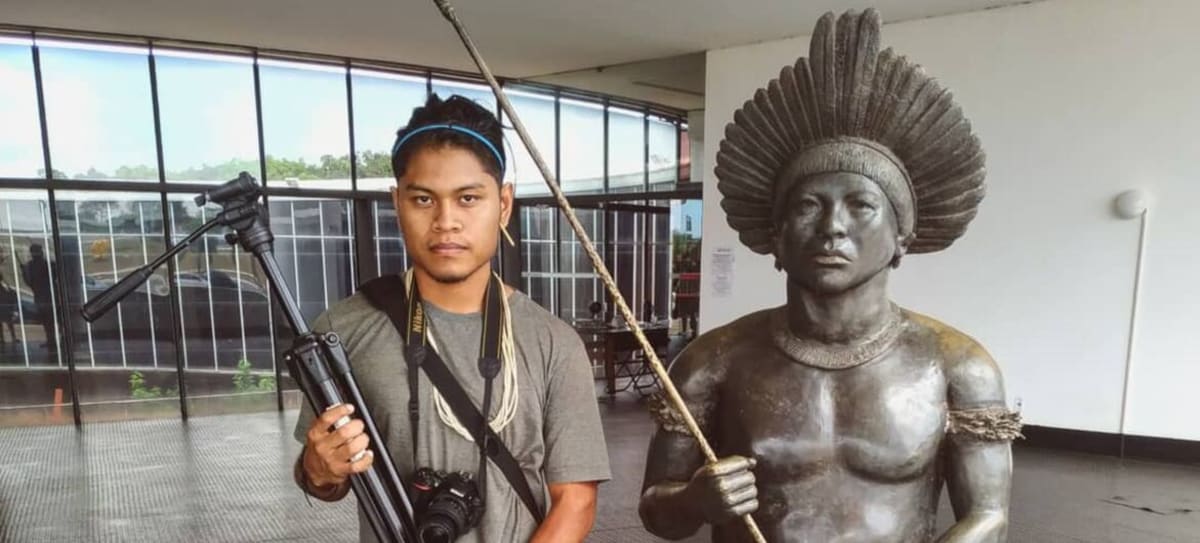
Cristian turned to photography and digital communication, joining the UN's Verified initiative to counter climate misinformation. His generation, he explains, fights differently than their elders who secured constitutional rights through politics.
"Demarcation is no longer just about politics. It's also about occupying screens," Cristian said. "One strengthens the other."
The Ripple Effect
Their work reaches far beyond their communities. All three are helping the UN combat climate misinformation that puts vulnerable populations at risk, translating complex environmental threats into messages that resonate across social media.
About half of Brazil's Indigenous population now lives in cities, and Kaê is pushing for stronger policies to support urban Indigenous communities. Meanwhile, Marciele's festival victory brought Indigenous visibility to one of Brazil's largest cultural events, watched by millions.
Together, they're proving that visibility itself has become power. The UN estimates over 370 million Indigenous people worldwide are already experiencing climate impacts, but this generation is ensuring their stories won't be erased by rising temperatures or vanishing forests.
Cristian credits earlier activists with building the foundation. His generation's contribution? Making sure the whole world is watching.
More Images

Based on reporting by UN News
This story was written by BrightWire based on verified news reports.
Spread the positivity!
Share this good news with someone who needs it