Brazil's Rooftop Solar Financing Stays Strong at $2.7B
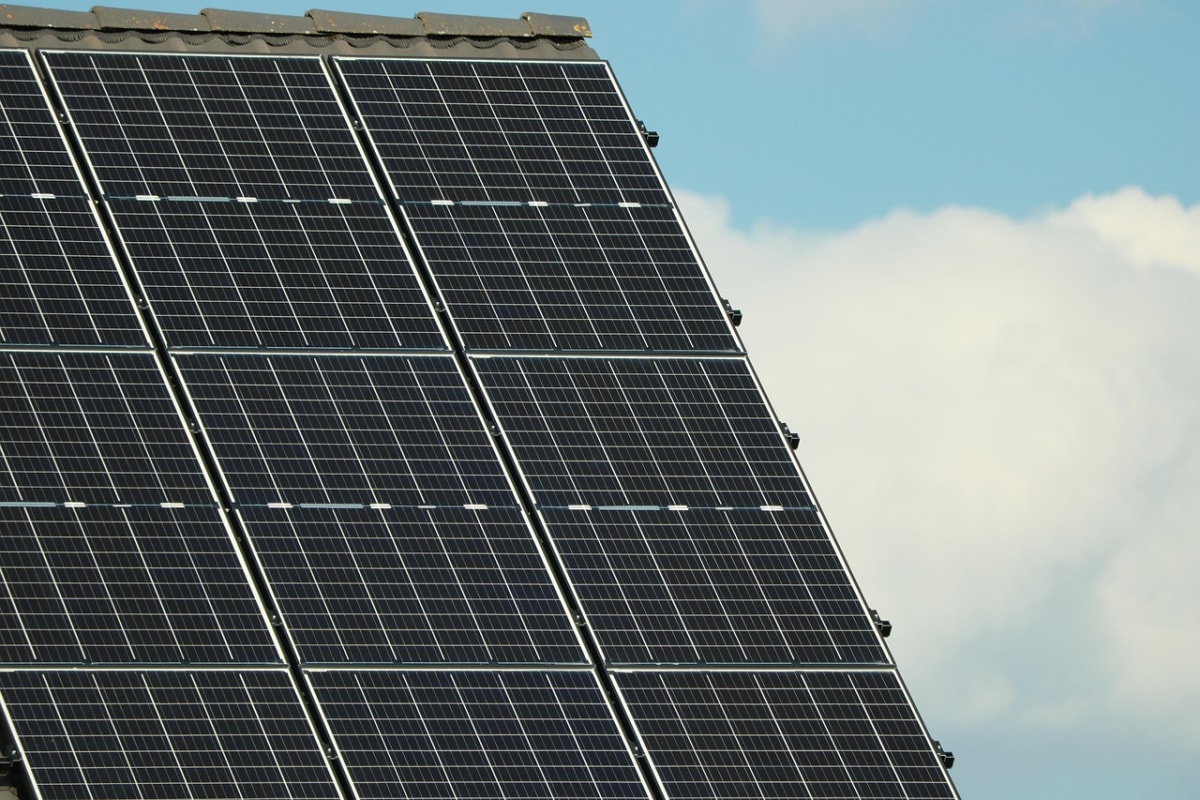
While big solar farms struggle with high interest rates, Brazil's rooftop solar sector is holding steady with $2.7 billion in financing. Homeowners and businesses are proving that local, small-scale renewable energy can weather economic storms better than massive utility projects.
Brazil's rooftop solar industry just showed the world how to stay resilient when times get tough.
Financing for distributed solar generation held steady at $2.7 billion in 2025, even as investment in large solar farms dropped by 40% from their 2022 peak. The difference comes down to a simple advantage: when you generate electricity right where you use it, you're far less vulnerable to market swings and regulatory changes.
The rooftop sector saw a massive rush in 2022 when 21.8 billion reais poured in as property owners raced to lock in favorable rates before new rules took effect. After that deadline passed, financing stabilized rather than collapsed, settling between $2.4 billion and $2.7 billion annually through 2025.
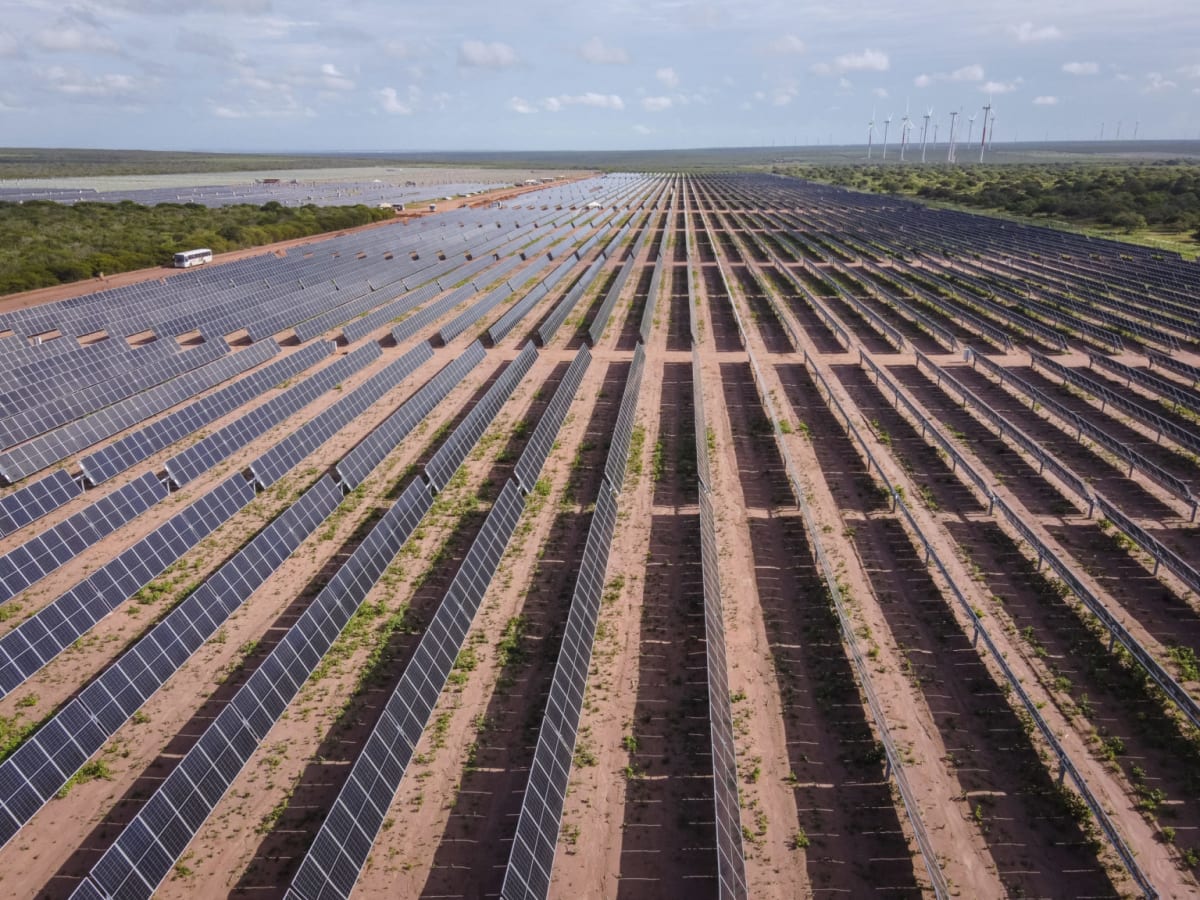
Large utility-scale solar farms weren't so lucky. Their financing fell from $2.8 billion in 2022 to just $1.7 billion in 2025 as Brazil's benchmark interest rate climbed to 14.25%, its highest level since 2016.
Big solar farms face another challenge that rooftop systems avoid entirely. Because they all generate power during the same daytime hours, they flood the market with electricity precisely when prices drop the lowest. Rooftop systems sidestep this problem because homes and businesses use most of their solar power the moment it's generated.
Wind power is staging a comeback too, with financing up 40% in 2025 to $2.3 billion. Energy companies are pairing wind and solar projects to create more reliable power throughout the day, since wind often blows strongest when the sun isn't shining.
The Ripple Effect
Brazil's experience holds lessons for renewable energy transitions worldwide. Distributed generation creates more stable investment opportunities because it depends less on wholesale electricity prices and more on direct consumer savings.
The resilience of rooftop solar is helping Brazil maintain momentum toward its clean energy goals even during economic headwinds. Battery storage is growing too, though current figures undercount its expansion because many batteries installed with solar panels get classified as solar investments.
As interest rates eventually normalize and grid management improves, Brazil's renewable energy sector is positioned to accelerate from this steady foundation built on thousands of rooftops across the country.
More Images


Based on reporting by PV Magazine
This story was written by BrightWire based on verified news reports.
Spread the positivity!
Share this good news with someone who needs it