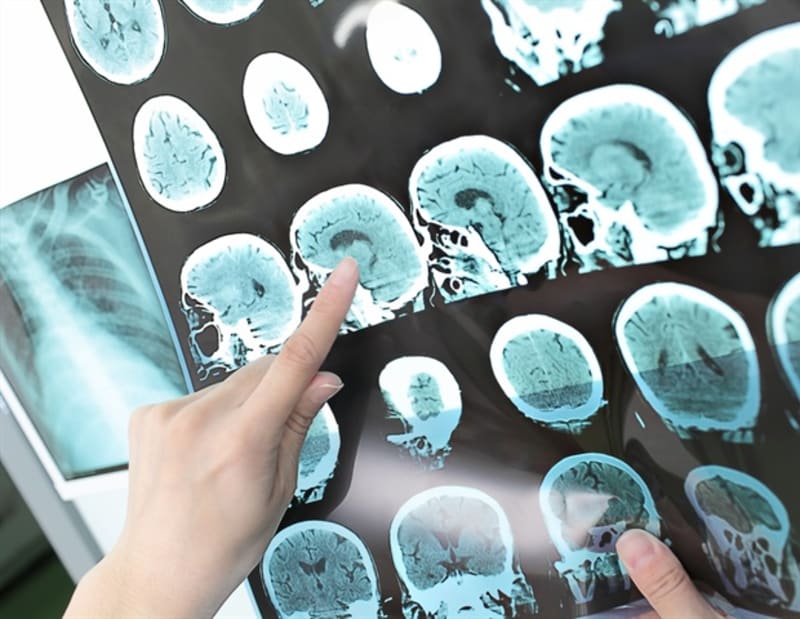
Breakthrough: Scientists Unlock Brain's Healing Potential After Stroke
Researchers have made an exciting discovery in regenerative medicine, successfully using stem cells to repair stroke damage in the brain. The transplanted cells not only survived in damaged tissue but also found their way to the right locations and restored function—a promising step toward healing brain injuries.
In a remarkable advancement that brings new hope to millions affected by stroke and brain injuries, scientists have discovered how to help the brain heal itself using stem cell therapy. The groundbreaking research, published by teams at Sanford Burnham Prebys Medical Discovery Institute and Duke-National University of Singapore Medical School, reveals nature's own roadmap for brain repair.
While our bodies excel at healing certain tissues—like the cornea of the eye, which can recover from scratches in just a day—the brain has traditionally been far less forgiving. Adult brain cells are designed to last a lifetime, making damage from stroke or trauma particularly devastating. But this new research is changing what we thought possible about brain regeneration.
Dr. Su-Chun Zhang and his team have tackled one of medicine's most challenging puzzles: how to help therapeutic cells not just survive in damaged brain tissue, but thrive and rebuild what was lost. Their innovative approach uses a carefully designed mixture of small molecule drugs and structural proteins to create a supportive environment for transplanted stem cells.
The results are nothing short of inspiring. When transplanted into damaged brain areas in mice, the therapeutic cells didn't just survive—they matured into functioning neurons, broke through scar tissue, and integrated seamlessly into existing brain circuits. Most remarkably, these new cells seemed to know exactly where they needed to go and what connections to form.
"It's like watching nature's own GPS system at work," explains the research. Each type of transplanted neuron carries its own genetic code that guides it to specific destinations in the brain and spinal cord. Using advanced genetic barcoding and machine learning, the scientists identified four distinct subtypes of neurons, each with unique navigational instructions encoded in their genes.
What makes this discovery particularly exciting is that the reconstructed neural pathways closely resembled the natural patterns found in healthy brains. The transplanted cells were building real bridges, not bridges to nowhere—restoring genuine function rather than creating random connections.
This research represents a fundamental shift in our approach to brain injury. Rather than trying to work around damaged areas, scientists can now directly heal the trauma itself. The damaged regions, once thought to be permanent cavities of lost potential, can now be filled with functioning neural tissue.
For the millions of people worldwide who experience strokes each year, and for countless others living with brain injuries, this research opens doors that seemed permanently closed. While the work is still in experimental stages, it provides a clear pathway forward for developing treatments that could one day help patients recover functions like motor skills and memory that were previously considered irretrievably lost.
The beauty of this discovery lies in its simplicity: by providing the right cells and the right environment, the brain's natural wisdom takes over. The cells already know where to go and what to do. Scientists are learning to work with the brain's innate intelligence rather than against it, unlocking regenerative abilities we never knew existed.
As research continues, this breakthrough brings us closer to a future where stroke and brain injury need not mean permanent disability—a future where the brain can truly heal itself.
More Images

Based on reporting by Google News - Scientists Discover
This story was written by BrightWire based on verified news reports.
Spread the positivity! 🌟
Share this good news with someone who needs it
More Good News
 🧘 Health & Wellness
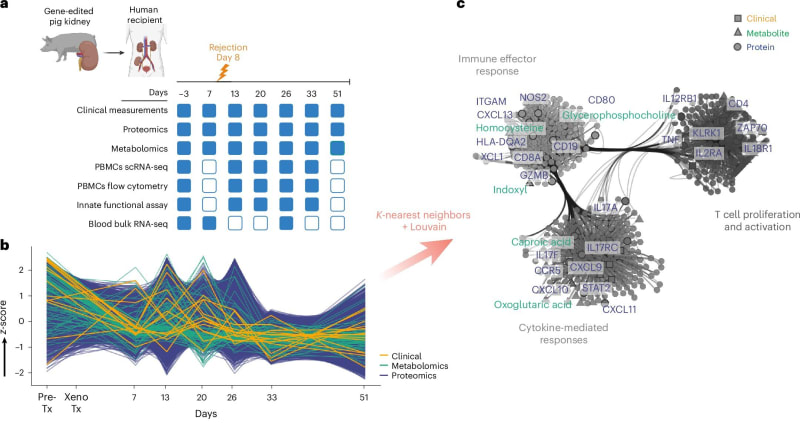
Brazilian Scientists Crack Code on Pig-to-Human Kidney Transplants
 🧘 Health & Wellness
Chinese Scientists Map 10M Immune Cells, Unveiling Surprising Human Diversity
 🧘 Health & Wellness
Manchester Researchers' Breakthrough Cuts Antibiotic Use, Saves Lives in Sepsis Care
Joke of the Day
Why did the dog apply for a job at the bank?
Explore Categories
Quote of the Day
"The greatest thing you'll ever learn is just to love and be loved in return."
— Moulin Rouge (from the film, popularized by Ewan McGregor)