
Breakthrough Smartphone App Brings Hope to Stroke Survivors with Sleep Problems
Researchers have developed an innovative smartphone-based system that makes diagnosing sleep apnea easier, more comfortable, and accessible for stroke patients. This groundbreaking technology could transform post-stroke care by bringing advanced sleep monitoring right into patients' homes.
In an exciting development for stroke recovery, scientists have created a game-changing smartphone application that's making it easier than ever for stroke survivors to get the sleep help they need. This warm embrace of modern technology represents a significant leap forward in making healthcare more accessible and patient-friendly.
Researchers at the Institute for Bioengineering of Catalonia, working alongside the Guttmann Institute, have successfully demonstrated that something as simple as a smartphone can revolutionize how we monitor and treat sleep apnea in stroke patients. Led by Professor Raimon Jané and researcher Yolanda Castillo, the team has opened doors to better care for millions of people worldwide.
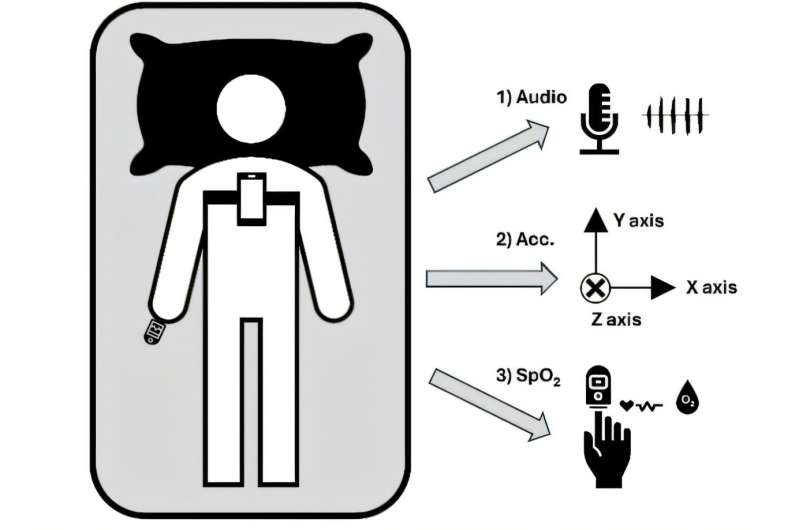
The beauty of this innovation lies in its simplicity and accessibility. Rather than requiring patients to undergo uncomfortable, expensive, and complex sleep studies in clinical settings, the new system harnesses the power of sensors already built into smartphones. Combined with a wireless fingertip pulse oximeter, patients can now be monitored comfortably in their own beds, surrounded by the familiar comfort of home.
The system works by recording acoustic signals, movement patterns, and oxygen levels throughout the night, creating a comprehensive picture of a patient's sleep health. This multimodal approach provides doctors with detailed digital biomarkers related to breathing, body position, and oxygen saturation—all the information they need to provide excellent care.
Professor Jané emphasizes the transformative potential of this technology: "Integrating digital biomarkers obtained with smartphones can improve the detection, understanding and management of sleep apnea after a stroke, reducing its clinical impact and promoting functional recovery." This isn't just about diagnosis; it's about empowering patients on their journey to recovery.
The research team's study involved sixty participants and revealed important insights about sleep patterns following stroke. While the findings showed that sleep apnea is indeed common among stroke survivors, the silver lining is that this new technology means we can now identify and address these issues earlier and more effectively than ever before.
What makes this breakthrough particularly heartening is its potential to democratize healthcare. Sleep studies have traditionally been limited by availability, cost, and complexity. Now, this portable, straightforward solution means that many more patients can access the monitoring they need, regardless of their location or economic circumstances.
The implications for early-stage post-stroke rehabilitation are especially promising. By enabling continuous monitoring in both clinical and home settings, healthcare providers can offer more personalized, responsive care tailored to each patient's unique recovery journey. This represents a fundamental shift toward patient-centered medicine that meets people where they are.
This wonderful collaboration between technology and healthcare shows us that innovation can make medicine more human, not less. As we continue to embrace mobile health solutions, we're not just advancing science—we're making compassionate, comprehensive care accessible to everyone who needs it.
The research, published in IEEE Transactions on Neural Systems and Rehabilitation Engineering, stands as a beacon of hope for stroke survivors and their families, promising better sleep, improved recovery, and ultimately, enhanced quality of life.
More Images
Based on reporting by Medical Xpress
This story was written by BrightWire based on verified news reports.
Spread the positivity! 🌟
Share this good news with someone who needs it
More Good News
 🧘 Health & Wellness
Breakthrough Imaging Tool Brings New Hope for Bladder Cancer Patients
Cancer Breakthrough: Scientists Create Powerful New Immune-Boosting Treatment
 🧘 Health & Wellness
Breakthrough: Scientists Unlock Brain's Healing Potential After Stroke
Joke of the Day
Why don't scientists trust atoms?
Explore Categories
Quote of the Day
"The only way to do great work is to love what you do."
— Steve Jobs