Breast Milk Fights Antibiotic Resistance in Babies
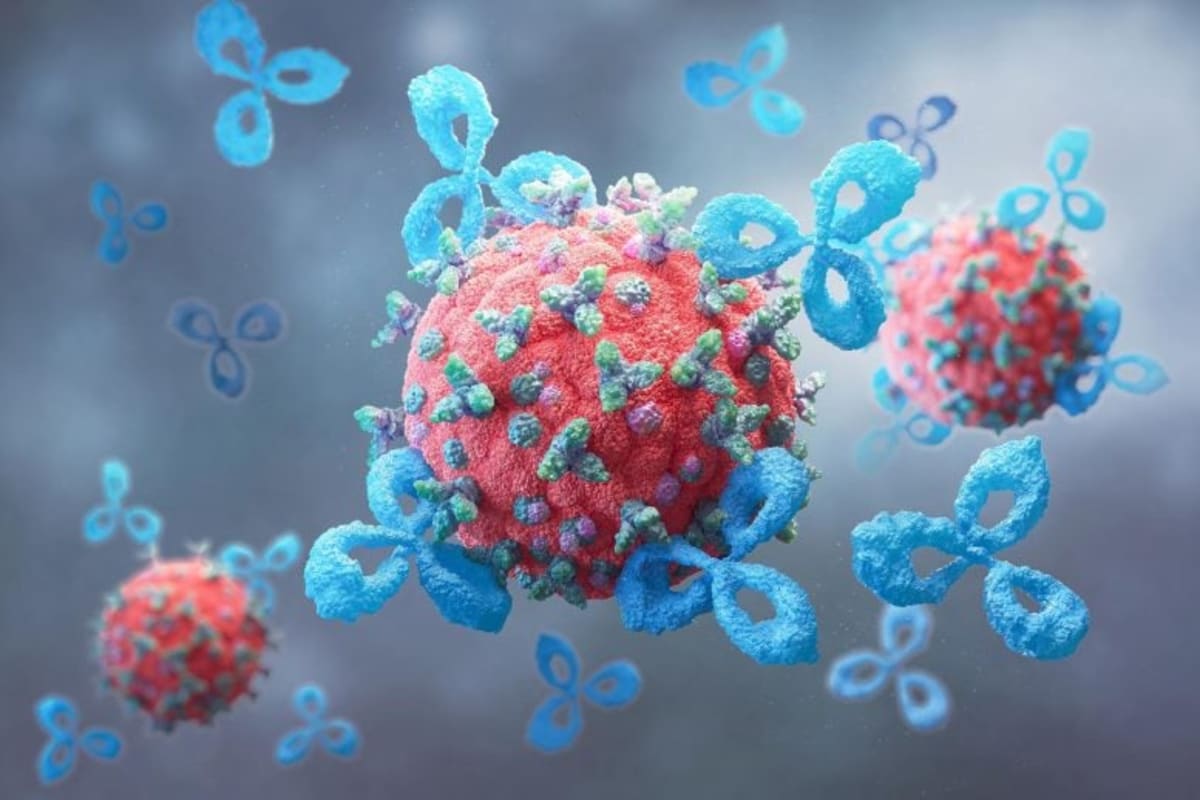
Scientists in Spain discovered that breastfed babies have fewer antibiotic-resistant genes in their gut, offering new hope in the global fight against superbugs. Special sugars in breast milk create an environment that naturally limits harmful bacteria.
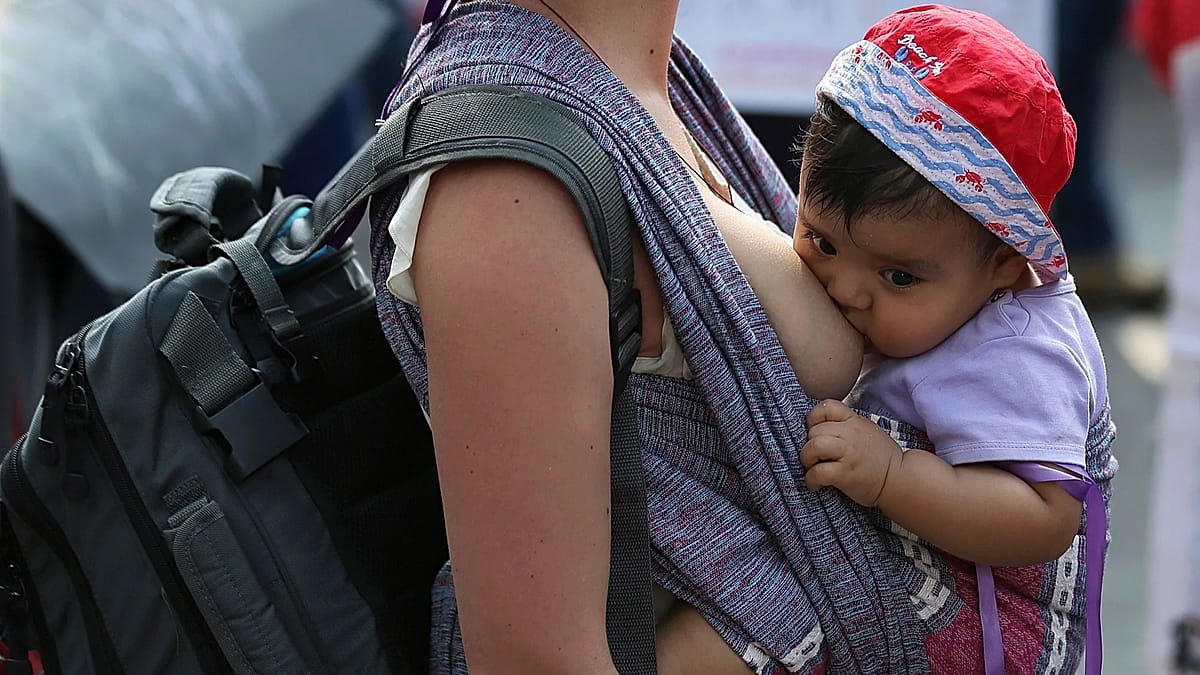
New research from Spain brings encouraging news for families worried about antibiotic resistance: breast milk appears to naturally protect babies from developing resistant bacteria in their tiny digestive systems.
Scientists at Spain's National Research Council studied 57 one-month-old babies in Valencia and later confirmed their findings with data from 199 infants in the Netherlands. What they found was remarkable: exclusively breastfed babies carried far fewer antibiotic-resistant genes in their gut bacteria.
The secret lies in special sugar molecules called human milk oligosaccharides, or HMOs. Babies can't digest these sugars themselves, but that's not their purpose. Instead, they act like fertilizer for beneficial gut bacteria while making it harder for harmful, resistant bacteria to take hold.
"HMOs act as ecological modulators of the gut microbiota," explains M. Carmen Collado, the CSIC researcher who led the study. "They promote the growth of microorganisms capable of using them and may limit the spread of bacteria carrying specific resistance genes."
The research team analyzed both milk samples from mothers and stool samples from their babies. The pattern was clear: the more a baby relied on breast milk, the fewer resistance genes showed up in their system.
Birth method matters too. Babies born via vaginal delivery showed different resistance gene patterns than those born by cesarean section, though breastfeeding helped both groups.
The Ripple Effect
This discovery arrives at a critical moment. Antibiotic resistance threatens to undo decades of medical progress, with common infections becoming increasingly difficult to treat. Finding natural ways to limit resistant bacteria during infancy could have lasting effects.
The first months of life represent a crucial window when a baby's gut microbiome is forming. Anna Samarra, a researcher on the study team, notes that factors like birth method and feeding choices "can leave a lasting imprint" during this period.
The study doesn't suggest breast milk is a cure-all. Not every family can breastfeed exclusively, and many babies thrive on formula. But understanding how breast milk naturally limits resistant bacteria could help scientists develop new strategies for all infants.
Researchers hope these findings might eventually lead to better infant formulas or probiotic supplements that mimic breast milk's protective effects. For now, the study published in Cell Reports Medicine adds one more benefit to breastfeeding's already impressive resume.
The work offers something parents and doctors both need: a natural, accessible tool in the fight against one of medicine's biggest challenges.
More Images


Based on reporting by Euronews
This story was written by BrightWire based on verified news reports.
Spread the positivity!
Share this good news with someone who needs it