Brisbane's 300-Strong Reconciliation Dinner Launches New Plan
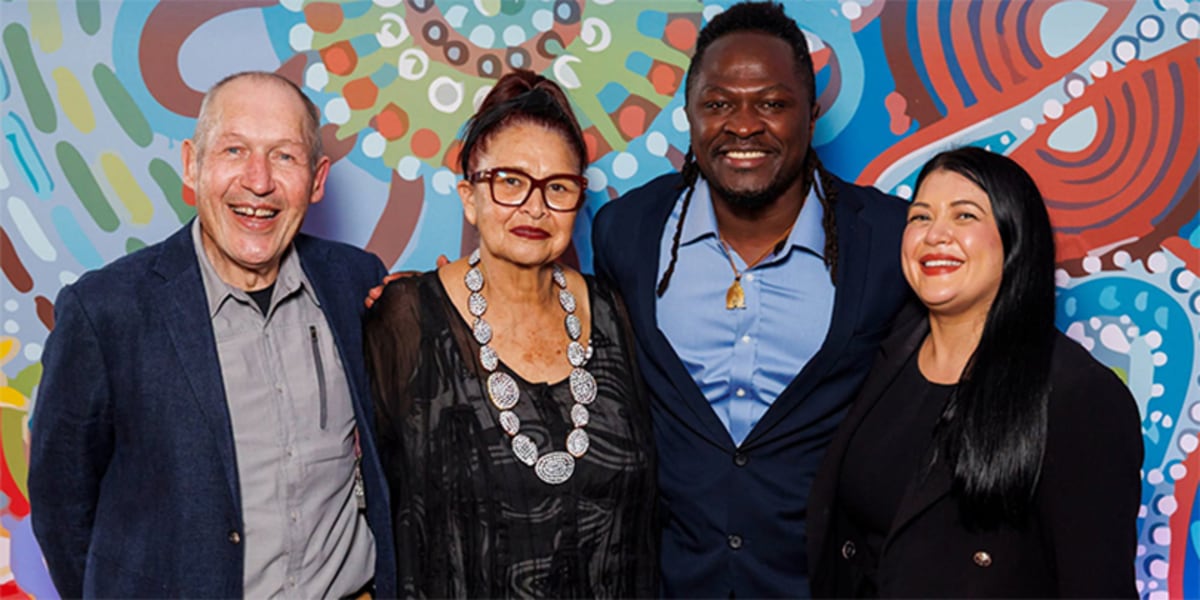
More than 300 people gathered in Brisbane to celebrate First Nations culture and launch the archdiocese's third Reconciliation Action Plan. The evening featured powerful testimony from Aboriginal elders who've dedicated decades to education and healing.
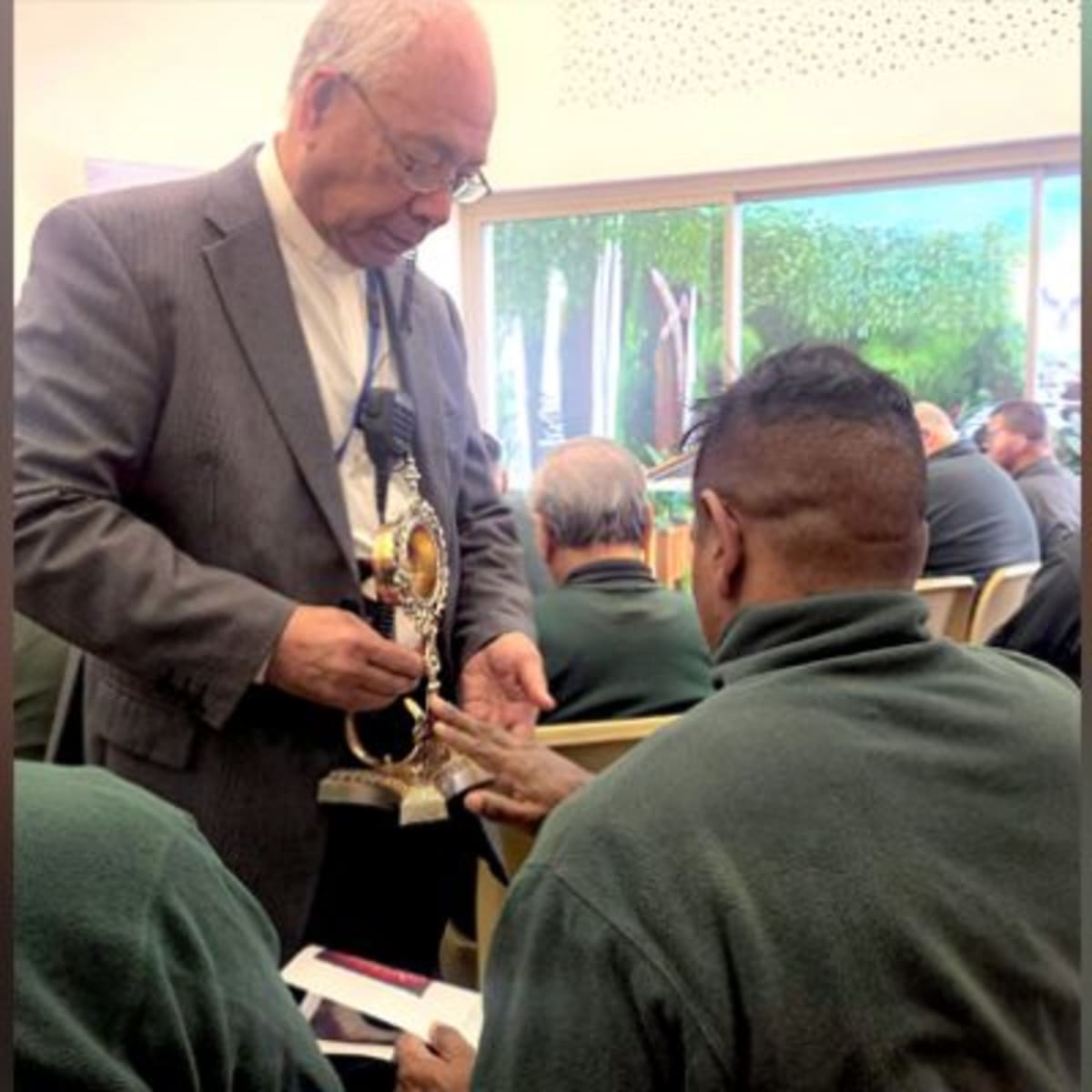
Three hundred people sat in absolute silence as Dr Aunty Denise Proud shared her life's journey from teaching kindergarten at age 16 to ministering in prisons for two decades.
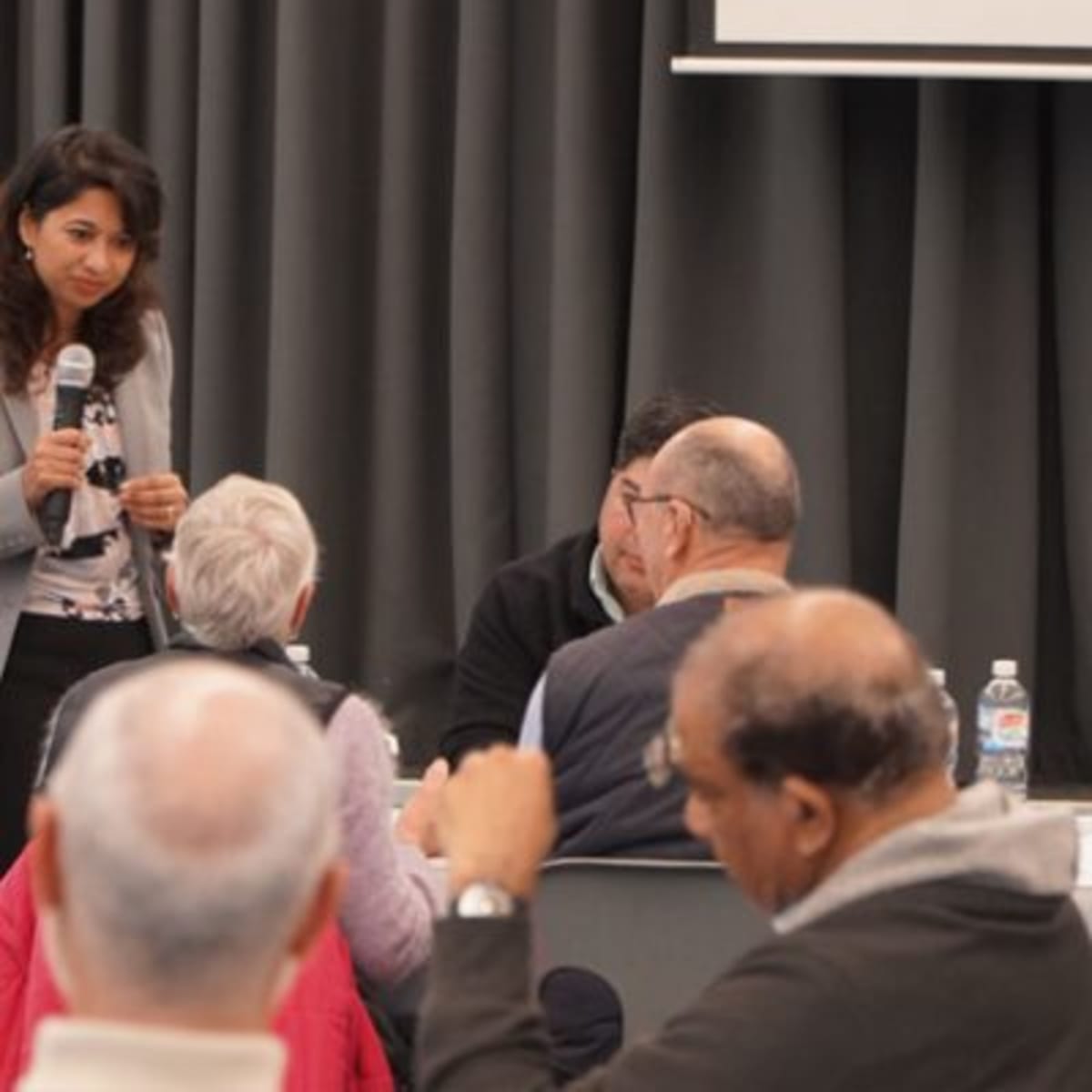
The Brisbane Archdiocese's annual Reconciliation Dinner brought together elders, parish representatives, and community members on September 11 to honor First Nations culture and truth-telling. The gathering also marked the official launch of the archdiocese's third Reconciliation Action Plan, showing continued commitment to building bridges.
Aunty Proud, a Koa and Kuku-Yalanji woman from the University of Queensland, delivered a keynote that captivated the room. Her speech traced her pioneering work in early childhood education at Cherbourg and her ministry helping heal lives in the prison system.
"You could have heard a pin drop right through the time that she was talking," Brisbane Archbishop Shane Mackinlay said. He praised her testimony for resonating with "such authenticity and integrity."
Aunty Sandra King, a Quandamooka and Bundjalung woman serving as Anglican Church Southern Queensland RAP coordinator, opened the evening with a welcome to country. Her presence alongside Catholic leadership demonstrated the interfaith nature of reconciliation efforts.
The dinner came at a significant moment for First Nations advocacy in Australia. Archbishop Mackinlay acknowledged the disappointment following the 2023 Voice referendum defeat and Queensland's recent decision to pause its truth-telling and healing inquiry.
The Ripple Effect
The Archbishop offered an important reframing of the referendum's meaning. He emphasized that Australians didn't reject reconciliation itself, only one specific proposal for implementing part of the Uluru Statement from the Heart.
"The referendum in 2023 was not a referendum on the Uluru Statement, it was a referendum on one particular proposal for implementing the first part of the Uluru Statement," Archbishop Mackinlay explained. The core principles of voice, treaty, and truth remain essential, he affirmed.
The third Reconciliation Action Plan represents years of relationship-building and commitment from the archdiocese. These formal plans create concrete steps for organizations to advance reconciliation through specific, measurable actions.
The evening proved that grassroots commitment to reconciliation continues growing strong, even when political initiatives face setbacks.
More Images

Based on reporting by Google News - Reconciliation
This story was written by BrightWire based on verified news reports.
Spread the positivity!
Share this good news with someone who needs it