Brooklyn Startup's Air Conditioner Ditches Harmful Gases
A Brooklyn company is building air conditioners without refrigerants or compressors, using solid materials to cool buildings while eliminating greenhouse gas leaks. The breakthrough could transform how 10% of global electricity gets used.
Air conditioning keeps us comfortable, but the refrigerant gases inside leak into the atmosphere with the warming power of thousands of CO2 molecules combined. Now a Brooklyn startup called MIMiC Systems has built an air conditioner that ditches those harmful chemicals entirely.
Traditional air conditioners rely on technology from the 1800s, circulating potent greenhouse gases through compressor units. Even tiny leaks pack an outsized climate punch, contributing up to 3% of global emissions, nearly matching the entire aviation industry.
"It's not practical at scale to make these systems leak-free and still cheap enough to be commercially viable," explained Jarad Mason, a Harvard chemistry professor studying cooling alternatives. As refrigerants escape, the units also draw more electricity to compensate, compounding the climate damage.
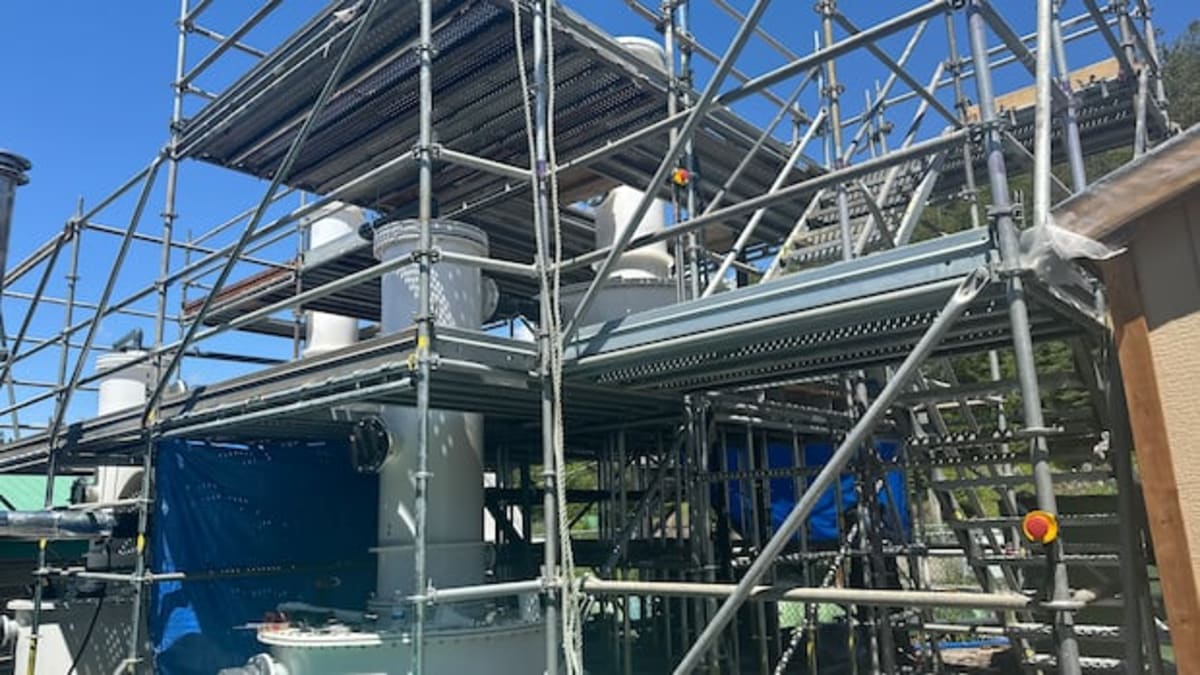
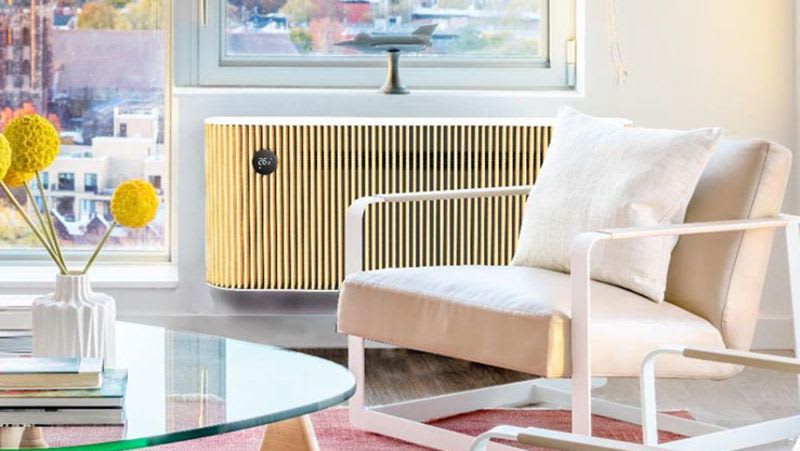
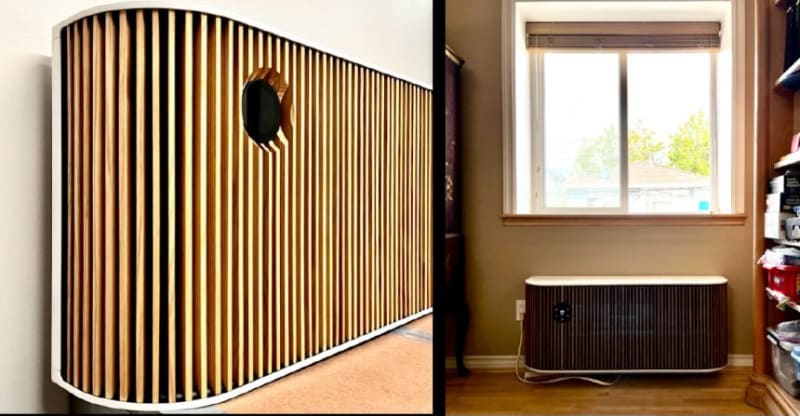
MIMiC's solution uses thermoelectric cooling, moving heat through electrons in solid materials like bismuth and tellurium instead of evaporating gases. The system has zero moving parts, meaning fewer replacements, less waste, and lower costs over time.
CEO Berardo Matalucci says the cooling industry has been risk-averse, sticking with old technology even as climate change drives air conditioning demand toward tripling by 2050. His team is experimenting with cheaper materials like silver and selenium to bring solid-state cooling into homes, offices, and hotels.
The technology isn't entirely new. Solid-state cooling was developed mid-century but remained confined to submarines and spacecraft where reliability mattered most. The challenge has been matching the energy efficiency of conventional units while keeping costs down.
The Ripple Effect
MIMiC is closing that gap fast. The company is targeting efficiencies comparable to today's air conditioners and expects to surpass them as materials improve. They've already installed pilot systems in Vancouver buildings.
The timing couldn't be better. While the traditional air conditioning market will grow to $308 billion by 2035, the solid-state cooling market is exploding faster, projected to jump from under $1 billion in 2024 to $4.55 billion by 2032.
Europe has already switched many cooling systems to propane refrigerants with lower climate impact, though flammability creates safety concerns. The U.S. has been slower to ban harmful refrigerants, making alternatives like MIMiC's even more crucial.
Cooling currently accounts for 10% of global electricity demand and represents the fastest-growing energy use in buildings worldwide. Solving that problem without greenhouse gas leaks could reshape our climate future while keeping people comfortable as temperatures rise.
Innovation is proving that staying cool doesn't have to cost the planet.
More Images


Based on reporting by Google News - Climate Solution
This story was written by BrightWire based on verified news reports.
Spread the positivity!
Share this good news with someone who needs it