Buenos Aires Tango Classes Help Parkinson's Patients Move
At a Buenos Aires hospital, Parkinson's patients are dancing the tango to improve balance, coordination, and mobility. The 15-year-old program uses Argentina's national dance to restore movement patterns the disease disrupts.
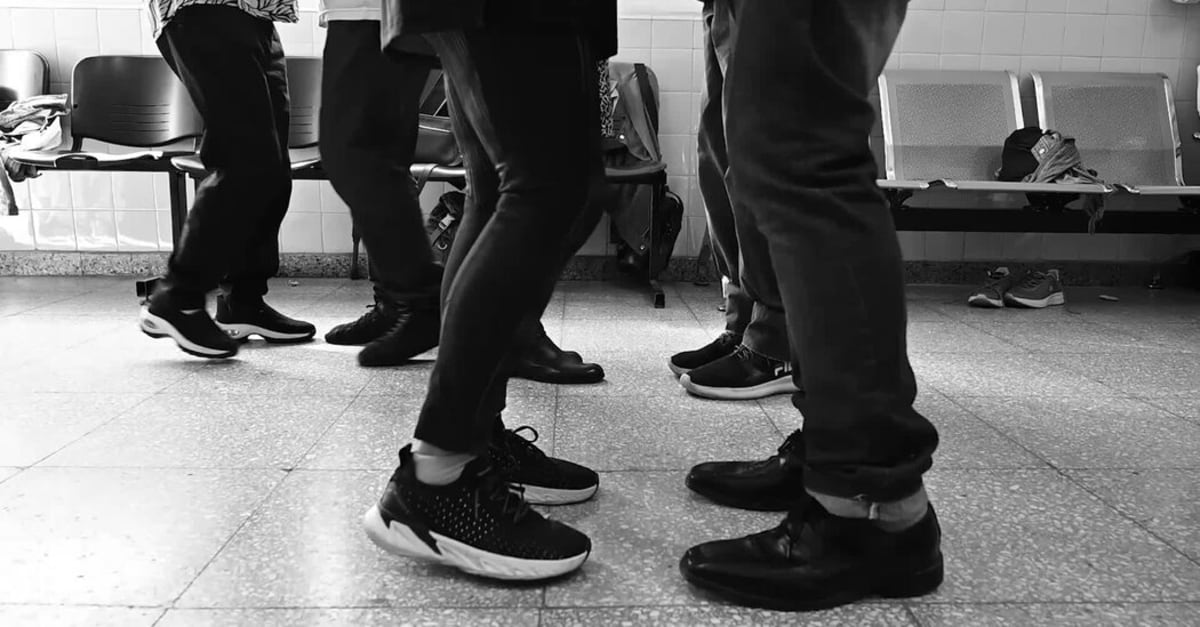
Every week at Ramos Mejía Hospital in Buenos Aires, something remarkable happens when the music starts. About a dozen Parkinson's patients practice tango steps that help them navigate everyday life, from opening refrigerators to stepping up on curbs.
The program began 15 years ago after doctors noticed something special. A patient who had danced tango since childhood found the movements helped her walk better and move more easily despite her diagnosis.
Dr. Nélida Garretto, a neurologist who helped start the sessions, realized tango's unique characteristics matched what Parkinson's patients needed most. The dance requires multitasking with movement, visual cues, and music, training the brain to coordinate the small movements that make up everyday activities.
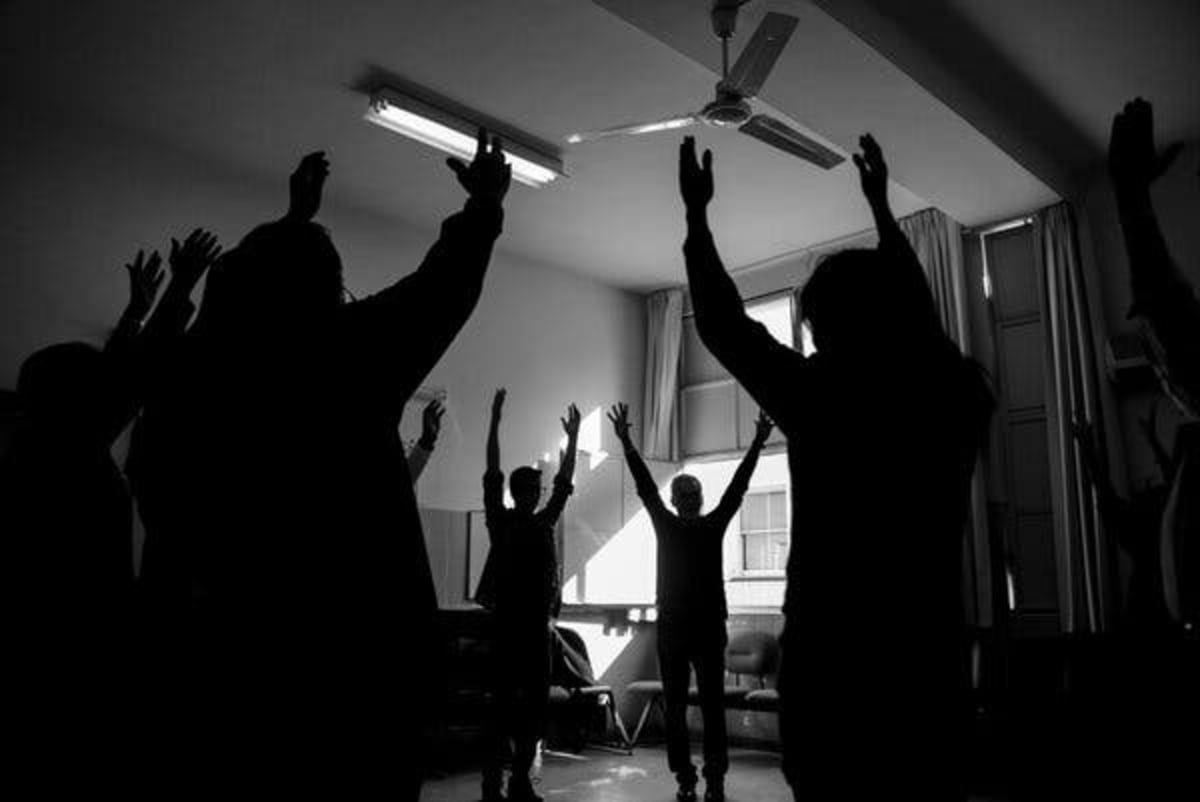
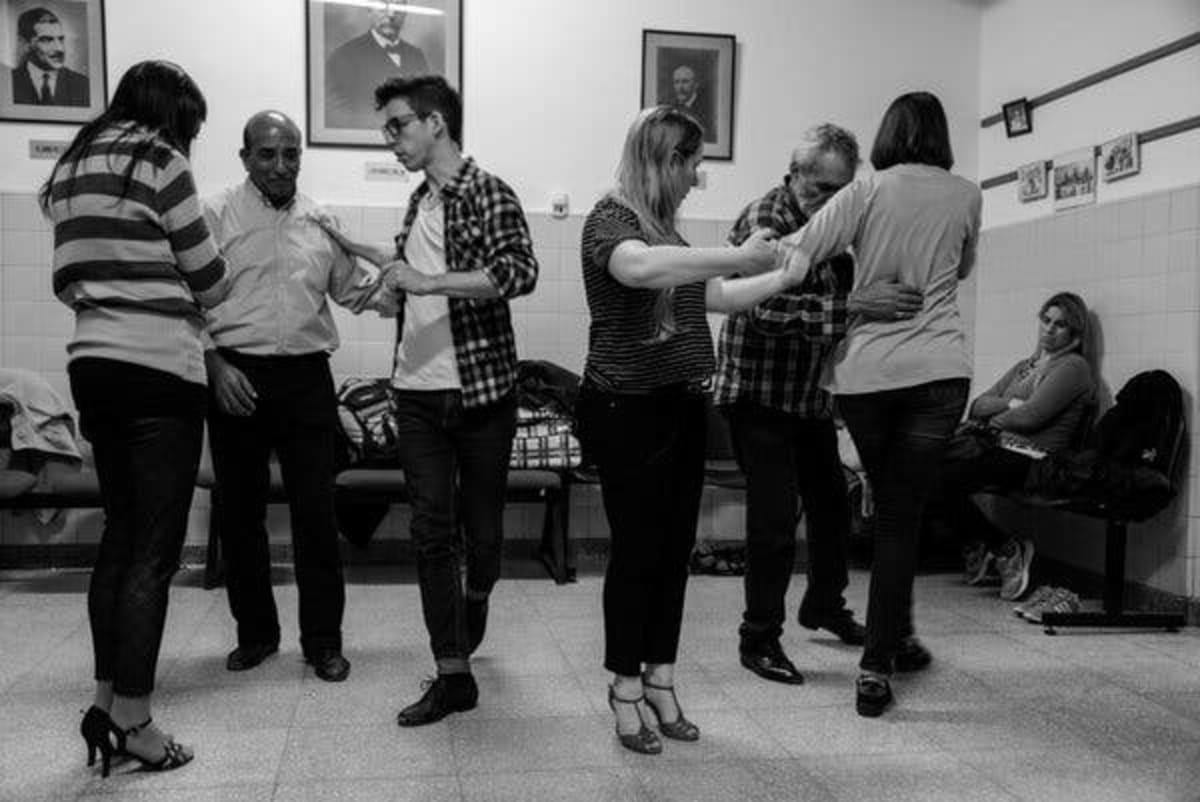
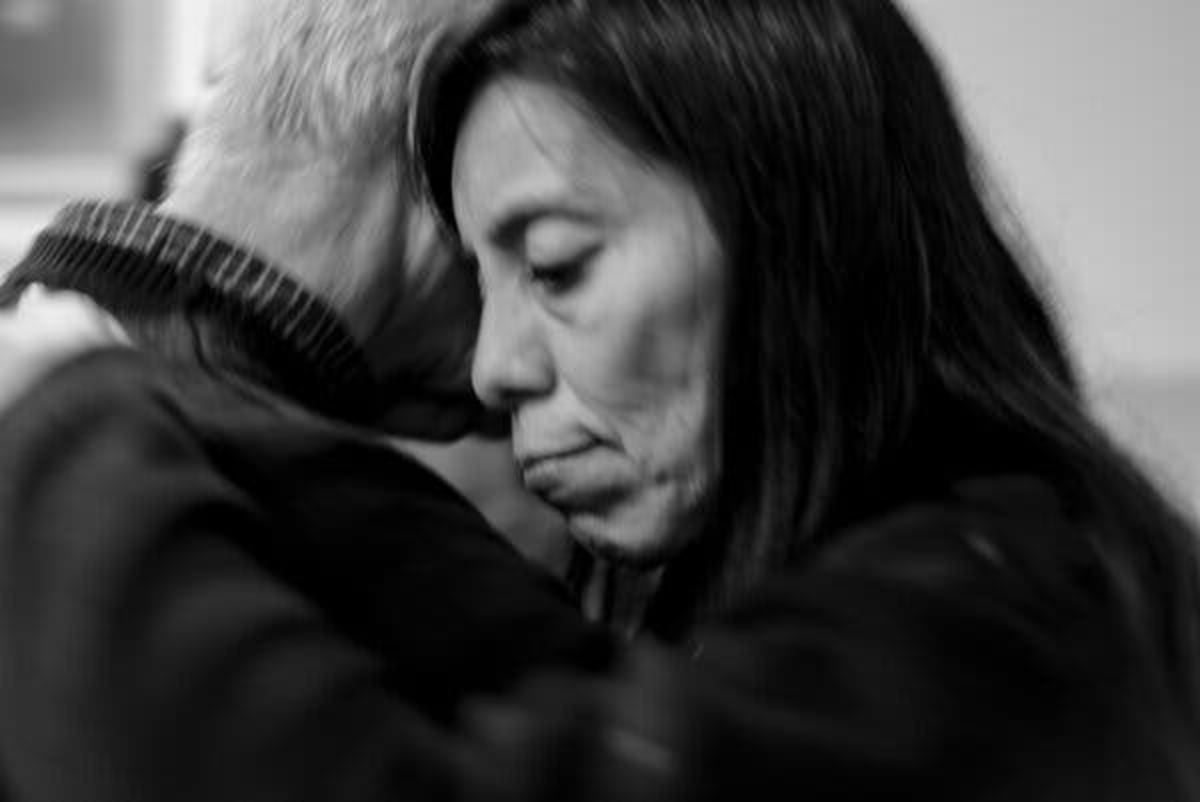
Professional tango dancer Manuel Firmani leads each class with warm-up exercises in a circle, preparing bodies that feel different each day. After working on posture and balance, patients pair up with partners who don't have Parkinson's, often friends, family members, or volunteers.
The dance steps themselves offer practical benefits. Walking backward in tango helps patients practice a direction they often struggle with. The sanguchito move, where one dancer's foot slides between their partner's feet and pauses, gives clear cues that guide uncertain bodies.
Firmani teaches patients to use tango's weight-shifting technique when stepping up on curbs or entering doorways. The sidestep helps with opening refrigerators, while torso rotation translates to pivoting while washing dishes.
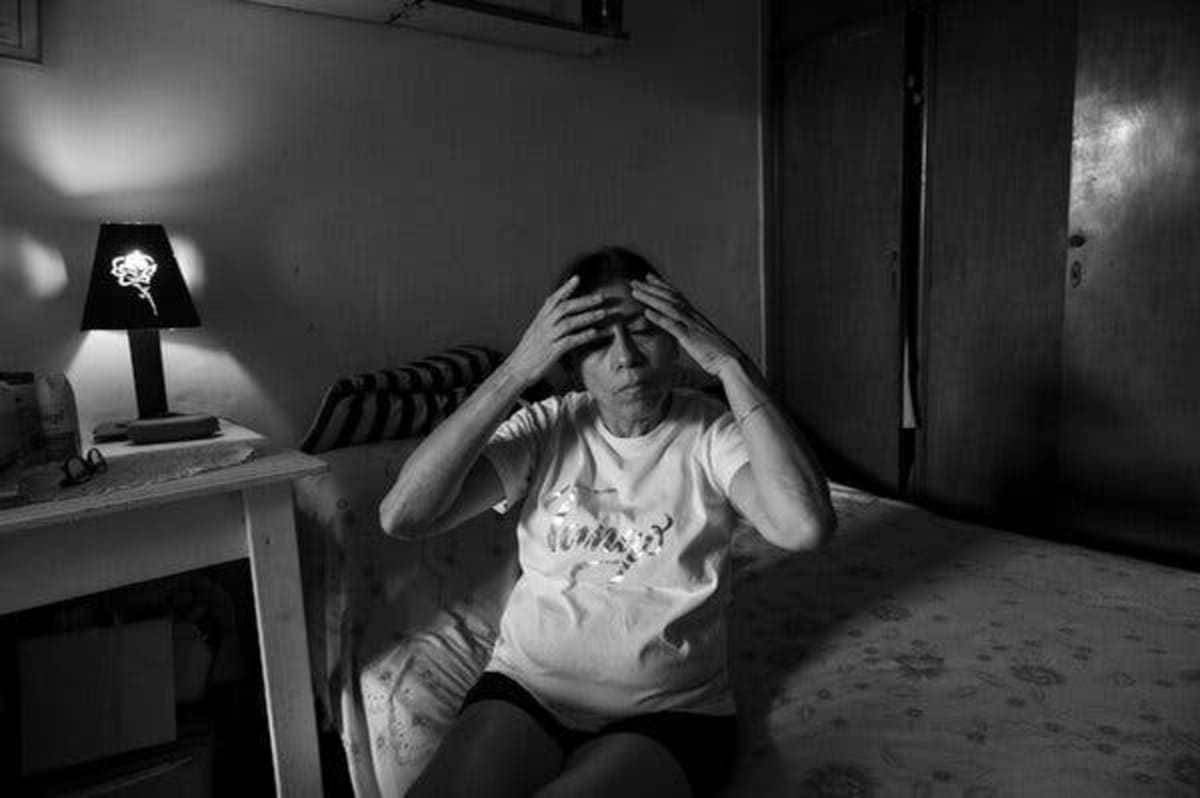
Liliana Garay, diagnosed 20 years ago at age 39, joined the program in 2011 with no dance experience. Now when stiffness sets in at home, she practices an eight-step tango movement, tracing the infinity symbol on the floor with her feet.
When she freezes while bending down, she breathes and moves her leg backward, sideways, and forward, just like in class. "That helps the stiffness pass, and I can walk again," she said.
Why This Inspires
The program has served about 100 patients over the years, with some gaining so much confidence they leave class without the canes they arrived with. Dr. Débora Rabinovich, a psychologist who helped create the program, explains that tango naturally uses the same movements Parkinson's tends to steal.
But the benefits go beyond physical therapy. "The class is an amazing place because they don't make you feel different," Garay said. "They demand the same from us."
For people whose bodies feel like strangers, the music and movement offer something precious: a chance to feel graceful, connected, and fully alive again.
More Images
Based on reporting by Google News - Health
This story was written by BrightWire based on verified news reports.
Spread the positivity!
Share this good news with someone who needs it