Buffalo March in NYC Celebrates Native-Led Restoration
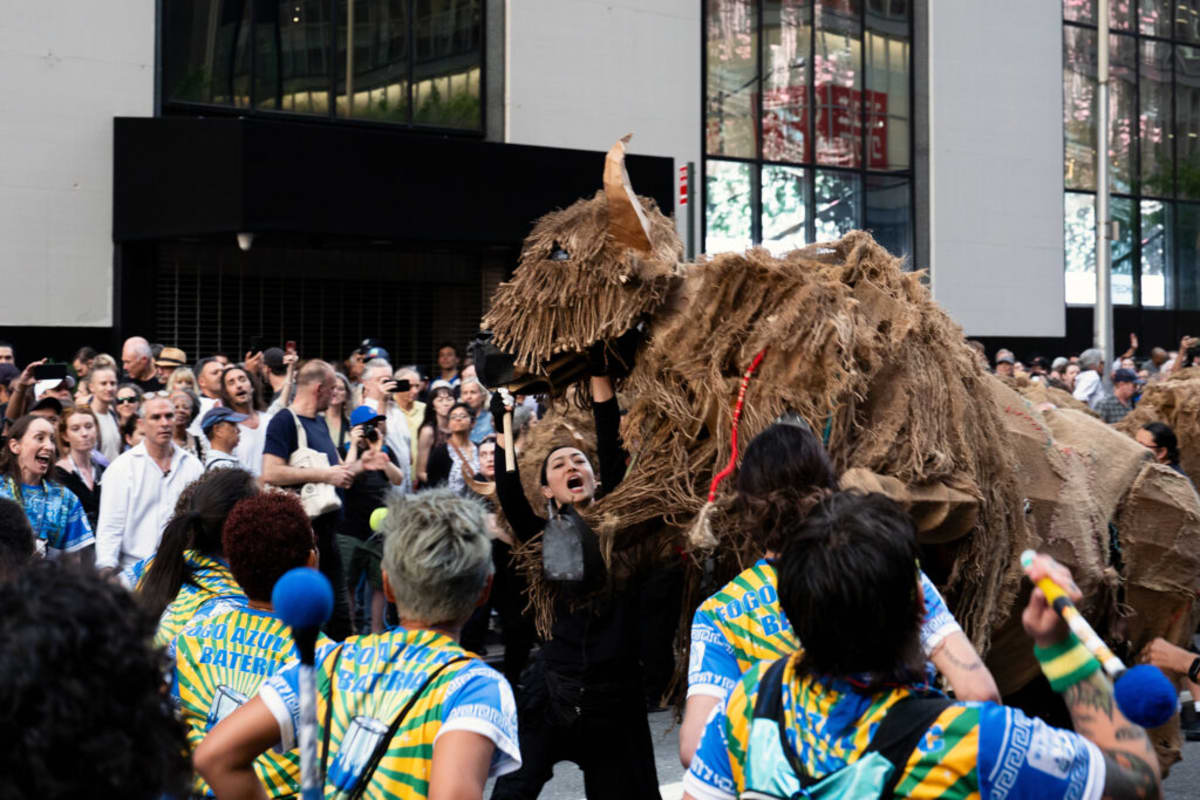
Forty life-sized bison puppets paraded through Manhattan to honor the creatures once slaughtered to near-extinction and celebrate the tribes bringing them back. Native leaders like Jason Baldes are growing herds across America despite political headwinds.
When Jason Baldes stood on Manhattan's High Line watching 40 life-sized buffalo puppets march through New York City, he saw more than art. He saw a symbol of what happens when communities refuse to give up on restoration.
The executive director of the Wind River Tribal Buffalo Initiative traveled from Wyoming for the city's first buffalo march. Native artists and performers joined the puppets to honor the American bison's spiritual and ecological importance to indigenous cultures.
American bison once numbered in the millions across North America. European colonists systematically slaughtered them in the 19th century, bringing the continent's largest land mammal to the brink of extinction.
For decades, Native tribes and conservation groups have been bringing them back. Buffalo restoration does more than preserve a species. Scientists have connected bison presence to increased biodiversity, healthier fire patterns, and better water retention in soils.
Baldes, an enrolled member of the Eastern Shoshone Tribe, brought 10 buffalo back to Wind River a decade ago. That herd is now approaching 200 animals.
The work hasn't been easy. Political battles over grazing permits and land access have threatened expansion efforts across the country. Baldes spends two-thirds of his time off the reservation fighting for buffalo restoration.
But the Wind River Tribal Buffalo Initiative is growing anyway. The organization is designing a $9 million expansion featuring a 14,000-square-foot headquarters with meat processing space and an ecotourism center for travelers heading to Yellowstone.
When Baldes feels burned out from the constant advocacy work, he knows where to go. He escapes to sit with the buffalo for a week, then returns re-energized.
The Ripple Effect
The buffalo march in Manhattan brought restoration stories to millions of city dwellers who might never see wild bison. By connecting urban audiences to Native-led conservation, events like this build support for continued expansion of herds across America.
Baldes sees parallels between New York's diversity and the diversity that once defined Native America. That collaborative spirit, he says, is exactly what the country needs to tackle big challenges like species restoration.
Ten years after starting with 10 animals, the Eastern Shoshone's herd proves that patient, determined work can reverse even centuries of damage.
Based on reporting by Inside Climate News
This story was written by BrightWire based on verified news reports.
Spread the positivity!
Share this good news with someone who needs it